
How to Host Thanksgiving: A First-Timer's Checklist and Timeline
A calm, step-by-step guide to hosting Thanksgiving for the first time: a planning timeline, menu and headcount tips, oven and small-space strategies, hosting a big crowd, a day-of schedule and a printable host checklist.
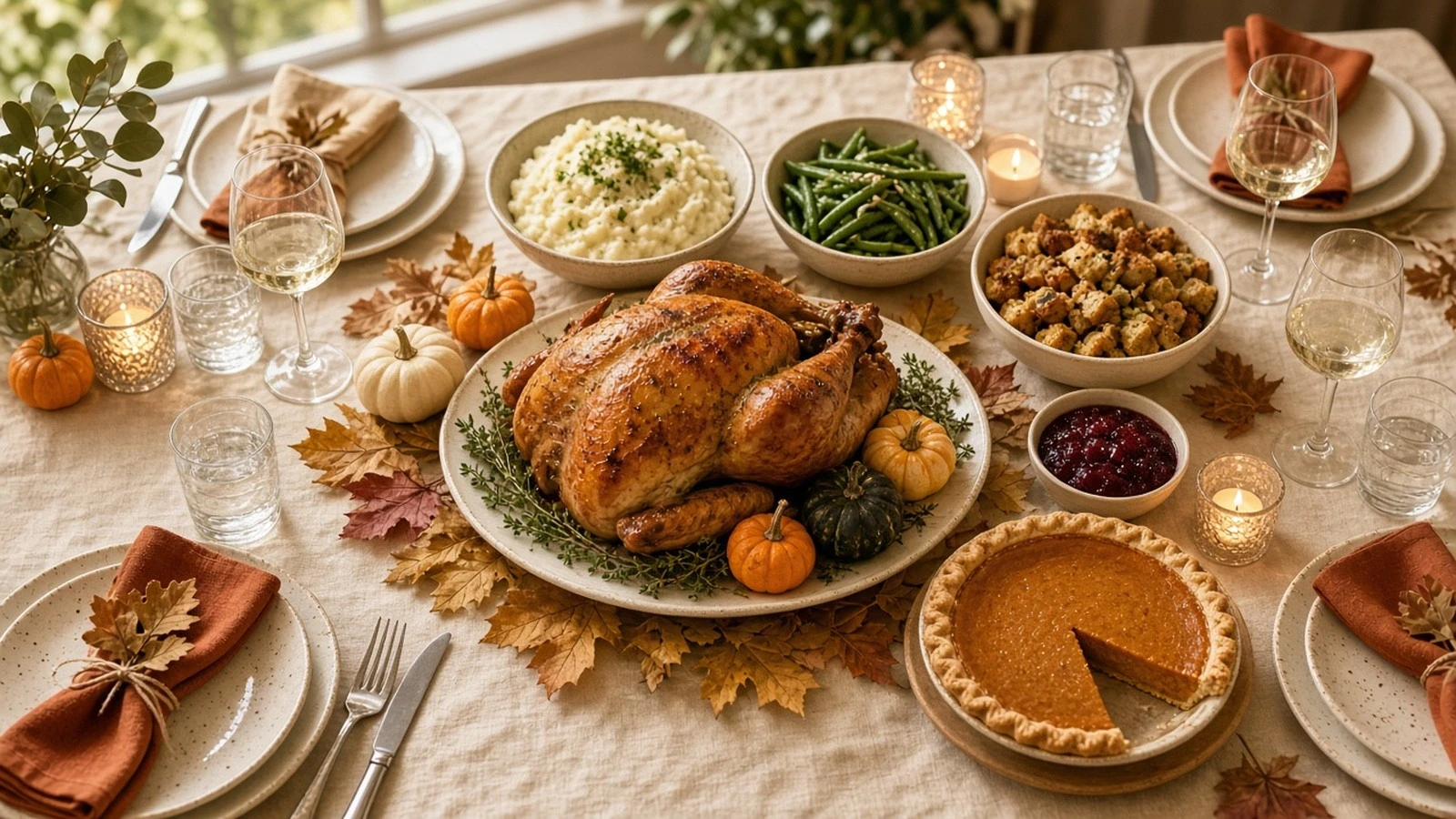
To host Thanksgiving: confirm your guest count early, plan a simple menu around the turkey, split dishes with guests, work out your oven schedule, shop and prep in stages over the week before, and set a realistic day-of timeline. Hosting your very first Thanksgiving dinner can feel intimidating, but taking it step by step turns a potentially stressful week into a celebratory, memorable feast. Whether you are opening up your home to immediate family, throwing a feast for twenty friends, or figuring out how to fit everyone into a small apartment, this comprehensive guide will walk you through every phase of planning, cooking, and hosting with confidence.
Starting with Your Guest List and Headcount
Before you buy a single ingredient or browse online for recipe inspiration, you need to know exactly who is pulling up a chair to your table. Locking in your guest list as early as possible gives you the foundation for everything else, from calculating how much food to buy to figuring out if you need to borrow extra folding chairs.
Start by getting your invitations out early (these Thanksgiving invitation wording examples can help you write yours). Thanksgiving falls during a busy travel season, and people appreciate having enough time to coordinate their plans. When you reach out to friends and family, be sure to ask clear questions right away:
Are they bringing a plus-one, spouse, or kids?
Do they or anyone in their party have specific dietary needs, food allergies, or lifestyle preferences (like vegetarian, vegan, or gluten-free)?
Would they like to bring a favorite side dish, dessert, or drink to share?
Keeping track of headcounts, allergies and dish sign-ups across text threads, phone calls and group chats can quickly turn into a headache. A simple fix is to make a Thanksgiving RSVP website with SnapRSVP and share it by link or QR code. Guests reply on their phones, there is no limit on how many can respond, and you can add your own RSVP questions, such as dietary needs, allergies or "Which dish would you like to bring?" Every answer lands in one guest list dashboard that you can export as a PDF or CSV, which makes it easy to see your final Thanksgiving dinner RSVP headcount and plan the menu around it. It is a one-time payment per RSVP website with no subscription, as shown on the pricing page: $19.99 for a website with a banner or portrait image at the top, or $29.99 for a video website with a looping video at the top.
Once you have your responses collected in one place, you can finalize your seating plan and start mapping out your grocery list with absolute clarity.
Your Master Thanksgiving Planning Timeline
The secret to a smooth, stress-free holiday is doing a little bit of work each day during the weeks leading up to the feast. Splitting your workload prevents the dreaded Thanksgiving morning scramble.
Three to Four Weeks Before
Finalize your master guest list and send out invitations with a clear RSVP deadline.
Decide on your menu, keeping traditional favorites while leaving room for make-ahead items.
Take inventory of your kitchen tools: roasting pan, meat thermometer, pie dishes, carving knife, and extra serving spoons.
Plan your seating arrangement and decide if you need to borrow tables, chairs, or extra dinnerware.
Two Weeks Before
Review your RSVPs to check for dietary restrictions and finalize your side dish assignments.
Order or reserve your turkey if you are purchasing a fresh bird or a specific size.
Draft your complete grocery list, dividing items into non-perishables and fresh ingredients.
Stock up on pantry staples, spices, canned goods, baking supplies, and frozen items.
The Week Before
Clear out your refrigerator and freezer to make room for the turkey, fresh produce, and prepped dishes.
Purchase your frozen turkey so it has plenty of time to thaw safely in the refrigerator.
Wash and press your table linens, napkins, and tablecloths.
Deep clean your main living spaces, kitchen, and host bathroom.
Two Days Before
Perform all your heavy prep work: wash, chop, and peel vegetables like onions, celery, and potatoes.
Make your cranberry sauce, salad dressings, and any cold appetizers, then store them in airtight containers.
Assemble casseroles, stuffing, and baked sides up to the point of baking, covering them tightly in the fridge.
Chill all beverages, including wine, cider, sparkling water, and beer.
The Day Before
Bake your pies, rolls, and any make-ahead desserts so your oven is free on Thanksgiving Day.
Set the dining table completely, including centerpieces, place settings, serving platters, and trivets.
Set up your drink station and coat rack area.
Prepare your turkey prep station so you are ready to roast early the next morning.
Thanksgiving Morning
Write a simple oven plan showing when each prepped casserole comes out of the fridge to be reheated.
Season, dress, and place your turkey in the oven based on your scheduled roast time.
Prepare your stovetop dishes, like gravy bases or mashed potato butter mixes.
Set out simple, low-effort appetizers and snack bowls so early arrivals do not starve while waiting.
The Hour Before Guests Arrive
Check the turkey with a meat thermometer and confirm when it should come out to rest.
Line up your make-ahead sides so they are ready to go into the oven as soon as the turkey comes out.
Light candles, turn on background music, and refresh the host bathroom with clean towels.
Put on your hosting outfit, take a deep breath, and pour yourself a drink.
Planning a Balanced, Manageable Menu
When learning how to host Thanksgiving dinner, the temptation is often to try half a dozen new, impressive recipes you found online. Resisting that urge is the best gift you can give yourself. Stick to classic, proven dishes that rely on familiar ingredients, and keep your menu focused on a manageable number of items.
Aim for one main protein (typically turkey), three to four side dishes, one fresh salad or green vegetable, a gravy, a cranberry sauce, and two desserts. When choosing recipes, select dishes that rely on different cooking methods. If every side dish needs the oven at the same time, you will hit a bottleneck in the afternoon. Instead, pair oven-baked casseroles with stovetop mashed potatoes, a cold green salad, and room-temperature appetizers.
Make-ahead dishes are your best friends. Cranberry sauce tastes even better when made a day or two in advance as the flavors meld together. Bread fillings, pie crusts, and sweet potato bases can all be constructed ahead of time.
If you have guests with special dietary needs, plan one or two hearty dishes that satisfy those requirements while still appealing to the entire table. For instance, a rich wild rice stuffing made with vegetable stock or a roasted squash dish can serve as a main for a vegetarian guest and a delicious side for everyone else. For proper sizing, avoid overcomplicating your math. Plan generously, check the turkey packaging or a trusted recipe guide for recommended portion sizes and roasting times based on weight, and remember that people love taking home extra food.
Turkey Basics for First-Time Hosts
The centerpiece of the table often causes the most anxiety, but roasting a turkey is actually quite simple if you handle the basics properly:
Thawing: Never attempt to thaw a frozen turkey on the kitchen counter at room temperature. Always thaw your turkey safely in the refrigerator, allowing plenty of days depending on the size of the bird. Keep it inside its original wrapper on a rimmed baking sheet on the bottom shelf of your fridge so juices do not drip onto other food.
Prep and Seasoning: Remove the giblets and neck from the cavity before roasting. Pat the skin completely dry with paper towels to ensure it turns golden and crispy. Season generously inside and out with salt, pepper, herbs, and butter or oil.
Monitoring: Rely on a digital meat thermometer rather than guesswork or pop-up timers. Insert the probe into the thickest part of the thigh without touching the bone. Follow standard food safety guidance to confirm the internal temperature reaches a safe level before removing the bird from heat.
Resting: Allow your turkey to rest on a cutting board tented loosely with foil before carving, as your recipe suggests. Resting lets the juices redistribute throughout the meat, keeping it tender and juicy while freeing up your oven to warm all of your side dishes.
How to Ask Guests to Bring Dishes Without Chaos
Allowing your guests to contribute is essential for a relaxed host. When people ask, "What can I bring?", take them up on the offer! Learning how to ask for dietary restrictions politely and coordinating contributions keeps your workload reasonable.
To avoid ending up with six pumpkin pies and no appetizer, assign specific categories to your guests based on what they enjoy making or buying. You can ask one family member to handle the bread rolls, another to bring a leafy salad, and another to supply beverages or ice.
Keeping one list of who is bringing what, and sharing updates with guests, helps everyone avoid doubling up on the same item. If you want to learn more about potluck organization, check out these guides on potluck etiquette and setting up a potluck party RSVP with dish signup.
Always confirm what each guest is bringing a few days before the event, and remind them to bring their dish in a ready-to-serve container along with any necessary serving spoons.
How to Host Thanksgiving with One Oven
One of the most common challenges for a first-time host is figuring out how to host Thanksgiving with one oven. You do not need a commercial kitchen to pull off a seamless meal; you just need to stagger your cooking times strategically:
Use Your Stovetop: Mashed potatoes, stovetop stuffing, sauteed green beans, glazed carrots, and gravy can all be cooked entirely on top of the stove, saving valuable oven space for roasting and baking.
Leaning on Slow Cookers and Countertop Appliances: Slow cookers, roaster ovens, and air fryers are fantastic supplemental tools. Use a slow cooker to keep mashed potatoes warm, melt mulled cider, or roast sweet potatoes.
Capitalize on the Turkey's Rest Time: The time while your turkey rests covered on the counter is your prime baking window. Turn your oven up, slide in your pre-assembled casseroles, stuffing, and rolls, and let them bake or heat through while you carve the turkey.
Serve Room-Temperature Sides: Not every dish needs to be piping hot. Shaved brussels sprout salads, cranberry sauce, roasted root vegetable platters, and grain salads taste fantastic at room temperature.
Hosting Thanksgiving in a Small House or Apartment
If you are figuring out how to host Thanksgiving in an apartment or a compact home, clever spatial planning makes all the difference:
Flexible Seating: You do not need a dining room table that seats twelve. Pull your kitchen table into the living room, rent or borrow foldable card tables, and mix matching chairs with bench seating or sturdy stools.
Opt for Buffet-Style Service: Family-style dining with heavy platters passed around a tight table can feel crowded. Set up your food on a kitchen island, counter, or side credenza so guests can walk through, serve themselves, and find a comfortable spot to sit.
Clear out the Entryway: Designate a specific bedroom or closet for coats, bags, and purses so your entry hallway remains clear of clutter as people arrive.
Separate the Drink Station: Set up drinks, glassware, ice, and bottles in a separate area away from the main kitchen work zone. This keeps guests out of your cooking space while allowing them to help themselves to beverages throughout the afternoon.
Hosting a Big Group of 20 or More People
When figuring out how to host Thanksgiving for 20 people or more, scaling up requires a slightly different approach:
Go Buffet Style: Set up a clear, one-way traffic flow around your serving station. Place plates at the beginning of the line, followed by mains, sides, rolls, napkins, and silverware at the end so guests do not have to carry cutlery while plating food.
Set Up Multiple Seating Zones: If everyone cannot fit around one central table, set up smaller seating clusters in the dining room, living area, or covered patio.
Delegate Responsibilities: Do not try to handle every task yourself. Appoint one friend to manage drinks, another to supervise the buffet line, and a family member to help clear plates after the meal.
Mix Disposable and Real Dishware: Washing dishes for twenty-plus guests takes a long time. Consider using high-quality, eco-friendly compostable paper plates for appetizers and desserts, while saving real ceramic plates for the main dinner.
If your crowd includes a mix of close friends and distant family members, check out this guide on how to host Friendsgiving for extra ideas on gathering large, casual groups.
Setting the Table and Creating a Cozy Atmosphere
Setting your space does not require expensive decorations or elaborate flower arrangements. Simple, thoughtful touches make your home feel welcoming:
Set the Table the Day Before: Put down your tablecloth or runner, arrange place mats, set out plates, flatware, and glasses, and position trivets where hot dishes will land. Doing this on Wednesday saves precious time on Thursday morning.
Keep Centerpieces Low: Choose low-profile arrangements like small pumpkins, eucalyptus garlands, or low candles so guests can easily talk across the table.
Lighting and Temperature: Soft lighting creates an instant cozy vibe. Turn down overhead lights and use warm lamps or unscented candles (scented candles can interfere with food aromas). Keep your thermostat slightly cooler than usual, as a house full of guests and an active oven will warm up the space quickly.
Background Music: Put together a relaxing playlist of acoustic tunes, jazz, or classic vocal tracks kept at a low volume to set a festive mood without drowning out conversation.
A Sample Day-Of Schedule
This sample schedule works backwards from your planned dinner time, so it fits whether you eat at midday or in the evening. Your turkey's cooking time sets the pace for everything else.
Early in the day: Work out your turkey's cooking time from its packaging or a trusted recipe, then count backwards from dinner so you know exactly when it goes in the oven. Double-check your table layout and set out serving platters with sticky notes showing which dish goes where.
When the turkey goes in: Season the turkey, place it in your prepared roasting pan and slide it into the preheated oven. Start your gravy base on the stovetop.
While the turkey roasts: Check its progress with a meat thermometer as your recipe suggests. Prepare cold appetizers, lay out snacks and set up the ice and drink station. Keep make-ahead sides in the fridge until it is time to reheat them.
As guests arrive: Greet them, take their coats, hand them a drink and point them to the snack station.
When the turkey is done: Once it reaches a safe internal temperature, take it out, tent it loosely with foil and let it rest on a cutting board. Use the free oven to bake or reheat your prepped side dishes, casseroles and rolls, following each recipe.
Just before dinner: Carve the rested turkey onto a serving platter, heat the gravy until hot, pour water at the table and light the candles. Move the side dishes into serving bowls and bring everything to the table or buffet line.
Dinner time: Invite everyone to take their seats or step up to the buffet, raise a glass for a short toast and enjoy your meal.
Hosting Tips for a Relaxed Day
Accept Help Gracefully: When a guest asks, "Can I do anything?", give them a clear, simple task. Let them pour water, open wine bottles, clear empty plates, or carry serving bowls to the table.
Plan Simple Activities for Kids: Keep younger guests entertained while adults chat by setting up a craft table with coloring sheets, crayons, or simple board games.
Stock Up on Leftover Containers: Take-away containers are essential for Thanksgiving. Buy cheap, stackable reusable containers in bulk so you can send guests home with extra turkey, stuffing, and pie without worrying about getting your good containers back.
Keep Conversation Friendly: Keep the table energy uplifting and inclusive. If you are looking for fun ways to keep everyone engaged, browse these dinner party conversation starters. You can also read our broader guide on how to plan a dinner party for general hosting tips.
Common Problems and Quick Fixes
Even with great preparation, unexpected issues can pop up. Here is how to handle them calmly:
The Turkey is Still Slightly Frozen on Thanksgiving Morning: Submerge the wrapped turkey completely in a sink filled with cold tap water, changing the water regularly and following food safety guidance until it is fully thawed. Never use warm or hot water.
A Side Dish Overcooks or Fails: Do not stress or apologize to the room. Toss out the ruined item, move on, and rely on the remaining dishes. With plenty of food on the table, no one will miss a single side dish.
Guests Arrive Late: Keep your hot sides covered in a warm oven or slow cooker and leave the resting turkey covered tightly with foil. Serve early arrivals drinks and appetizers while you adjust your timeline.
You Run Out of Oven Space: Use your stovetop to warm casseroles in covered skillets over low heat, or use a covered grill on your porch as an extra warming station.
A Guest Has an Unannounced Allergy: Keep a few simple, plain ingredients on hand, such as fresh fruit, plain roasted vegetables, or a simple green salad without dressing, so you can quickly offer a safe, thoughtful alternative.
Frequently Asked Questions
How do I host Thanksgiving for the first time?
Start by keeping your plan simple. Confirm your guest count early, choose a straightforward menu featuring classic recipes you have made before, and complete heavy prep work like vegetable chopping and pie baking during the two days leading up to the holiday.
How far in advance should I plan Thanksgiving?
Begin high-level planning three to four weeks in advance by sending out invitations and organizing your menu. Purchase non-perishable groceries two weeks ahead, buy your frozen turkey early enough to thaw fully in the fridge, and do your main cooking prep over the two days before dinner.
What should the host provide and what can guests bring?
The host typically supplies the main turkey, gravy, cranberry sauce, table settings, and main seating arrangements. Guests are usually happy to contribute side dishes, leafy green salads, appetizers, fresh rolls, wines, beers, or desserts.
How do you host Thanksgiving with one oven?
Roast your turkey early in the day and let it rest under foil. Use that resting window to bake all your prepped side dishes and casseroles. Additionally, make heavy use of stovetop recipes, slow cookers, and room-temperature sides.
How do you host Thanksgiving in a small space?
Serve food buffet-style from a kitchen counter or island rather than crowding the table with large serving platters. Borrow folding chairs and tables, create a separate drink area away from the kitchen, and use a bedroom closet to keep coat clutter out of your main entrance.
Is it okay to ask guests to bring a dish to Thanksgiving?
Yes, absolutely. Potluck-style Thanksgiving gatherings are common and appreciated by guests who want to share their favorite holiday foods. Assign specific categories or use an online RSVP dish sign-up sheet to ensure a well-balanced spread.
Thanksgiving Host Checklist
Confirm guest list, dietary needs, and dish sign-ups early.
Audit kitchen tools, roasting pan, meat thermometer, and serving platters.
Clean out refrigerator and freezer space.
Purchase turkey early and thaw safely in the fridge.
Shop for groceries using a categorized list.
Set the dining table and prep drink station the day before.
Perform heavy chopping, peeling, and dessert baking ahead of time.
Draft a backwards timeline relative to your target dinner hour.
Stock up on takeaway leftover containers for guests.
Turn on background music, light candles, and enjoy your feast.
Hosting Thanksgiving for the first time is a wonderful milestone, and with a little advance planning and a clear schedule, you will be able to relax and enjoy every moment around the table with the people who matter most.