
How to Host Friendsgiving: A Stress-Free Planning Guide
How to host Friendsgiving without the stress: pick a date, split the menu fairly, handle dietary needs, plan seating and timing, and keep the evening relaxed.
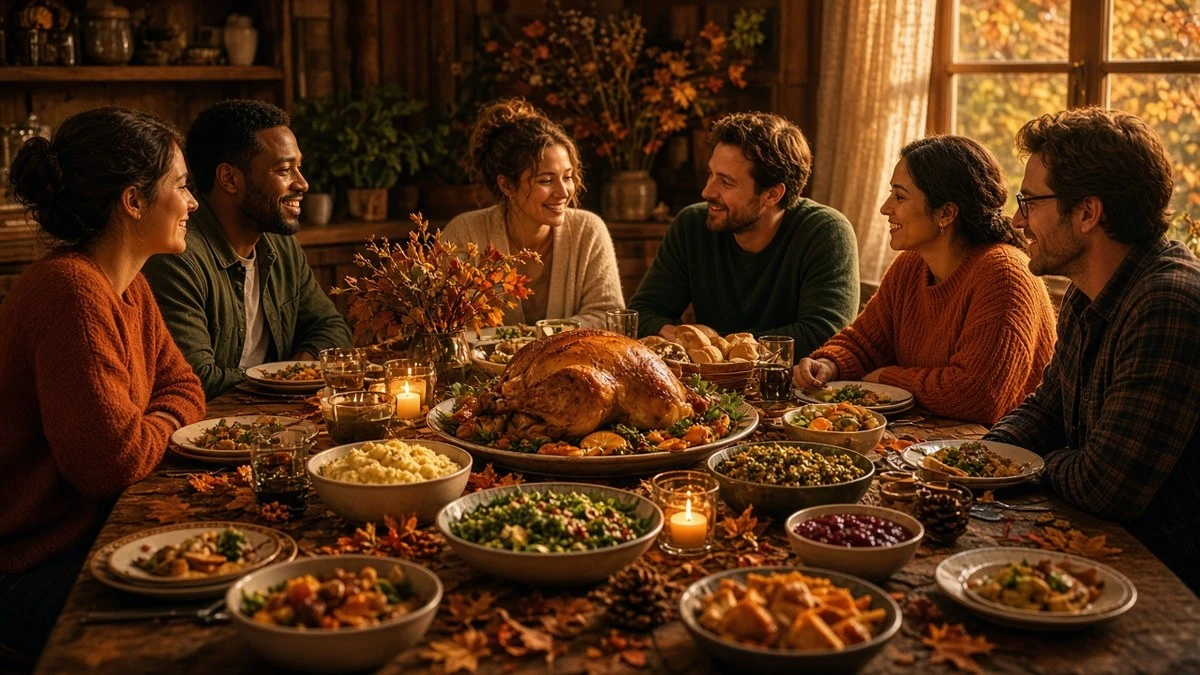
Friendsgiving has all the warmth of Thanksgiving with a lot less pressure. There is no family script to follow, no great-aunt who insists on the green bean casserole, and nobody expects a magazine-perfect table. Still, feeding a room full of friends takes some planning, and the hosts who enjoy the night most are the ones who made a handful of decisions early.
This guide walks through how to host Friendsgiving from the first message to the last slice of pie, with timelines, menu-splitting ideas, and wording you can copy.
1. Pick a date that does not fight real Thanksgiving
In 2026, US Thanksgiving falls on Thursday, November 26. Most friend groups scatter to family that week, so the most popular Friendsgiving dates are:
The Saturday before (November 21): the easiest weekend for most people, before travel starts
The Sunday before (November 22): good for a relaxed late lunch that ends early
The Saturday after (November 28): great for friends who stay in town and want a leftovers-themed night
Before you lock it in, float two options in your group chat and pick the one with the fewest conflicts. Then send a proper invitation at least three weeks ahead so people can plan around it.
2. Decide on the format: host-cooked, potluck, or hybrid
Most Friendsgivings land in one of three styles:
Host cooks everything: you control the menu, but the cost and the work are all yours. Best for small groups of six to eight.
Full potluck: everyone brings a dish. Cheap and communal, but you risk five bags of rolls and no vegetables.
Hybrid (most popular): the host handles the turkey or main, plus drinks and the table; guests sign up for sides, salads, and desserts.
If you go hybrid or potluck, assign categories instead of leaving it open. A potluck RSVP with a built-in dish sign-up lets guests claim "mashed potatoes" or "green salad" when they reply, so you can see the gaps at a glance.
3. Send an invitation that answers the obvious questions
A good Friendsgiving invite tells people the date, time, address, what to bring, whether partners or kids are welcome, and when to reply. Here is a simple version:
"Friendsgiving is on! Saturday, November 21 at 5 PM at our place. We have the turkey, drinks, and plates covered. Please RSVP by November 12 and pick a dish to bring from the list. Partners welcome, and tell us about any allergies so everyone has something to eat."
Collecting replies in one place beats scrolling through a group chat. Our guide to setting up a Friendsgiving RSVP page covers which questions to include and how to share the link.
4. Plan the menu around your headcount
Once replies come in, use the number of confirmed guests to size the food. A few rules of thumb for a sit-down feast:
Turkey: about 1 to 1.5 pounds of whole bird per person, which covers seconds and a few leftovers
Sides: plan four to six sides total, with roughly half a cup to a cup of each per guest
Rolls or bread: one and a half per person
Dessert: one pie serves eight; for twelve guests, two pies plus one other dessert is plenty
For a deeper breakdown by course, see our guide on how much food to plan per person.
A balanced sign-up list
For a group of twelve, a sign-up list might look like this:
2 x potato dishes (mashed, sweet potato)
2 x vegetable sides (roasted Brussels sprouts, green beans)
1 x stuffing
1 x salad
1 x cranberry sauce plus gravy
1 x rolls and butter
2 x desserts
1 x drinks or ice (great for friends who do not cook)
5. Handle dietary needs before the shopping starts
Friend groups often include a vegetarian, someone gluten-free, and at least one person with a nut allergy. Ask in the invitation, not on the day. A short optional field on the RSVP works well, and our article on how to ask about dietary restrictions politely has phrasing that does not feel intrusive.
Practical tips:
Make sure at least two sides are naturally vegetarian, and cook stuffing outside the bird so it can be meat-free
Ask potluck guests to bring a small card listing main ingredients (no names needed, just "contains nuts, dairy")
Keep one serving spoon per dish to avoid cross-contact
6. Set up the space the day before
Friendsgiving gets chaotic when everyone arrives with a hot dish and nowhere to put it. The day before:
Clear counter space and set out trivets for warm dishes
Make room in the fridge for salads and desserts
Count chairs and borrow folding ones if needed; a card table at the end of the main table is perfectly fine
Set the table, chill drinks, and put out a spot for coats
Prep anything that reheats well, such as cranberry sauce, gravy base, and pie
7. Map out the timing
A simple run of show keeps the turkey from going cold while you wait for late arrivals:
5:00 PM: guests arrive, snacks and drinks out
5:45 PM: turkey rests, potluck dishes go into a warm oven if needed
6:15 PM: dinner is served buffet-style from the kitchen
7:30 PM: break for games, a gratitude round, or a walk
8:00 PM: dessert and coffee
Tell guests in a reminder message that dinner is at 6:15 so they know arriving at 7 means missing the main event.
8. Keep traditions light and optional
Part of the appeal of Friendsgiving is inventing your own traditions. A few that work without making anyone uncomfortable:
A quick "one good thing from this year" round at the table, with a pass option
A pie contest where everyone votes with a bean in a jar
A group photo before anyone eats
Take-home containers so leftovers do not overwhelm your fridge
9. Send a reminder and a thank-you
Three days before, send a short reminder with the address, the start time, and the dish each person signed up for. After the dinner, a quick thank-you message in the group chat with a photo goes a long way, and it makes next year's invitation an easy yes.
Friendsgiving host checklist
Choose a date and send invitations three weeks out
Decide host-cooked, potluck, or hybrid
Collect RSVPs, dish choices, and dietary needs in one place
Size the turkey and sides to the confirmed count
Prep the space and make-ahead dishes the day before
Share the timeline and send a reminder
Enjoy it, and send thanks afterward
Ready to get replies flowing? Create a free Friendsgiving RSVP page with a dish sign-up and a dietary question, then share one link with your group.