
How to Ask for Dietary Restrictions Politely on an RSVP
Ask guests about dietary restrictions on an RSVP with respectful, useful wording that separates allergies from preferences and helps you plan a safe, inclusive menu.
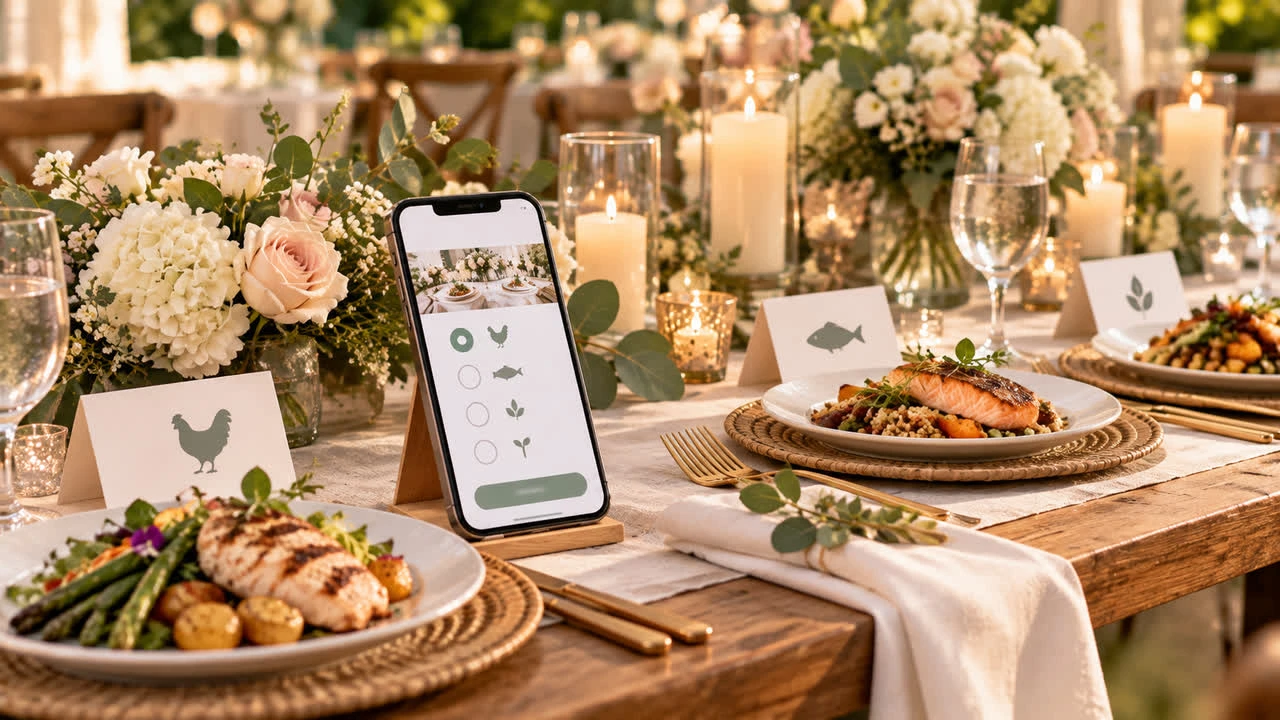
Asking about dietary restrictions is good hosting, but the wording matters. A vague “Any special requests?” can make a guest wonder whether an allergy will be taken seriously. A long medical questionnaire can feel intrusive. The best RSVP question is brief, neutral, and specific about what you will do with the answer. It gives guests a safe way to tell you about allergies, religious requirements, medical diets, preferences, or other meal needs without making them justify their choices.
Use “dietary restrictions” and explain why you ask
A clear question can say: “Do you or anyone in your party have a food allergy, dietary restriction, or meal preference we should plan for?” Add a short note: “Please include the ingredient or food to avoid so we can share accurate information with the caterer.” This wording welcomes different needs without assuming that every restriction is a medical condition.
If your kitchen or caterer cannot guarantee an allergen-free meal, say so honestly. For example: “We will share responses with the caterer, but the venue prepares food in a shared kitchen and cannot guarantee the absence of cross-contact.” A truthful limitation is more useful than a reassuring promise you cannot keep.
Separate allergies from preferences when it helps
For a simple buffet, one open text field may be enough. For a plated dinner with fixed choices, separate fields reduce confusion:
Meal selection: chicken, fish, vegetarian, or other offered option.
Food allergy or ingredient to avoid: please specify.
Dietary pattern or preference: vegetarian, vegan, halal, kosher, gluten-free, or other.
Additional details for the caterer: optional.
Do not force guests to choose a label that does not fit. Include “other” and a text field. An allergy should not be hidden inside a general preference list, and a preference should not be treated as less worthy of a courteous response. Ask for the minimum detail needed to prepare or communicate the meal.
Invite useful detail without requesting medical history
You do not need a diagnosis, medication list, or explanation of a guest’s health. Ask what food or ingredient must be avoided and whether cross-contact is a concern when that affects the caterer’s plan. A guest might write “peanuts; severe allergy” or “no pork; vegetarian is fine.” Respect the answer and let the guest decide how much to share.
If a guest writes something unclear, follow up privately and politely. “Thank you for letting us know. To help the caterer, is the restriction an ingredient to avoid, a preference, or a cross-contact concern?” is better than guessing. Do not discuss someone’s dietary information in a group chat or at the dinner table.
Make the question easy to answer for a group
If one person is responding for a household or party, ask them to list the name and need for each guest. A single “gluten-free” answer is not useful if you do not know who it applies to. Use a repeatable format such as “Jordan — vegetarian; Casey — no shellfish.” If the form cannot collect each person separately, provide clear instructions in the field label.
Include a “no dietary restrictions” answer so guests do not feel they have failed to provide information. Make the field optional only if you have another reliable way to confirm meals. The wedding RSVP meal and allergy questions guide shows how meal and allergy details can be organized without turning the RSVP into a complicated survey.
Explain how the information will be used
A short privacy note builds trust: “We will share meal information with the host and caterer only, so we can plan your food.” Keep the response list restricted to people who need it. Do not publish dietary notes on a seating chart that guests can read, and do not use them as conversation starters. If the event is at a workplace, follow the organization’s privacy and accessibility practices; the office party RSVP etiquette guide offers broader guidance for respectful workplace responses.
Follow through before and during the event
Collecting a restriction is only the first step. Send the final list to the caterer by the agreed deadline, confirm that the requested option is available, and tell guests where to find their meal when they arrive. Label dishes accurately, keep serving utensils separate when required, and make it easy to speak with a host privately. If you cannot safely accommodate a need, tell the guest in advance and discuss realistic alternatives.
Never single out a guest by announcing their allergy or presenting a substitute meal as a favor. A quiet check-in and a clearly labeled option are more respectful. If the menu changes, contact affected guests rather than assuming a replacement is safe.
Polite RSVP wording examples
“Please tell us about any allergies or dietary restrictions so we can plan your meal.”
“Do you have a food allergy, dietary requirement, or preference? Please specify the ingredient or meal need.”
“Vegetarian, vegan, halal, kosher, and allergy-friendly options may be available. Let us know what you need by the RSVP deadline.”
“No special meal needed” is also a helpful response.
A practical checklist for hosts
Choose wording that welcomes allergies, restrictions, and preferences.
Ask for the food to avoid and the person it applies to, not medical history.
Offer labels and an “other” field without forcing a category.
Tell guests what the caterer can and cannot guarantee.
Limit access to dietary information and share it before the food deadline.
Confirm options and communicate any changes privately.
A considerate dietary question tells guests that their comfort and safety matter. Keep it plain, give people control over what they disclose, and build a real plan behind the form. With the SnapRSVP event page creator, you can place the question alongside attendance and event details so guests can answer once and hosts can plan from one dependable list.