
Wool Spinning Workshop RSVP Website: Fiber Counts, a Wheel Cap, and a Ply Line
A wool spinning workshop RSVP has to lock a fiber bump and a wheel place before the first draft, because a maybe does not hold a counted roving or a seat at a wheel.
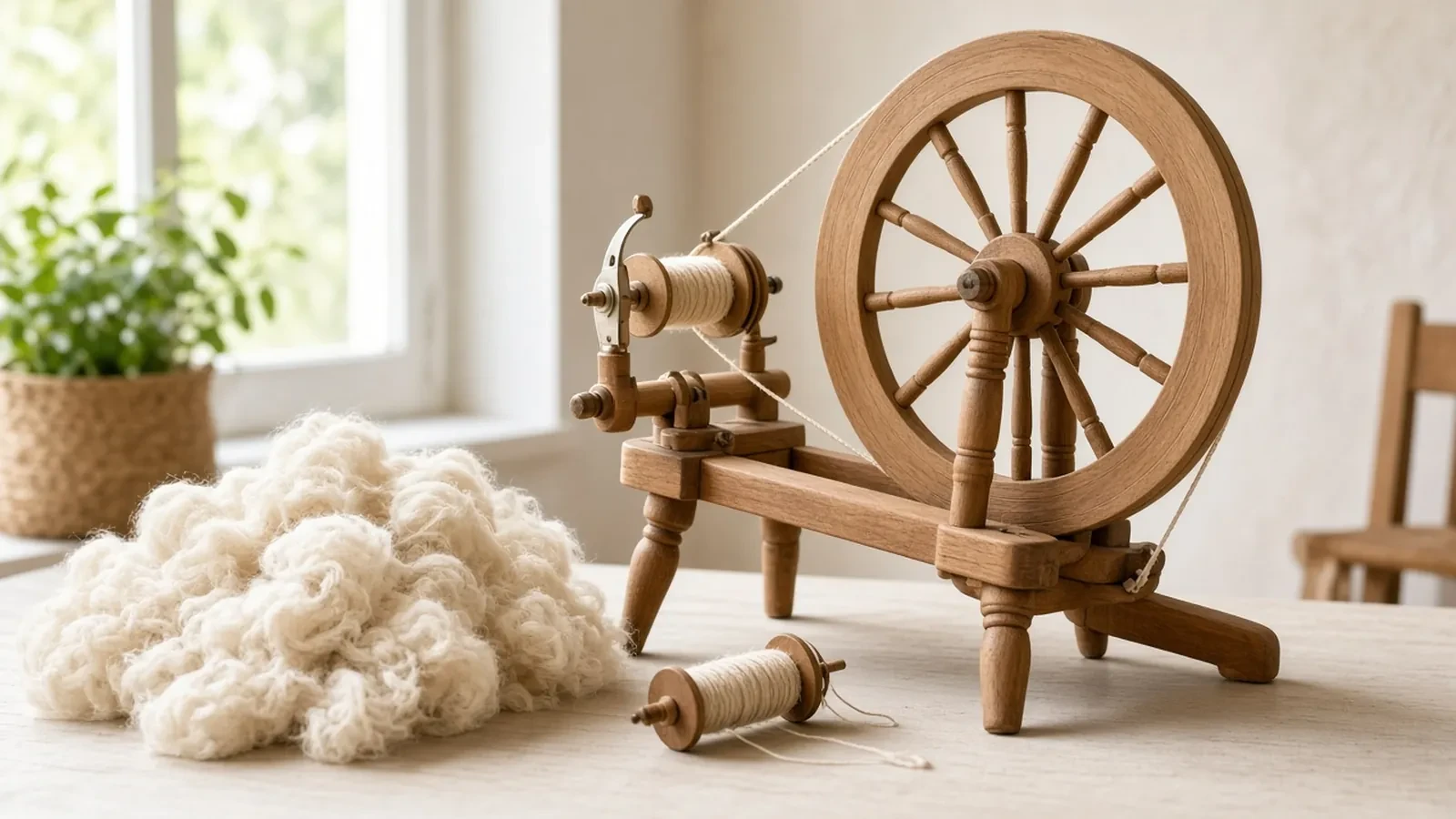
A wool spinning workshop breaks when the host portioned fiber for eight wheels, set eight seats, and fourteen people answer yes after the first draft has started. Fiber, a wheel or a spindle, and a seat with room to treadle are decided before anyone pulls a strand. The host does not open a second bag of roving or promise a skein that has no wheel time left because a friend decided to come after the list closed. This is spinning wool into yarn, not weaving, not knitting, not felting, and not crochet. A maybe does not hold a wheel.
You can create a wool spinning workshop RSVP that counts fiber, records access needs, and closes when the wheel cap is reached.
Count fiber, wheels, and draft time
Count the fiber before you send the invitation. A spinner needs a named bump or a weighed nest of wool, not a fleece in a sack that nobody has carded. If one student drafts and plies a small skein from four ounces, eight labeled portions is the material count. Prepared roving and a raw fleece are not the same class. A late guest does not get “pull some off the end,†because the end was measured for the people who already have a wheel. Fiber that was split the night before is ready. An unwashed fleece is a different week of work.
Count the tools that make yarn. Wheels with a working flyer and bobbin, or spindles with a hook and a shaft that spins, lazy kates or a spare bobbin for plying, and a pair of hands that can draft are the limit. Six wheels do not become ten because you own four drop spindles you did not plan to teach. People can look at a wheel, but each student still needs a named portion and a tool that is not passed every few minutes. A student with wool and no wheel watches the class and leaves with the same fiber they arrived holding.
Fiber portions by weight, and whether the wool is already prepared to draft
Wheels or spindles that work, including a spare drive band or hook
Bobbins for a single and a plan for the ply
Chairs and floor space so a treadle does not hit the next wheel
Oil, a small tool kit, and a niddy-noddy or swift if you expect a skein before people leave
A spinning place is one named student with fiber, a wheel or spindle, and a seat. A guest who wants to watch the first draft is not a student. Someone who expects to leave with yarn needs a place at a wheel. Ask who is spinning, who is only accompanying, and whether a late student will accept a spindle if a wheel does not open. Students stay inside the fiber you portioned and the tools you can keep in tune. They do not start a new bump because the closet still has wool in it.
The wheel cap and the ply line
Eight wheels and eight portions is a cap only if the session length, the bobbins, and the floor agree. If the room fits six treadles without crossed feet, the cap is six, not eight. The smallest real constraint wins. Set a capacity limit for spinners, not for every person who might stand behind a wheel and chat. When the last wheel is claimed, the form should say the wool spinning workshop is full. If the fiber is already weighed and the wheels are oiled, a late guest is not an unplanned spinner.
The ply line is the end of the workshop. Name it: the single is drafted or the student has a clear stopping point, the ply is finished or parked on a bobbin with a name, the wheel is still, and the fiber is bagged. A clear ply line stops the class from becoming an extra hour of borrowed wheels and unlabeled wool. A tuft left on the bench is not a promise to a guest who arrives during cleanup. It is still a tool someone else is responsible for, and it is not a new seat.
Access and arrival fit a wheel
Spinning means sitting, treadling, and drafting with both hands for a long stretch. That is a real barrier, not a detail for the day of class. Collect accessibility needs on the RSVP before you assign wheels. Ask whether someone needs a chair height they already use, a wheel they can treadle with one foot, a double drive they should avoid, or extra time because hand pain makes a long draft hard. If you can set one station with a supportive chair and room to stand and stretch, say how many of those stations exist. If every wheel is a low treadle with no other option, say that too, so a guest can decline instead of discovering the setup at the door. Do not assign a portion that looks open on paper if that person cannot finish a draft before the ply line.
Use arrival time windows on the RSVP because fiber is portioned and wheels are tensioned for the people who are coming, not held flexible for an hour. The first window is names on portions, a short look at the orifice, and a check that the brake or drive is set. The start window is when the drafting begins. A student who misses the start can keep a later pace only if their fiber is still on the bench and a wheel is still theirs. They do not get a new bump from the cupboard. Put the host’s phone on the page so a delay is a message, not a guess.
The moment the fiber list is locked
Tie the deadline to the prep. If the wool has to be weighed and the wheels moved the night before a Saturday workshop, Friday is your lock. After that, a late yes is a call about a cancellation, not a promise of a wheel. Standbys can wait, and you tell them they do not have fiber until you write back. A maybe does not hold a portioned bump.
The meeting point is the studio door, the check-in time, and the wheel row you named, not “come by anytime and we will be spinning.†You match names to spinners, fiber weight, wheel or spindle, access notes, the wheel cap, the ply line, and a phone. Export the list the morning you lock: attending or not, portion, wheel, access note, arrival window, and phone.
A wool spinning workshop RSVP is finished when every portion of fiber has a named wheel, the ply line is the last still flyer rather than an open bag of wool, and a late guest knows whether they are spinning, watching from a clear corner, or waiting for a cancellation.