
Wood Turning Workshop RSVP Website: Blank Counts, a Lathe Cap, and a Tool Line
A wood turning workshop RSVP has to lock a blank and a lathe before the first cut, because a maybe does not hold a lathe.
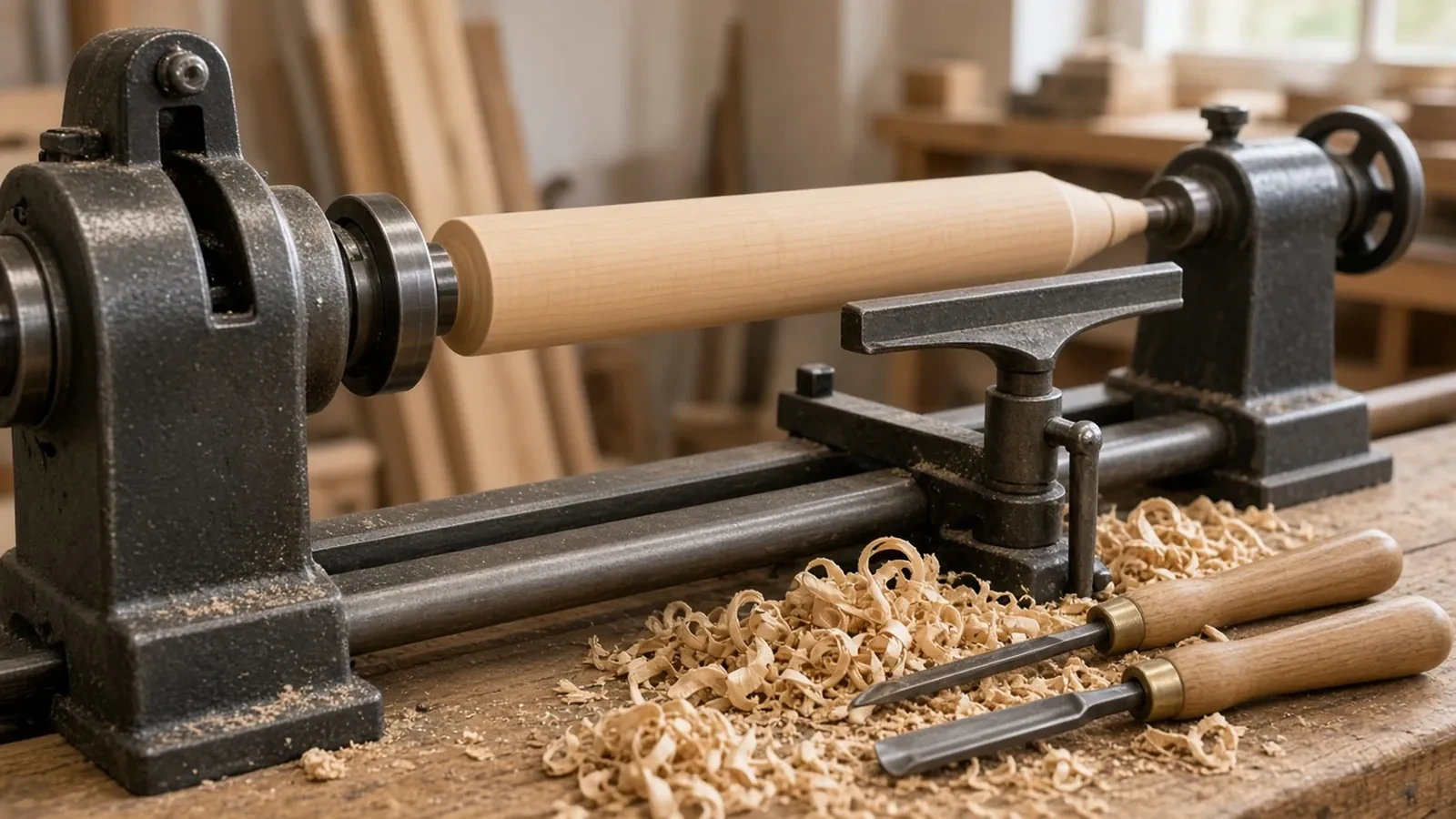
A wood turning workshop breaks when the shop powered four lathes and six people are waiting with a blank, or when someone who said maybe arrives after the gouges are set and expects a machine that is already spinning. Blanks, the lathe each person gets, and the tools on the rack are set before the first cut. The shop does not mount another blank because a friend decided to come after the lumber order closed. A maybe does not hold a lathe.
You can create a wood turning workshop RSVP that fills the lathes the shop will run for your group, records who can stand at a spinning blank, and stops when those lathes are full.
Ask what the shop will actually turn
Call the shop before you send the link. Write down how many lathes they will power for your block, how long the block is, whether each person keeps one lathe the whole time or takes a timed turn, what blank is included, and which tools are on the rack. If they will run four lathes for three hours, with one hard-maple bowl blank per person, 6 inches across and 2 inches thick, plus a roughing gouge, a bowl gouge, and a parting tool, those numbers are your cap.
A lathe is one person turning. Ask whether a friend who will not turn can stand in the shop, and whether that person still counts toward the room limit the insurer set. Pick one rule and write it on the page.
Ask the price, whether a faceshield is included or must be brought, and the last time you can cut the count without paying for blanks the shop already cut. If they charge for a no-show after that time, print that rule on the page. Write the finish, one coat of food-safe oil, so a second bowl is not assumed.
Set a capacity limit on people who will turn, not on everyone who was invited. When the last lathe is taken, the form should say the block is full. If the shop has already sized the four blanks, a late friend is not in this block.
The tool line is a list, not a wish
Ask the instructor which tools a beginner may use and which stay in the drawer. Put that list on the page in plain words. Each person confirms they will use only those tools. A skew chisel the instructor will not hand to a first-day turner should not appear on the form as a request. If the shop runs a separate block for people who already turn, that is a second list with its own lathe cap. Do not mix the two and sort it out when the tool rest is already set.
People who want a spindle, a different species, or their own tools should not take a beginner lathe. You need a yes to this blank and these three tools before the shop cuts the wood. Write the species and the size next to the question.
Standing, dust, and a faceshield that stays down
Turning means standing at the lathe for the block, with the faceshield down, sleeves tight, and no gloves. Ask about access needs the shop can actually meet: a lathe they can set for someone who cannot stand the full three hours, if they have one, or a chair behind the chip line. If every lathe requires standing and there is no seated setup, say that on the page before anyone claims a machine.
Closed-toe shoes and hair tied back are part of the same yes. A person who will not wear the shield does not get a lathe. Ask the shop's age minimum and write it next to the question. A younger guest does not share a parent's lathe. The shop staffs one person per machine because two pairs of hands on one spinning blank is how a tool leaves the rest.
Collect an arrival window that matches the block, not a vague morning. The window might be 9:40 to 9:50 for a 10:00 start. Write the clock time and what happens if someone is later than that: the lathe goes to a standby who is already in the shop, or it sits idle and the late person does not turn.
The moment the blank list is locked
The meeting point is the shop door the instructor named. Put the host's phone on the page for the person holding the bench reservation. A screenshot of the invite is not a lathe assignment. The instructor matches names to the four blanks on the bench.
If you allow a guest, that person needs their own lathe line, their own tool-line answer, and their own arrival window. Track them as a separate yes. One form that hides an extra turner will blow the shop's cap and the blank count. Say that on the page. A partner who touches a tool is a second lathe. Write that next to the guest question.
Tie your RSVP deadline to the shop's final count, the day they cut blanks and will not take the wood back. A common lock is five days before the block. After that, a late yes is a call about a cancellation, not a promise of another lathe. If you want names ready when someone drops, keep them as standbys and tell them they do not have a blank until you write back. A maybe does not hold a lathe.
Export the list the morning you lock: attending or not, blank size, tool line, party size, arrival window, access note the shop agreed to, and phone. A wood turning RSVP is finished when every lathe has a named person, the blank matches a size the shop already cut, and a late car knows whether they are turning or going home.