
Trunk-or-Treat RSVP Website: Cars, Candy, and Family Headcount
Plan a trunk-or-treat with one RSVP: recruit decorated-trunk hosts, set candy and volunteer slots, collect family headcounts, and keep the parking lot flowing.
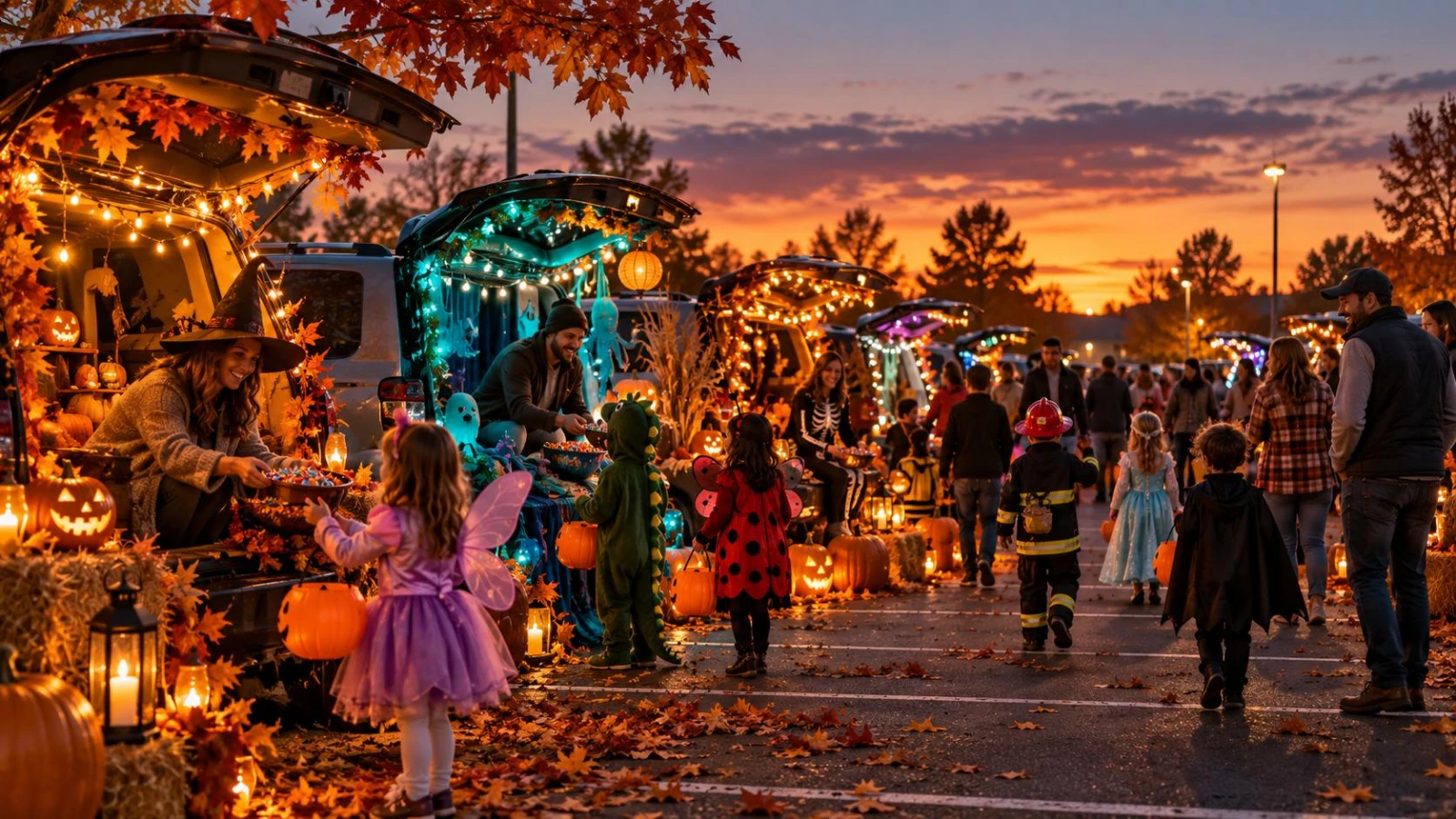
Trunk-or-treat turns a parking lot into a kid-friendly Halloween trail: decorated car trunks, candy handouts, and families walking a safe loop instead of door-to-door. Churches, schools, PTOs, HOAs, and neighborhoods love it—but the logistics stack up fast. You need enough decorated trunks, enough candy, enough volunteers for parking and check-in, and a realistic guess at how many costumed kids will show up.
An online RSVP (or paired RSVP + trunk signup) keeps hosts, volunteers, and attending families in one place so you are not chasing group-chat screenshots the week before. This guide covers what to collect, how to set capacity, and how to turn replies into a parking-lot plan.
Who needs to reply (hint: three audiences)
Trunk-or-treat is not one guest list. Treat it as three overlapping signup streams:
Trunk hosts — people who will park, decorate, and hand out candy
Event volunteers — setup, check-in, parking/traffic, candy runners, cleanup
Attending families — kids and adults walking the route
You can use one RSVP page with a “role” question, or three short links that all feed the same event night. Separate streams make reminders clearer: trunk hosts get arrival and candy guidance; families get costume and parking notes.
When to open signups
6–8 weeks out: lock the date, lot layout idea, and rain plan
4–5 weeks out: open trunk-host signup (hosts need time for themes and candy)
3 weeks out: open family RSVPs and candy/teal-pumpkin donations
10–14 days out: close trunk slots so you can assign parking positions
Final week: send role-specific reminders with arrival times
If your lot only fits a fixed number of cars, set that cap early. Our guide on how to set RSVP capacity limits shows how to stop acceptances once spots are full and, if you want, collect a waitlist.
What to ask trunk hosts
Name and mobile number for day-of texting
Vehicle type (sedan, SUV, minivan, truck)—trunk size changes decoration space
Decoration theme—publish a running theme list so you do not get five identical “spooky garage” trunks
Candy plan—bringing their own bags, or need candy supplied
Special needs—power for lights, extra space, ramp access, help decorating
Helpers riding along—extra adults at the trunk
Target roughly 15–25 decorated trunks for a medium community event; fewer than about 15 can feel sparse on a large lot. Ask hosts to arrive 45–90 minutes early with engines off once parked, keys with the driver, and no vehicle moves until the all-clear.
What to ask attending families
Attending: yes / no
Number of kids and adults separately—candy math depends on kids more than total headcount
Age bands (toddler / elementary / tween) if you have activities or separate lines
Allergy or teal-pumpkin needs—non-food treats for kids who cannot do candy
Arrival window if you stagger entry for a big crowd
A light family RSVP is still worth collecting even when the event is free. Trunk-or-treat nights often draw more walk-ups than the list suggests, so treat the count as a planning floor and add a buffer (many organizers add about 30%). For home Halloween parties instead of a lot event, see our Halloween party RSVP website guide.
Volunteer roles that actually matter
Setup and cone layout
Check-in / welcome table
Parking and one-way traffic flow
Candy resupply runners (2–3 people)
Safety / first-aid floater
Cleanup and trash bags
Put each role on timed shifts so people know when to arrive. Neighborhood outdoor events share a lot of the same crowd-flow needs as a neighborhood block party RSVP—clear entry, clear exit, and someone watching the choke points.
Candy, allergies, and teal pumpkins
A common planning rule of thumb is dozens of pieces per trunk per expected kid, plus a central candy stash for trunks that run dry. Ask on the RSVP who can donate individually wrapped candy and who can bring non-food treats (stickers, glow sticks, pencils) for a teal-pumpkin trunk. If you collect food-related notes for other events, the tone tips in how to ask for dietary restrictions politely transfer well—keep it optional, specific, and kind.
Lot layout checklist (before you send the final reminder)
U-shape or loop so families flow one way
Marked host spots matched to your RSVP theme list
Handicap parking near the start of the route
Check-in table with the live RSVP list on a phone or tablet
Water, trash, and a quiet spot if a child gets overwhelmed
Weather backup (indoor hallway, rain delay, or cancel message)
Sample invite text
"Join our community Trunk-or-Treat on Saturday, Oct 25, 5–7 pm in the north lot. Costumes welcome! Families: RSVP with how many kids and adults are coming. Want to decorate a trunk? Grab a host spot before they fill. One link for everything—see you there."
Need wording for a classic house party invite instead? Browse Halloween party invitation wording examples.
Set up your Trunk-or-Treat RSVP
SnapRSVP can host a free Halloween-friendly page for trunk hosts, volunteers, and family headcounts—with custom questions and a shareable link. Start from the Halloween RSVP website product page, or create your Trunk-or-Treat RSVP and send one link to your church, school, or neighborhood group.
Quick FAQ
How many trunk hosts do we need?
Aim for about 15–25 for a medium lot event; set a hard cap based on parking spaces.
Should family RSVPs be required?
Even a soft RSVP helps candy and volunteer planning. Expect some walk-ups and pad the count.
Can trunk hosts and guests use the same form?
Yes—add a role dropdown—or use two linked pages if reminders need different instructions.