
Planetarium Night RSVP Website: Seat Counts, a Show Cap, and an Arrival Line
A planetarium night RSVP has to lock a seat in the group hold before the doors close, because a maybe does not hold a seat.
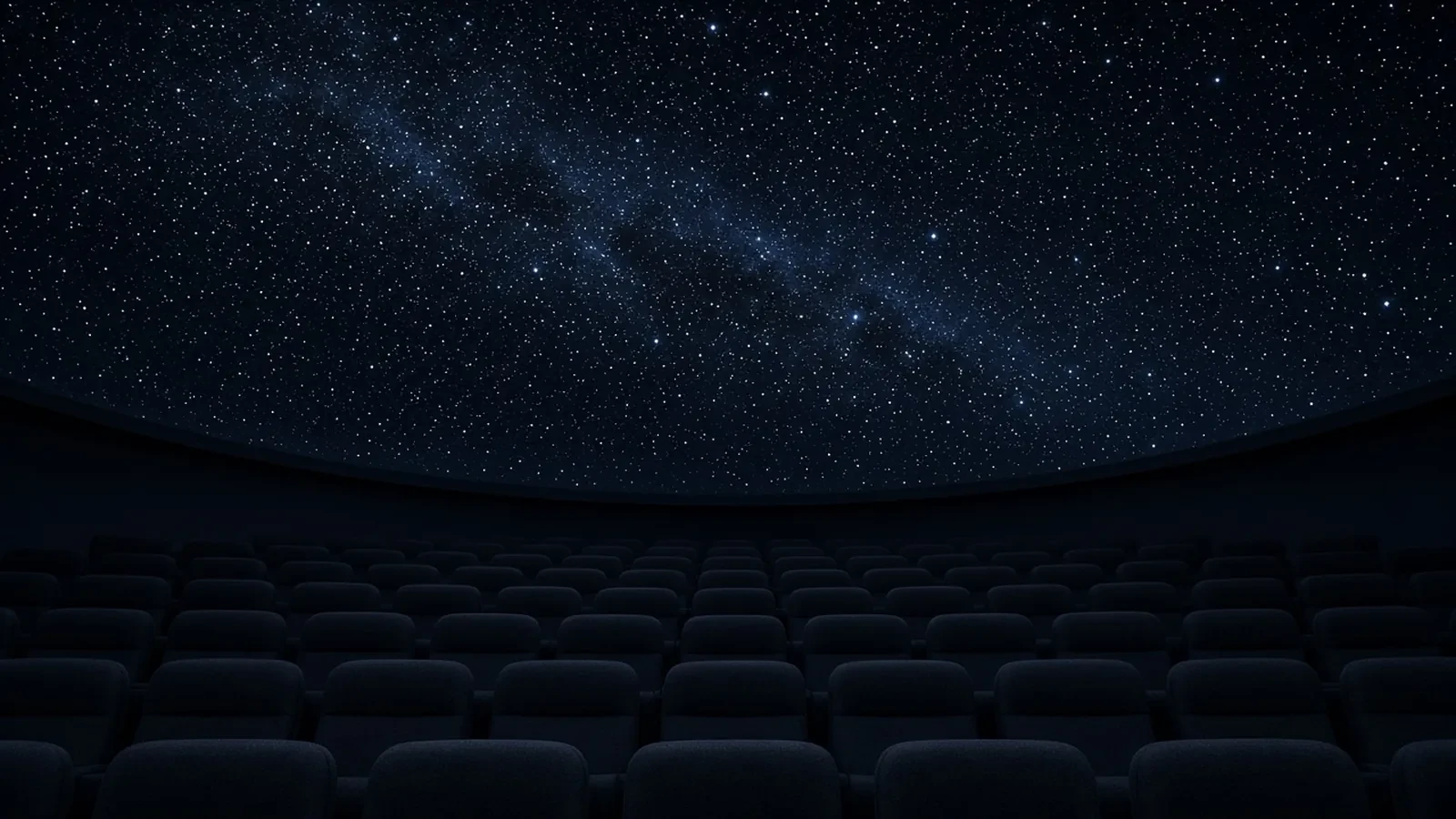
A planetarium night breaks when you promised forty people a dome that is holding thirty-six seats for your group, or when someone who said maybe arrives after the doors close and expects to slip in once the stars are up. Seats, the show you bought, and the time the lobby door shuts are set before the lights drop. The theater does not add a chair in the aisle because a cousin decided to come after the ticket count closed. A maybe does not hold a seat.
You can create a planetarium night RSVP that fills the seats in your block, records who needs a specific place in the dome, and stops when that block is full.
Ask what the dome will actually hold
Call the planetarium before you send the link. Write down the show title, the length, and how many seats are in your hold, which is not the same number as the whole dome. A ninety-seat theater can still mean a group block of thirty-six. If two of those thirty-six are wheelchair spaces with a companion seat beside each, those four places are inside the thirty-six, not extra. Ask whether late entry is allowed after the door closes. In most domes it is not, because the aisle is dark and the door leaks light onto the screen.
A seat is one person. Ask whether a caregiver who will not watch must still sit in the block, and whether a lap child needs a ticket. Pick the theater's rule and write it on the page. A stroller does not park in the aisle. If the theater bans strollers in the dome, say that before a family claims four seats and arrives with one.
Ask the last time you can release seats without paying for them. If the box office finalizes the hold at noon the day before, that noon is your lock. Write the show you booked by name. A later show, a different film, or a request to stay for the next program is not part of this yes.
Set a capacity limit on seats in the hold, not on everyone who was invited. When the last seat is taken, the form should say the night is full. If the theater has already printed your count, a late friend is not in this show.
Where someone sits is a fact, not a hope
The dome is a bowl. The front row means looking straight up. Some people want an aisle. Some need a wheelchair space and a companion beside them. Collect seating preferences only for the choices the theater can actually assign: aisle, not in the first row, wheelchair space, companion to a named person. Do not offer "near the front" if you cannot see the chart, and do not promise a seat the hold does not include.
If the two wheelchair spaces are already taken, the form should stop offering them. A person who cannot transfer into a fixed seat needs to know that before they drive over. Say, on the page, that the rest of the block is fixed theater seats with no step-free path to every row, if that is what the theater told you. Guessing from a photo of the lobby is how you assign a seat nobody can use.
The arrival line is the door, not the parking lot
Collect an arrival window that matches the house, not "evening." Doors might open at 6:35 for a 7:00 show, with everyone seated by 6:55. The line on the form is that window, plus the consequence: at 6:55 the door closes, and a person who is still in the parking lot does not enter. Their seat stays empty. It is not held through the show, and it is not a reason to open the door once the lights are down.
Put the meeting point in the lobby, at the desk that has your reservation name, not "at the planetarium." Name the show and the clock time next to the address. A person who arrives for the 8:00 public show with your 7:00 group is in the wrong room. Write that the confirmation name must match the list you will hand the usher.
The moment the seat list is locked
Tie your deadline to the box office, the hour they stop changing the hold. After that, a late yes is a call about a released seat, not a promise that the dome will flex. If you keep standbys, tell them they do not have a seat until you write back with a row. A maybe does not hold a seat.
If you allow a guest, that person needs their own seat line, their own seating note, and their own arrival window. One yes that hides a partner will blow a thirty-six-seat hold. Say that on the page. A partner in the lobby is a second seat.
Export the list the morning you lock: attending or not, seating note, party size, arrival window, and phone. Hand the usher names, not a guess. A planetarium RSVP is finished when every seat in the hold has a named person, the access seats match what the dome actually has, and a late car knows the door will not open.