
Photo Walk Outing RSVP Website: Spot Counts, a Route Cap, and a Light Cutoff
A photo walk outing RSVP has to lock a spot and a route place before the first shutter click, because a maybe does not hold a walking spot.
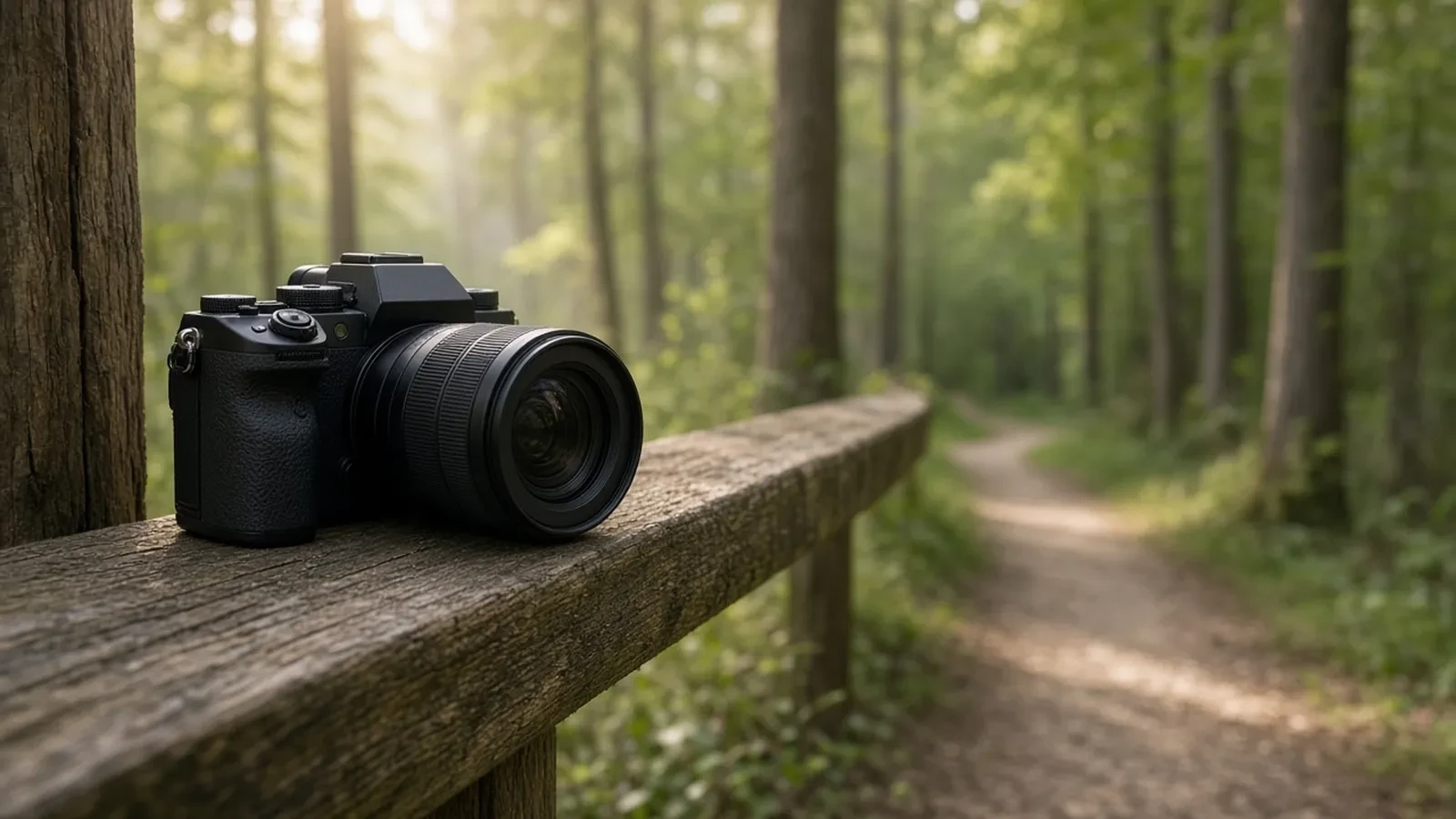
A photo walk outing breaks when twenty people arrive for a route that safely moves twelve and the host planned the stops for the names that answered yes, or when a late photographer assumes the group can wait at every crossing. Route length, stop space, pace, and the number of people one leader can keep together are set before the first shutter click. The host does not add a second route leader at the corner because a neighbor decided to walk after the list closed. This is an outdoor photo walk with cameras, shared stops, and a planned route, not a film screening night and not an unstructured street festival. A maybe does not hold a route place.
You can create a photo walk outing RSVP that counts the photographers the route and leaders can support, captures arrival timing, and closes when the walking cap is reached.
Count spots, walkers, and route space
Walk the route before you send the link. Write down how many people can stand at each planned photo stop without blocking a sidewalk, how many leaders or sweepers you have, and whether a spare place is for a late replacement or another photographer. If the narrowest stop can take twelve people with safe pedestrian clearance, that number is your cap: twelve walkers, not a crowd spreading into the street.
A photo walk spot is one named person, one place in the walking group, and one camera-ready position at the route stops. They can hear the leader, cross when the group crosses, take a photograph without stepping into traffic, and return to the group before it moves. There is no promise that a full overlook can absorb five extra tripods, no improvised shortcut that strands a walker, and no second group silently splitting from the route. Ask whether a person who will only accompany a photographer still needs a place in the walking group, and whether that person counts toward the route limit. Pick one rule and write it on the page. Observers stay in the places you named. They do not join at the third stop for "just one picture."
Ask the guide, venue, or permit contact when the final count must be fixed for permissions, leaders, and any transit timing. If the city contact needs the number by Wednesday for a Saturday walk, Wednesday is your lock. Write the finish too: the final stop is complete, the group returns to the named endpoint, and everyone leaves before the light or permit window closes. A thirteenth walker "if we stay together" is not a plan.
Set a capacity limit on walkers, not on everyone invited to meet the group at the endpoint. When the twelfth place is taken, the form should say the outing is full. If the route map and leader positions are already set, a late photographer is not an unplanned route place.
The light cutoff is the last safe stop
Name the work you will reach and stop there. A clear cutoff is a final location, a last shutter window, and a stop at "the last photo is taken and the group is back at the endpoint before dusk," not an outing that keeps moving until every photographer gets a perfect frame. A film screening night has a theater schedule and seats, not this walking route. A second route after dark is a different event and needs its own safety plan.
Put that light cutoff on the form as the point you will stop, not a vague "we will walk until sunset." If the outing ends when the named final stop is complete and the group reaches the endpoint, that is the cutoff. People who want another alley or golden-hour angle will still be on the sidewalk when the leader has to close the walk. You need a yes to this route place, this pace, and this end time before you publish the map.
Who needs a workable route and arrival
Walks go wrong when route comfort is treated as an afterthought. A photographer may need a slower pace, a clear curb crossing, a rest stop, a seat on transit, or a route that avoids stairs. Ask whether a household is one walker with one place or two people who each need to keep up with the group, and do not assume a couple shares one route position. A guest who cannot safely reach a stop does not get assigned a place that only looks available on paper.
Collect arrival time windows so you know who can meet at the briefing, who needs the group held for a stated few minutes, and who must join at a marked permitted stop. Also record route needs and collect accessibility needs so a clear crossing, rest point, or alternate entrance is planned before the walk begins. A route place is assigned to a person, not to an uncertain headcount.
The moment the route is locked
The meeting point is the entrance, route, and endpoint you named, not "downtown" with no corner or landmark. Put the host's phone on the page. A message in the group chat is not a location assignment. You match names to arrival windows, route places, and safety needs.
Tie the deadline to the permit, leader plan, and daylight forecast, the day the walker count cannot change. After that, a late yes is a call about a cancellation, not a promise of another place in the group. If you want names ready when a photographer drops, keep them as standbys and tell them they do not have a route place until you write back. A maybe does not hold a walking spot.
Export the list the morning you lock: attending or not, arrival window, route needs, stop map, light cutoff, and phone. A photo walk outing RSVP is finished when every route place has a named walker, the cutoff is the last stop you will actually reach safely, and a late guest knows whether they are walking, meeting at the endpoint, or waiting for a cancellation.