
Meteor Watch Outing RSVP Website: Blanket Counts, a Pad Cap, and a Sky Cutoff
A meteor watch outing RSVP has to lock a blanket spot and a pad before the first hour of dark, because a maybe does not hold a blanket spot.
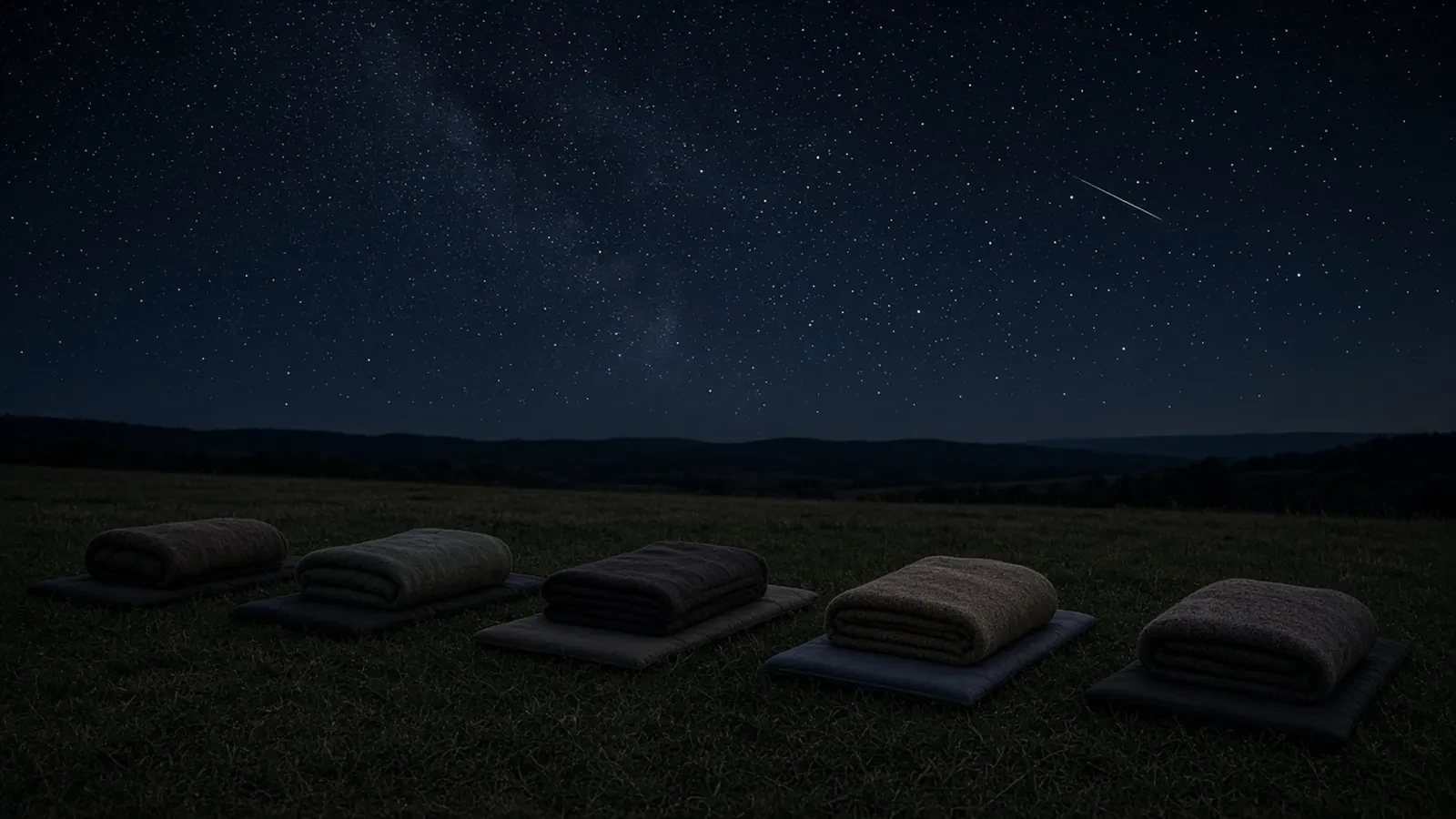
A meteor watch outing breaks when twelve pads are laid and twenty people arrive expecting a blanket spot, or when the field permit was built for twelve and three of those names were still a maybe on Friday. Blanket spots, the pad each watcher uses, and the sky cutoff you will actually honor are set before the first hour of full dark. The host does not unroll a thirteenth pad because a neighbor decided to stay up after the sheet closed. This is an overnight watch on open ground for a named meteor shower, not a planetarium show under a dome and not a short stargazing walk that ends before midnight. A maybe does not hold a blanket spot.
You can create a meteor watch outing RSVP that fills the pads you will actually lay, records who is staying through the peak and who is only dropping someone off, and stops when those spots are full.
Count the watchers the pads can hold
Walk the field in daylight before you send the link. Write down how many pads you can lay without flashlights crossing a neighbor's view, how many blankets and reclining chairs you can actually bring, and whether a spare pad is a replacement for a wet one or a thirteenth watcher. If twelve pads can each take one named person, that number is your cap: twelve watchers, not a crowd sharing one blanket and one red light.
A meteor watch spot is one named person, one pad, and one facing toward the darkest part of the sky. You arrive before full dark, lie back through the hours you named, and leave when the peak window ends or the sky closes. There is no dome seat, no narrated planetarium show, and no shared pad that becomes someone else's overnight spot. Ask whether a person who will not stay the night can drop a watcher and leave, and whether that person still counts toward the number the field can hold. Pick one rule and write it on the page. Drop-offs stay off the pads. They do not unroll "for an hour" or start a second row just to see one streak.
Ask the last time you can change the headcount without losing the field permit or the carpool count. If the gate list locks on Thursday for a Saturday night peak, that Thursday is your lock. Write the finish too: one pad, one named watcher, gear packed when the hours you named are done. A thirteenth pad "if someone brings an extra blanket" is not a plan.
Set a capacity limit on overnight spots, not on everyone who was invited to glance at the sky. When the twelfth spot is taken, the form should say the outing is full. If the pads are already assigned, a late watcher is not on this field.
The sky cutoff is a call time, not a vibe
Name the cloud and cold you will accept and stop there. A clear line is a named cloud limit, a temperature rule, and a stop at "called off by four in the afternoon if the peak hours are socked in," not an open field until someone feels like driving. Watching until dawn no matter the sky is a different outing, and you will not see meteors through a solid deck of cloud. A planetarium visit, with a timed dome show and reserved seats, is a different night. So is a stargazing walk, with a short trail and a turnaround before midnight.
Put that cutoff on the form as the point you will cancel or go, not a vague "we'll see after dinner." If the outing ends when the named peak window closes and the pads are rolled, that is the line. People who want to "drive out and hope it clears" will still be on the road when the gate was supposed to lock. You need a yes to this blanket spot, this pad, and this sky cutoff before you hand out red lights.
Who you can reach in the dark, and what the sky does to the night
Outings go wrong when the only number you have is a group chat that dies when the signal drops. A field after midnight needs a name and a phone for each watcher, and a second contact if that phone is in a bag. Ask for that contact before dark, not when someone is already cold and hard to find between pads.
Collect an emergency contact so a watcher who does not answer has a person you can call, not a blank line on the roster. Put a weather contingency on the page before anyone drives over: cloud that hides the radiant, wind or cold that ends the sit, and the afternoon hour you will call it off. Write what happens if someone misses the dark start: their pad goes to a standby already on the field, or it stays rolled and the late guest does not open a second row.
The moment the pads are locked
The meeting point is the pullout you named, not "the dark field" with no gate marked. Put your phone on the page. A message in the group chat is not a pad assignment. You match names to spots.
Tie the deadline to the gate list, the day the watcher count cannot change. After that, a late yes is a call about a cancellation, not a promise of another blanket. If you want names ready when a watcher drops, keep them as standbys and tell them they do not have a pad until you write back. A maybe does not hold a blanket spot.
Export the list the afternoon you lock: attending or not, which pad, emergency contact, weather note, and phone. A meteor watch RSVP is finished when every pad has one named watcher, the sky cutoff is the call you will actually make, and a late guest knows whether they are staying the night or turning around at the gate.