
Joy (WithJoy) vs Zola: Wedding Website & RSVP Comparison
Joy vs Zola compared side by side: wedding websites, RSVPs, meal choices, plus-ones, the guest app, registry, cost and privacy, plus a simpler RSVP-first option.
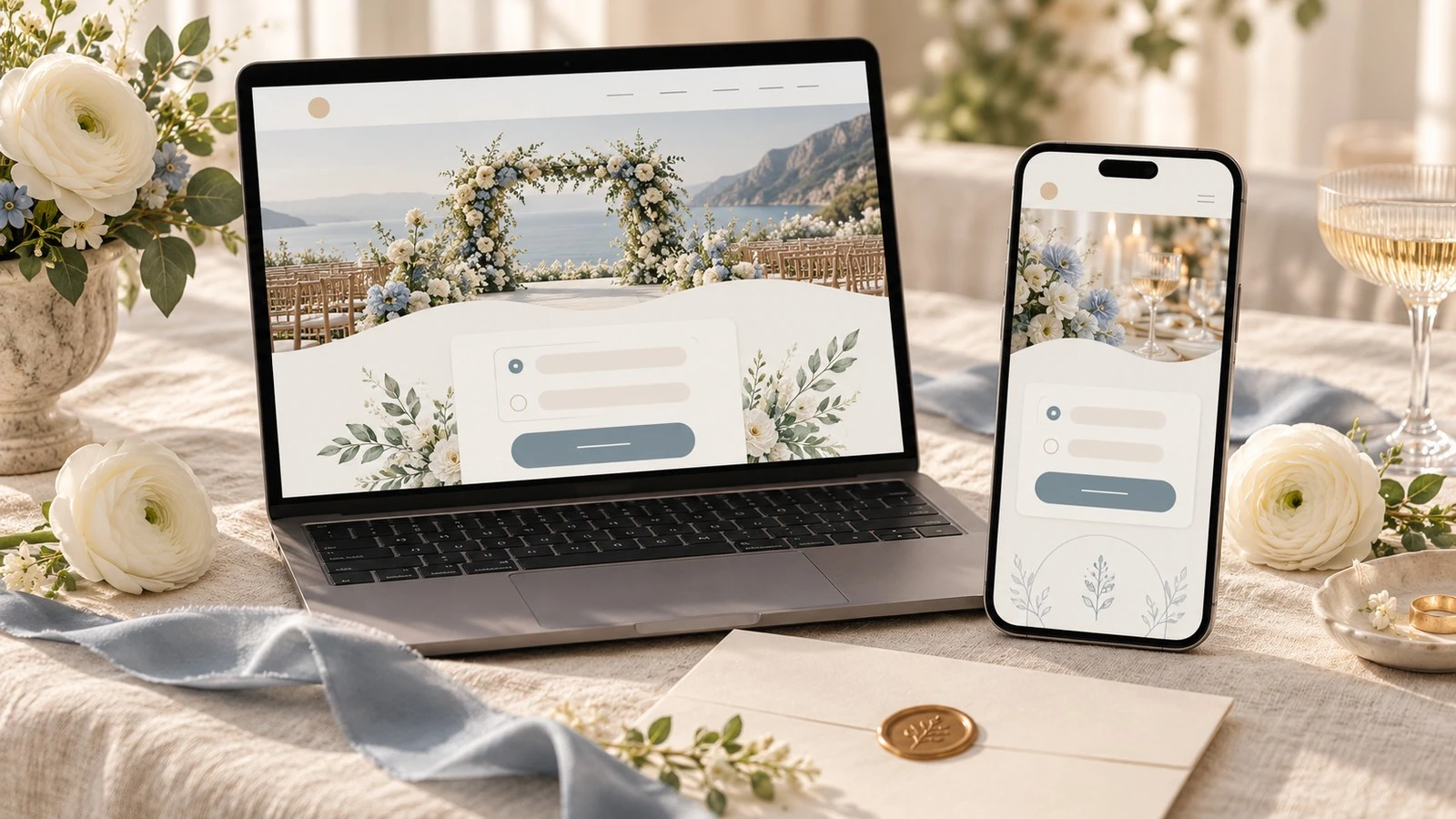
Choosing between Joy (also known as WithJoy) and Zola can feel surprisingly complicated when all you really want is a beautiful wedding website that makes planning easier. Both platforms offer wedding websites, guest management, online RSVPs, and registry tools, but they approach the wedding planning experience differently.
Joy emphasizes a connected wedding experience with flexible guest communication, event details, and digital planning tools. Zola brings wedding websites, RSVPs, registries, and other planning services into one ecosystem.
In this Joy vs Zola comparison, you'll learn how the platforms differ in design, RSVP management, meal choices, plus-ones, mobile access, pricing, privacy, and ease of use. You'll also discover when a simpler RSVP-focused website might be a better fit.
Joy vs Zola: Quick Comparison
Both Joy and Zola are established wedding planning platforms, and neither is automatically better for every couple. The right choice depends on whether you prioritize guest communication, registry shopping, website design, or straightforward RSVP collection.
Here are the most important differences:
Wedding websites: Joy offers customizable wedding websites designed around sharing event information and communicating with guests. Zola offers customizable wedding websites that connect closely with its registry and planning tools.
RSVP management: Both support online RSVPs and guest list tracking, including ways to collect responses for different wedding events.
Meal choices: Both can collect meal preferences through RSVP questions, although the exact setup and available controls may differ.
Plus-ones: Both provide guest management tools that help couples control who is invited and account for additional guests.
Design and templates: Both offer wedding website templates, but their layouts, customization options, and visual styles differ.
Mobile experience: Guests can access wedding websites through mobile browsers. Joy also offers an app-based experience, while Zola provides mobile-friendly websites and planning tools.
Registry: Both support wedding registries. Zola places particular emphasis on its integrated registry shopping experience, while Joy also provides registry and gift-related options.
Cost: Both offer free wedding website options, with potential charges for optional products, services, or purchases.
Privacy: Both provide guest-facing privacy and access controls, though specific settings should be checked before publishing.
Ease of use: Joy may appeal to couples focused on their wedding website and guest experience. Zola may appeal to couples who want registry shopping and wedding planning in one place.
The biggest takeaway is that both platforms can handle the basics of a wedding website and RSVP system. Their differences become more important when you look at how you want to manage the rest of your wedding.
Joy vs Zola Wedding Websites: Design and Customization
Your wedding website is often the first place guests visit after receiving a save-the-date or invitation. It should communicate the essential information clearly while reflecting the style of your celebration.
Joy Wedding Website Design
Joy offers wedding website designs that combine event information, photos, schedules, and RSVP functionality.
Couples can create a website that introduces their wedding, shares their story, and provides useful details such as the ceremony location, reception information, travel recommendations, and accommodations.
Depending on the selected design and available settings, couples can personalize visual elements and organize the information guests need.
Joy's approach is particularly useful for weddings with multiple activities, such as welcome parties, rehearsal dinners, ceremonies, receptions, and post-wedding gatherings.
Rather than treating the website as a single invitation, couples can use it as a central location for the wedding experience.
However, couples looking for complete control over every design element may find that a template-based builder has limitations. It's worth previewing the available layouts before committing to a design.
Zola Wedding Website Design
Zola also provides wedding website templates with customizable colors, photos, text, and event information.
Its designs are intended to work alongside other Zola services, including wedding registries, invitations, and guest management.
That integration can be appealing if you want your wedding website and other wedding materials to feel consistent.
For example, a couple using Zola for their registry and invitations may appreciate keeping those elements within the same platform.
Zola's templates accommodate different wedding styles, from formal celebrations to casual outdoor ceremonies.
Like Joy, however, Zola is a website builder rather than a completely unrestricted web design platform. Customization depends on the selected template and the controls the service provides.
Which Has Better Wedding Website Templates?
There isn't a universal winner.
Joy is worth exploring if you want a website centered on sharing wedding details and coordinating the guest experience.
Zola is worth exploring if matching wedding stationery, registry integration, and an organized planning ecosystem matter to you.
Before deciding, preview a few templates on both desktop and mobile. Pay attention to readability, navigation, photo placement, and how easily guests can find the RSVP button.
A beautiful homepage matters less if guests struggle to find the ceremony address or respond to their invitation.
Joy vs Zola RSVP Features
For many couples, RSVP management is the most important part of the wedding website.
An effective RSVP system should make it easy for guests to respond and help you maintain an accurate headcount without tracking dozens of text messages, emails, or paper response cards.
Both Joy and Zola offer online RSVP functionality, but there are differences in their guest management workflows.
How Joy RSVPs Work
Joy allows couples to create a guest list and collect responses through their wedding website.
Guests can respond to invitations, and couples can manage responses through their planning tools.
For weddings with multiple events, Joy supports event-specific guest management, which can help distinguish between guests invited to the ceremony, rehearsal dinner, or other celebrations.
This is especially useful when different events have different invitation lists.
For example, you might invite 120 people to the wedding ceremony but only 25 close relatives and friends to a rehearsal dinner.
Managing those invitations separately helps prevent confusion.
Joy also offers tools for collecting guest information and communicating important details.
The exact RSVP experience depends on how you configure your guest list, events, and questions.
How Zola RSVPs Work
Zola also allows couples to manage a wedding guest list and collect responses through their wedding website.
Its RSVP tools work alongside its broader guest management system.
Couples can organize invitees, track responses, and collect information needed for wedding planning.
Zola supports different wedding events and RSVP questions, making it useful for celebrations with multiple activities.
One advantage of using Zola is the connection between guest management and other wedding planning features.
If you're already organizing invitations, addresses, and registry information through Zola, keeping RSVP responses in the same environment can reduce the number of tools you need.
Which Is Easier for Guests?
Both services are designed to let guests RSVP online without requiring them to create their own wedding planning accounts.
However, the experience depends heavily on the way the couple configures the RSVP process.
A guest who receives a clear link and sees a simple response form is more likely to complete it than someone who encounters confusing instructions or too many questions.
Before sharing either website, test the entire RSVP process on a phone.
Check whether guests can identify themselves, select their attendance status, answer the necessary questions, and submit their response without confusion.
It's also worth testing how the system handles couples, families, and guests who have similar names.
Meal Choices, Plus-Ones, and Guest List Management
Collecting a yes-or-no response is only one part of wedding planning.
Your caterer may need meal counts, your venue may require an accurate guest total, and your seating plan may depend on which additional guests are attending.
Meal Selection
Both Joy and Zola provide ways to ask guests about meal preferences.
For example, you may need guests to select between chicken, fish, and vegetarian options.
You may also want to collect dietary restrictions or allergy information.
The important consideration is how those answers are associated with individual guests.
If a family of four responds together, you'll want to know which person selected each meal rather than receiving an unclear list of four choices.
Test a sample household before sending invitations to everyone.
For help deciding which information to collect, see this guide to what to ask on a wedding RSVP form.
Plus-One Management
Both platforms provide guest list tools for handling invitations that include additional guests.
This matters because an unrestricted plus-one field can create problems when couples have a strict venue capacity.
For example, an invitation addressed to one person shouldn't automatically allow that guest to bring three additional attendees.
Guest list configuration can help distinguish between named invitees and invitations that permit an additional guest.
Check how each platform handles unnamed plus-ones, households, and changes to an existing response.
Multiple Wedding Events
Joy and Zola can both support weddings that include more than one event.
A couple might need separate responses for a welcome dinner, ceremony, reception, and farewell brunch.
When comparing the platforms, check whether guests see only the events relevant to their invitations and whether you can review responses separately.
This becomes particularly important for destination weddings and multi-day celebrations.
RSVP Deadlines and Follow-Ups
No matter which platform you choose, setting an appropriate RSVP deadline is essential.
Your deadline should leave enough time to follow up with guests who haven't responded and provide final numbers to your venue and caterer.
Neither platform eliminates the need for occasional personal follow-ups.
Some guests may forget to respond, misunderstand their invitation, or need extra time to confirm travel arrangements.
For practical guidance, read these wedding RSVP deadline best practices.
Joy App vs Zola: The Mobile Guest Experience
Mobile usability deserves special attention because many guests will open your wedding website from a text message, email, or QR code.
Does Joy Require Guests to Download an App?
No. Guests can access Joy wedding websites through a mobile web browser.
Joy also offers an app experience with additional wedding-related functionality.
The app can be useful for certain guest interactions and event experiences, but it should not be confused with a requirement to download an app simply to view a wedding website or submit a standard online RSVP.
For couples, this distinction is important.
Some guests enjoy dedicated apps, while others prefer opening a link without installing anything.
Does Zola Require a Guest App?
Zola wedding websites are accessible through mobile browsers, so guests don't need to download an app to view wedding information and respond online.
Zola also offers mobile planning tools for couples.
The distinction is between tools used by the couple to manage the wedding and the website guests use to access information.
Which Mobile Experience Is Better?
For ordinary RSVP collection, both platforms can provide a practical mobile web experience.
Joy's app-related features may be attractive if you want guests to participate in a broader digital wedding experience.
Zola's mobile website approach works well for couples who want guests to access wedding details and RSVPs through a familiar browser.
Regardless of the platform, test the website on both an iPhone and an Android phone if possible.
Make sure the RSVP form is readable, buttons are easy to tap, and important information isn't buried behind unnecessary navigation.
Joy vs Zola Registry: Which Is Better?
The wedding registry is one of the more meaningful differences between Joy and Zola.
Both provide registry-related functionality, but Zola is particularly focused on offering an integrated wedding shopping and gifting experience.
Joy Wedding Registry
Joy supports wedding registry options that allow couples to share gift preferences with their guests.
Its registry experience can accommodate different gifting needs, including traditional gifts and other registry-related options.
This can be useful for couples who want flexibility in how they organize their gift lists.
Before choosing Joy primarily for its registry, review the current options for adding gifts, linking outside registries, managing cash gifts, and receiving purchased items.
Payment processing terms and gift-related fees can vary depending on the option selected.
Zola Wedding Registry
Zola offers a comprehensive wedding registry experience with products, gift management, and other gifting options.
Couples can combine their wedding website with registry shopping, making it convenient for guests to find gifts from the same wedding ecosystem.
Zola also supports registry options beyond traditional household items.
If you're planning to build a large registry and want to manage gifts alongside other wedding planning activities, Zola may be especially appealing.
Which Registry Should You Choose?
Choose based on the gifts you actually want, rather than the number of features advertised.
Compare product selection, outside registry compatibility, shipping policies, returns, cash gift terms, and any applicable fees.
Also consider whether you need a registry at all.
Couples who prefer no gifts, charitable donations, or a small private registry may not benefit much from a full-featured registry platform.
In that situation, the quality of the RSVP experience may matter more than the registry.
Joy vs Zola Pricing: Are They Really Free?
One of the biggest advantages of both Joy and Zola is that couples can create wedding websites without paying a basic website subscription.
However, free wedding websites don't necessarily mean every related service is free.
Joy Pricing and Optional Upgrades
Joy provides free wedding websites, online RSVPs, guest list management, registry tools, and access to its mobile app.
Couples can use these core features without paying a monthly subscription.
Joy also offers optional paid products and services, including premium stationery designs, custom domains, and certain communication features.
Joy generates revenue through registry-related purchases and optional services.
That means you can use its core wedding website tools without purchasing additional products.
Joy+1
Zola Pricing and Optional Upgrades
Zola also offers free wedding websites, RSVP tracking, and guest management.
Optional purchases can include custom domains, printed stationery, registry products, and other wedding-related services.
Zola's business model includes wedding shopping and services, so couples may encounter recommendations for related products during the planning process.
These offers aren't necessarily a disadvantage. They can be convenient if you already intend to purchase those products.
However, if you only want to collect RSVPs, you may not need the broader shopping experience.
What About Ads and Upsells?
Neither platform should be judged solely by whether it promotes paid services.
A free website builder needs a way to support its business, and optional purchases are a common approach.
The more useful question is whether those promotions interfere with your planning experience or create unwanted distractions for guests.
Before publishing, preview the guest-facing website and check how registry links, recommendations, and other optional elements appear.
Wedding Website Privacy: Joy vs Zola
Wedding websites often contain personal information, including names, event locations, dates, and travel details.
Some couples are comfortable sharing this information publicly. Others prefer limiting access to invited guests.
Both Joy and Zola provide privacy-related website settings, including password protection options.
For a private wedding, consider protecting event information with a password and checking how RSVP access works for guests who aren't on the invitation list.
It's also important to understand that website privacy and RSVP permissions aren't necessarily the same thing.
A password may restrict who can view a website, while guest list settings determine who can respond and which events they can attend.
Before sending invitations, test the website as someone who isn't signed into your planning account.
Make sure private information is protected and guests can still respond without unnecessary obstacles.
Ease of Use: Which Platform Takes Less Time?
Both Joy and Zola are designed for couples without technical experience.
You don't need to know how to code or build a website from scratch.
However, a platform with more planning features can take longer to configure if you only need a few of them.
Joy may feel more natural for couples who want to organize their guest experience, communicate wedding details, and manage multiple events.
Zola may feel more convenient for couples who want to combine their website, registry, invitations, and shopping-related planning activities.
Neither experience is inherently complicated, but the amount of setup depends on your needs.
A useful test is to create a sample wedding website on each platform and complete these tasks:
Add the ceremony and reception details.
Create a small guest list.
Configure meal questions and plus-one permissions.
Submit a test RSVP from a phone.
Find and review the response in the planning dashboard.
The platform that makes these tasks easiest for your particular wedding is likely the better choice.
A Simpler Alternative: SnapRSVP for RSVP-First Weddings
Not every couple needs a complete wedding planning platform.
Some already have a registry elsewhere, have sent their invitations, and simply want an attractive page where guests can confirm attendance.
That's where SnapRSVP offers a different approach.
SnapRSVP is a dedicated wedding RSVP website builder focused on collecting guest responses without requiring couples to use a larger wedding planning ecosystem.
Guests can RSVP directly from their phones without downloading an app.
Couples can collect attendance responses, meal preferences, plus-one information, and dietary details while keeping the process straightforward.
SnapRSVP also offers event customization, RSVP deadlines, guest limits, and privacy settings.
Unlike the free core website offerings from Joy and Zola, SnapRSVP has a one-time price of $19.99 with no subscription.
You can review the SnapRSVP pricing details before creating your event.
The distinction is simple: Joy and Zola are broader wedding planning platforms, while SnapRSVP focuses on the RSVP experience.
For a more detailed comparison, explore the SnapRSVP alternative to Joy and the SnapRSVP alternative to Zola.
You can also read the dedicated comparisons of SnapRSVP vs Joy for wedding RSVPs and SnapRSVP vs Zola for wedding RSVPs.
SnapRSVP isn't intended to replace every wedding planning feature offered by Joy or Zola. It's an option for couples who value a focused RSVP workflow over an all-in-one platform.
Which Should You Choose: Joy, Zola, or SnapRSVP?
The best wedding website depends on how much planning you want to manage through a single service.
Choose Joy If...
Joy is worth considering if you want a free wedding website with guest communication tools, multiple event management, registry options, and an optional app experience.
It can be particularly appealing for destination weddings, multi-day celebrations, and couples who want to share information with guests throughout the wedding process.
Choose Zola If...
Zola is worth considering if you want a free wedding website closely connected to a comprehensive registry and broader wedding planning tools.
It may be especially convenient if you're interested in managing wedding shopping, invitations, and guest information within one platform.
Choose SnapRSVP If...
SnapRSVP may be a good fit if your main priorities are collecting accurate RSVPs, asking a few essential guest questions, and providing a simple mobile experience.
It's particularly relevant if you already have other planning arrangements and don't need an integrated wedding registry or extensive planning tools.
If you're still exploring options, this guide to wedding RSVP website alternatives can help you compare different approaches.
For couples specifically considering Zola against another large wedding platform, the Zola vs The Knot wedding website comparison offers additional context.
Frequently Asked Questions About Joy vs Zola
Is Joy better than Zola?
Joy isn't universally better than Zola. Joy may be a stronger fit for couples who value guest communication, event organization, and an optional guest app experience. Zola may be a better choice for couples who want their wedding website closely connected to registry shopping and other planning services.
Both provide free wedding websites and online RSVPs, so the best choice depends on your priorities.
Is Joy or Zola better for wedding RSVPs?
Both platforms offer useful RSVP and guest list management tools.
Joy supports multiple event RSVPs, guest grouping, and plus-one assignments. Zola also supports online responses, meal preferences, and guest management.
The easiest way to choose is to test a sample RSVP with the types of households and questions your wedding requires.
Can I use Joy and Zola together?
Yes. You can use different wedding planning services for different purposes.
For example, you might use Joy for your wedding website and maintain a registry through Zola.
However, guest lists and RSVP responses won't necessarily synchronize automatically between the platforms.
Avoid collecting RSVPs in two separate places unless you have a clear process for combining the results.
Is WithJoy completely free?
Joy's core wedding website, RSVP, guest list, registry, and app tools are free.
Optional services and products, such as premium stationery designs, certain messaging features, and custom domains, may cost extra.
Review any paid selections before completing a purchase.
Do wedding guests need to download the Joy app?
No. Guests can view a Joy wedding website and complete a standard online RSVP through a web browser.
Joy also offers an app with additional guest-related features, but downloading it isn't generally required for basic RSVP functionality.
Can you collect meal choices and plus-ones on both Joy and Zola?
Yes. Both platforms support collecting meal preferences and managing additional guests through their RSVP and guest list tools.
The specific configuration options differ, so test your form before sharing it.
Pay particular attention to individual meal selections, family invitations, plus-one limits, and how guests can update their responses.
Final Thoughts: Joy vs Zola
Joy and Zola are both capable wedding website platforms. Joy stands out for its connected guest experience, communication tools, and optional app features. Zola offers a compelling combination of wedding websites, registries, and planning services.
For couples who want a complete wedding planning ecosystem, either can be a sensible choice.
But if your main goal is simply to collect RSVPs, track attendance, and gather meal preferences without extra complexity, a dedicated RSVP website may be all you need.
Want to keep your wedding RSVPs simple? Create a beautiful RSVP website with SnapRSVP for $19.99 one time, with no subscription and no app download required for guests.