
Wedding RSVP Deadline Best Practices: Timing, Follow-Up, and Etiquette
Choose a wedding RSVP deadline that gives you time to follow up, finalize vendors, and build an accurate guest count without confusing or pressuring guests.
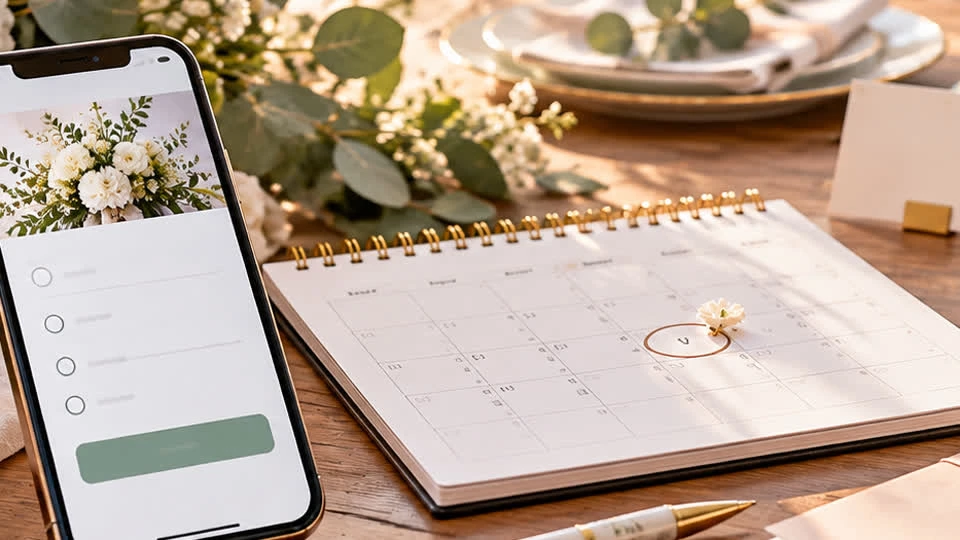
A wedding RSVP deadline is a planning tool, not a decorative date. It gives you the point at which you stop guessing and begin finalizing catering, seating, transportation, rentals, and other details. Set it too late and every next step becomes urgent. Set it with a little buffer and you can follow up politely while there is still time to act.
The best deadline depends on your venue and caterer, but the process is consistent: find the hard vendor cutoff, work backward, choose a clear guest date, and create a follow-up plan before invitations go out. This guide focuses on timing and etiquette rather than invitation wording templates.
Find the real final-count deadline first
Ask the venue and caterer when they need the guaranteed guest count, meal totals, dietary notes, and seating information. These dates may be different. A caterer may need the number 10 to 14 days before the wedding, while the venue needs a room setup several days earlier. Rentals, shuttle companies, and welcome-event vendors may have their own cutoffs.
Write every cutoff on one planning calendar. Your guest RSVP date must come before the earliest deadline that requires information from the response list. Add time for late replies, corrections, and the practical work of converting responses into vendor totals.
If you want to compare approaches, review SnapRSVP event page examples. The structure of the RSVP page should match the decisions your vendors actually need.
Use a three- to four-week buffer when possible
For many local weddings, a deadline about three to four weeks before the wedding gives couples a useful working window. It leaves time to identify non-responders, confirm meal choices, draft a seating chart, and submit a clean count. Your vendor’s contract is the authority, so move the date earlier when the final-count cutoff demands it.
Destination weddings, holiday weekends, or events with complex travel may need an earlier deadline. Guests need time to arrange flights and lodging, and you may need to provide the hotel or shuttle company with numbers sooner. Do not choose the same deadline for every event type simply because it is traditional.
Set up the response page using SnapRSVP’s online RSVP creator. Test it with a sample guest, including a decline, a plus-one, a meal choice, and a dietary note. Confirm that each answer is stored under the correct person before sending invitations.
Make the date unambiguous
Use a specific calendar date and, for an online RSVP, a clear time if the cutoff is strict. “Please respond by May 10” is easier to understand than “reply soon.” If guests are spread across time zones, include the time zone or let the form remain open through the end of the host’s local day.
Put the deadline where guests will see it near the response button. Do not hide it in a long information page. The date should be consistent across the invitation, wedding website, reminder messages, and any printed insert. Changing it publicly creates uncertainty for guests who already planned around it.
Ask only for information you can use
A wedding RSVP usually needs attendance, the names of attending guests, meal choice if required, dietary restrictions, and any event-specific participation such as ceremony, reception, or shuttle. Ask about children and plus-ones only according to your guest policy. If a guest is not invited to a second event, do not present it as an option.
Make dietary questions precise without becoming intrusive. A multiple-choice meal field helps with totals, while a short-answer field captures allergies and restrictions. If you need a mailing address, shuttle stop, or hotel information, explain how it will help you plan. Every extra field increases the chance that a guest postpones the form.
Plan reminders before the deadline
One reminder about a week before the deadline is enough for many weddings. Send it only to guests with no response, include the RSVP link, and state the date plainly. A short message such as “We are finalizing our wedding guest count; please reply by May 10 if you have not yet responded” is polite because it explains the practical reason.
On the deadline day, a second brief reminder can help. Do not repeatedly message guests who already replied, and do not use a group blast that reveals who has not responded. Keep a list of contacts and assign one person to manage follow-up so a couple does not accidentally send duplicate requests.
Handle missed deadlines calmly
Wait a short time after the deadline, then contact non-responders individually. Choose the channel that fits the relationship: a text for a friend, a call for a close relative, or an email when that is the normal way you communicate. Ask for a direct yes or no and give a final date tied to your vendor deadline.
If a guest replies after you have submitted the count, respond graciously but explain what is still possible. You are not required to redesign the seating plan or pay a late fee for a response that missed the stated cutoff. If you choose to accommodate it, record the change and tell the relevant vendor promptly.
Close the list and use it consistently
When the response window closes, export or review one master list. Reconcile the total attending, meal counts, allergies, plus-ones, children, and event-specific responses. Use the same names and guest identifiers when creating place cards and vendor lists. Keep a separate “late change” note so you know what was adjusted after the original count.
Send confirmed guests a later logistics update with the address, schedule, attire, parking, and transportation details. That message is not a second RSVP request. If something changes materially, explain what changed and ask only the affected guests to update their response.
For more practical RSVP planning guidance, visit the SnapRSVP blog. A firm, well-timed deadline is considerate to guests because it gives them clarity—and considerate to the couple because it protects the decisions that make the wedding run smoothly.