
Hayride Outing RSVP Website: Wagon Counts, a Seat Cap, and a Dusk Cutoff
A hayride outing RSVP has to lock a wagon place and a seat before the first loop, because a maybe does not hold a seat at dusk.
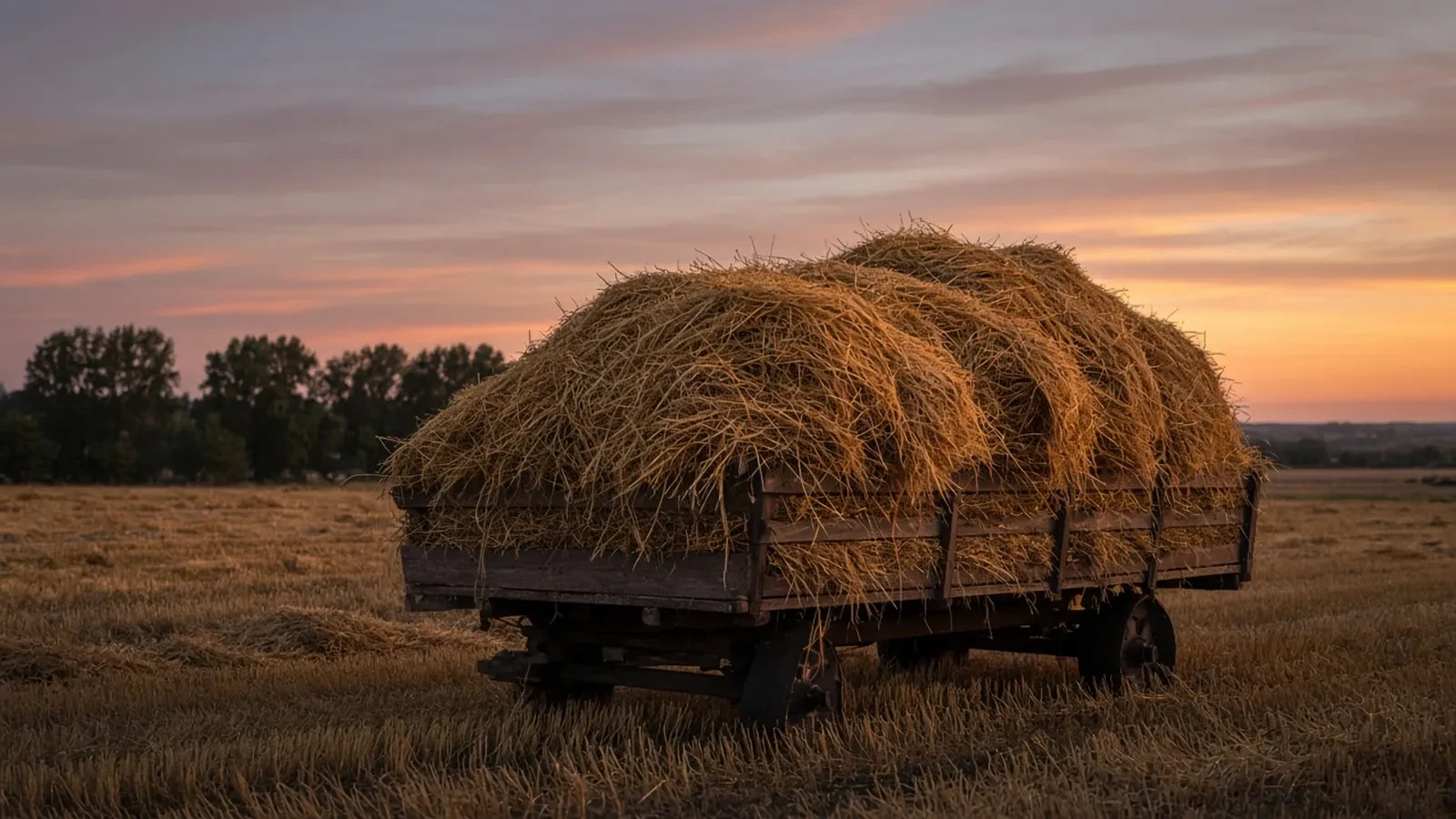
A hayride outing breaks when the farm confirms one wagon for fourteen people, twenty-two guests answer yes, and late arrivals expect the driver to add another loop after dark. Wagon size, seat assignments, boarding time, weather conditions, and the number of people one driver can safely carry are set before the first departure. The host does not add a standing rider or hold the wagon at the gate because a neighbor decided to come after the list closed. This is a scheduled hayride with a named route and a fixed return, not an open farm visit. A maybe does not hold a seat at dusk.
You can create a hayride outing RSVP that counts wagon seats, captures arrival windows, and closes when the seat cap is reached.
Count wagons, riders, and boarding space
Walk the farm route before you send the link. Write down how many seats the confirmed wagon has, how many people the driver and attendant can supervise, how many car seats or mobility accommodations are possible, and whether a spare place is for a host helper or a late replacement. If the wagon has fourteen safe seats for this route, that number is your cap: fourteen riders, not a crowd gathered at the loading gate.
A hayride place is one named person, one seat, and one place in the boarding order. They can reach the loading area, hear the attendant, remain seated on the route, and return to the named unloading point without taking another rider’s place. There is no promise that one extra child can sit on an adult’s lap, no standing rider on the wagon, and no second loop silently added after the farm closes. Ask whether a companion who will remain at the farm needs a wagon seat. Pick one rule and write it on the page. Guests stay within the seats you named; they do not climb aboard when the tractor is ready.
Ask the farm contact and driver when the final count must be fixed for tickets, staffing, boarding, and route timing. If the farm needs the number by Wednesday for a Saturday ride, Wednesday is your lock. Write the finish too: the final loop returns to the unloading point, the wagon is cleared, and everyone leaves before the agreed dusk time. A fifteenth rider “if we squeeze in†is not a plan.
Set a capacity limit on riders, not on everyone invited to meet the group for cider after the ride. When the fourteenth place is taken, the form should say the outing is full. If the driver, seats, and boarding order are already set, a late guest is not an unplanned wagon place.
The dusk cutoff is the last safe return
Name the work you will complete and stop there. A clear dusk cutoff is a final departure, a last route loop, and a return at “the wagon is back and unloaded before the stated dusk time,†not an outing that keeps circling until every late arrival gets a ride. A farm admission visit has different hours and transportation; it is not this scheduled hayride. A night ride is a different event and needs its own lighting and safety plan.
Put that dusk cutoff on the form as the point you will stop, not a vague “we will ride until it gets dark.†If the outing ends when the named loop returns and the wagon is clear, that is the cutoff. People who want another lap will still be at the gate when the driver has to close. You need a yes to this wagon place, this boarding time, and this end time before you finalize the list.
Who needs a workable seat and arrival
Outdoor rides go wrong when boarding comfort is treated as an afterthought. A rider may need a lower step, a seat near an attendant, extra boarding time, or a clear place for a mobility device. Ask whether a household is one rider with one seat or three people who each need to board, and do not assume a family shares one wagon count. A guest who cannot safely use the planned boarding point does not get assigned a seat that only looks available on paper.
Collect arrival time windows so you know who can reach the gate for the briefing, who needs the attendant notified, and who must be placed in an earlier boarding group. Add weather contingency so everyone knows when rain, wind, or unsafe footing changes the plan. A wagon place is assigned to a person, not to an uncertain headcount.
The moment the wagon is locked
The meeting point is the farm gate, loading lane, and unloading point you named, not “at the farm†with no landmark or parking instruction. Put the host’s phone on the page. A message in the group chat is not a seat assignment. You match names to seats, arrival windows, weather decisions, and driver instructions.
Tie the deadline to the farm confirmation, driver plan, and daylight forecast, the day the wagon count cannot change. After that, a late yes is a call about a cancellation, not a promise of another seat. If you want names ready when a rider drops, keep them as standbys and tell them they do not have a wagon place until you write back. A maybe does not hold a seat at dusk.
Export the list the morning you lock: attending or not, seat count, boarding window, weather plan, dusk cutoff, wagon cap, and phone. A hayride outing RSVP is finished when every seat has a named rider, the cutoff is the last return you will actually run safely, and a late guest knows whether they are riding, meeting at the farm, or waiting for a cancellation.