
Geocaching Outing RSVP Website: Cache Counts, a Team Cap, and a Find Line
A geocaching outing RSVP has to lock a cache route and a team before the first find, because a maybe does not hold a team spot.
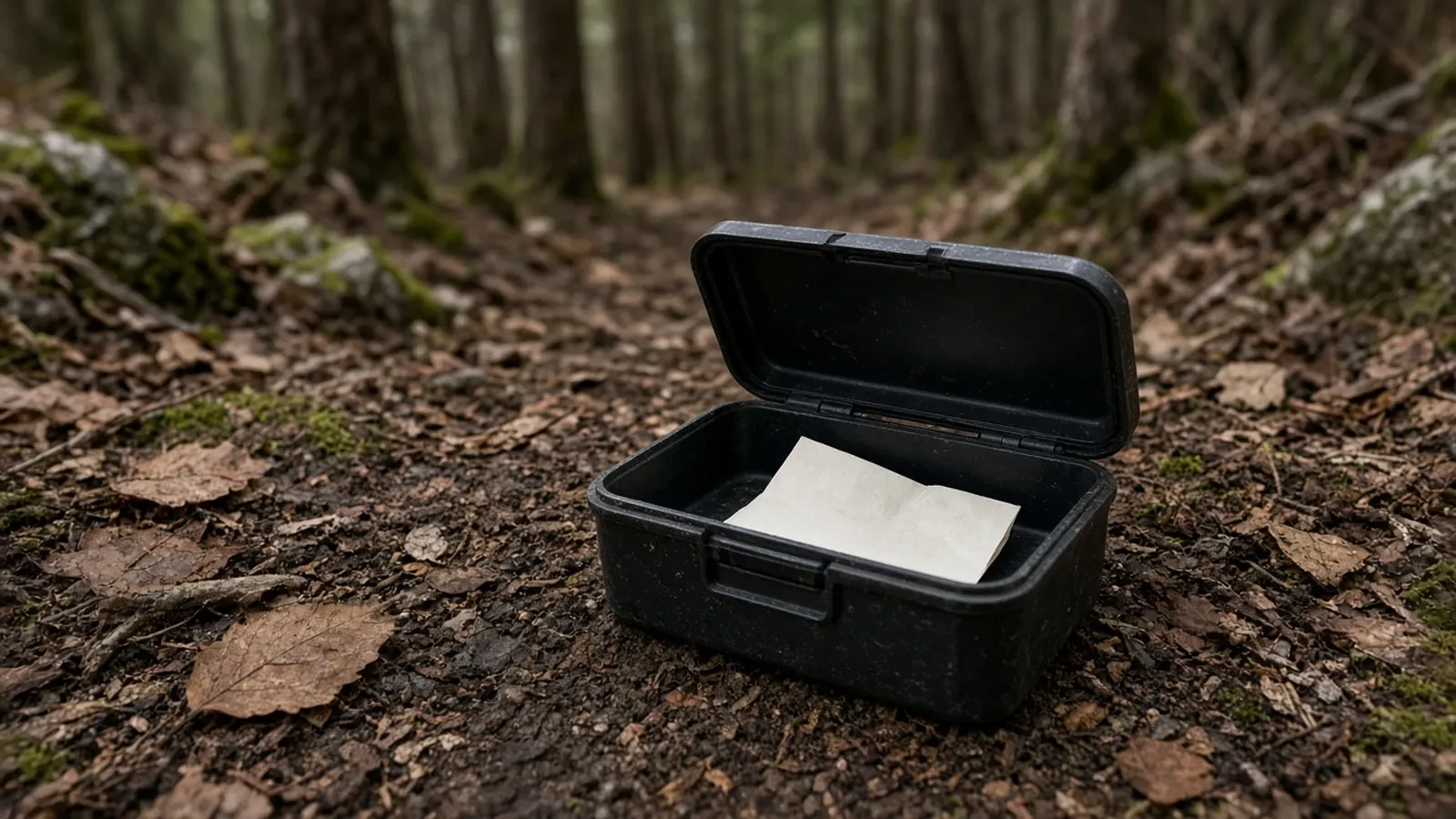
A geocaching outing breaks when four teams are planned and fourteen people arrive expecting a GPS slot, or when the cache list was written for twelve and three of those names were still a maybe on Friday. Cache routes, the team each finder joins, and the finds you will actually log are set before the first coordinate. The host does not add a fifth team because a neighbor decided to hunt after the sheet closed. This is geocaching, GPS coordinates leading to a hidden container you log, not orienteering with a paper map race, not metal detecting, and not a scavenger hunt with a printed clue sheet. A maybe does not hold a team spot.
You can create a geocaching outing RSVP that fills the teams you will actually start, records who is hunting and who is only watching, and stops when those spots are full.
Count the finders the teams can hold
Plan the route before you send the link. Write down how many caches you will visit, how many people fit on one team before the logbook becomes a crowd, and whether each team needs its own phone with GPS. If you can run four teams of three, that number is your cap: twelve finders, not a parade trampling one hide.
A geocaching spot is one finder on a named team, with a phone or GPS, and a turn at the log. You navigate to the coordinate, search the hide, sign the log, and replace the cache as found. There is no compass race course, no metal detector sweep, and no list of riddles taped to lampposts. Ask whether a person who will not hunt can wait at the trailhead, and whether that person still counts toward the cars you reserved. Pick one rule and write it on the page. Watchers stay off the team list. They do not claim a log signature or turn a team of three into six at one hide.
Ask the last time you can change the headcount without losing the parking plan. If the host locks the list on Thursday for a Saturday morning start, that Thursday is your lock. Write the finish too: named teams, a set number of caches, phones charged when the last find on your line is logged. A fifth team "if another phone shows up" is not a plan.
Set a capacity limit on hunting seats, not on everyone who was invited to tag along. When the twelfth spot is taken, the form should say the outing is full. If the teams are already written, a late finder is not on these routes.
The find line is a number, not a vibe
Name the loop you will finish and stop there. A clear line is five caches on one trail loop, logged and replaced, and a return to the lot by the time you named. Hunting until dark across three parks is a different outing, and you should not mix a short loop with an all-day multi-cache in the same start. Orienteering, with stamped controls and a timed course, is a different event. So is metal detecting on a beach, and so is a scavenger hunt with printed clues.
Put five finds on the form as the loop you will finish, not a vague "until people get tired." If the outing is one loop through those five caches, that is the line. People who want to keep driving to the next park will leave the rest of the group waiting at the lot. You need a yes to this team, this route, and this find line before you share coordinates.
Weather, and who arrives when
Outings go wrong when the trail is wet and half the team is still parking. Ask each finder to confirm their team and the arrival window for the lot. A guest who is only waiting in the car does not get a log turn.
Add a weather contingency so a storm call is a written rule, not a debate at the trailhead: go, shorten the loop, or stop. Collect arrival time windows so the first coordinate is not held for a late car. Write what happens if someone misses the start: the spot goes to a standby already at the lot, or the team leaves short and the late car does not cut into a hide already logged.
The moment the teams are locked
The meeting point is the lot you named, not "the park" with no trailhead marked. Put your phone on the page. A message in the group chat is not a team assignment. You match names to teams.
Tie the deadline to the route plan, the day the finder count cannot change. After that, a late yes is a call about a cancellation, not a promise of another team. If you want names ready when a finder drops, keep them as standbys and tell them they do not have a spot until you write back. A maybe does not hold a team spot.
Export the list the morning you lock: attending or not, which team, arrival window, weather rule, and phone. A geocaching RSVP is finished when every team has its named finders, the find line is five caches, and a late arrival knows whether they are hunting or waiting at the lot.