
Fossil Hunt Outing RSVP Website: Tool Counts, a Site Cap, and a Tide Cutoff
A fossil hunt outing RSVP has to lock a tool kit and a site place before the group leaves for the beach, because a maybe does not hold a permitted spot when the tide window can close.
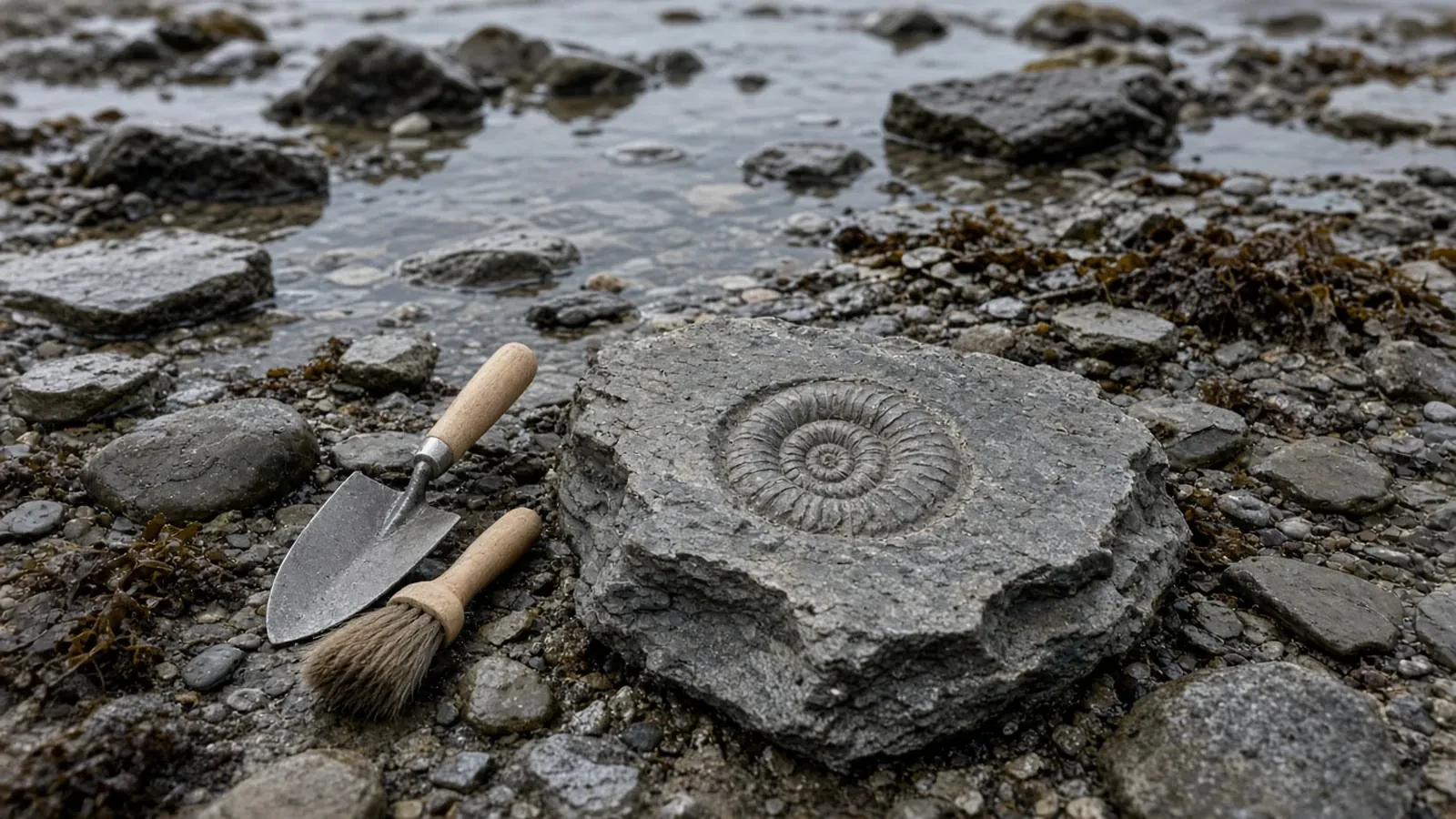
A fossil hunt outing breaks when the permit allows fifteen collectors on the beach, the tide opens the bed for a short window, and twenty-two people answer yes after the site roster is sent. Permits, hand tools, buckets, the tide table, the path down to the shore, and the hour everyone must be back above the high mark are set before the group leaves the parking lot. The organizer does not add a sixteenth collector or stretch the visit because a friend decided to come after the list closed. This is a permitted collecting trip with a closing tide, not an open afternoon on the rocks. A maybe does not hold a place on the roster.
You can create a fossil hunt outing RSVP that counts collectors, records emergency contacts, and closes when the site cap is reached.
Count tools, permits, and people who will actually collect
Read the permit before sending the invitation. Many coastal beds limit the size of the group, the kind of tool, and what may leave the beach. If the permit names fifteen people and allows hand tools only, that is the plan. A rock hammer you happen to own does not expand the permit, and a guest who “will just watch from the cliff†still counts if the permit is a headcount on the site. Write the rule in plain language: who may collect, what stays put, and which tools are banned.
Walk the kit, not a wish list. Safety glasses, gloves, a small trowel or the hand tool the site allows, one bucket per collector, a printed copy of the permit, a tide chart, drinking water, and a first-aid kit are the count. If you have twelve pairs of glasses, you do not have fifteen ready collectors unless three people are bringing their own and you have recorded that. A cracked bucket and a hammer the permit forbids are not backups.
The permit maximum, and whether watchers count toward it
Tools the site allows, and tools you will turn away at the car
Glasses, gloves, buckets, water, and the first-aid kit
Seats in the cars that are actually going, which can be tighter than the permit
The tide window: when the bed is open, and when the return water reaches the mark you chose
A fossil hunt place is one named collector with a tool kit, a spot on the permit roster, and a plan to leave with the group. A guest who wants a photo from the sand is still a person on a narrowing beach. Ask who will collect, who is only accompanying a child, and whether a late guest accepts a parking-lot wait if the roster is full. Collectors stay inside the number on the permit. They do not join because the beach looks empty at ten in the morning.
The site cap and the tide cutoff
Fifteen on the permit means fifteen names, including older children who will carry a bucket. If the cars you have only move twelve people with their kits, the car count wins and the cap drops to twelve. Do not invent a second trip the same day. The bed is only open once between tides. Set a capacity limit for collectors, not for every friend who might like the photos later. When the last permitted place is taken, the form should say the fossil hunt is full.
The tide cutoff is a clock, not a feeling. Name the decision: you meet only if the morning check shows the bed will be exposed by the start time, and every person is off the collecting line before the return tide reaches the rock or post you named. Put that hour on the form. A guest who is still tapping a nodule at the cutoff is a safety problem, not a dedicated collector. A later visit is a different tide, a different permit check, and a new RSVP.
Add a weather contingency to the RSVP for the cases the tide table does not cover. Rain on a soft cliff, lightning, or a surf forecast that puts water on the bed early are reasons to cancel at the named review time, before anyone drives to the lot. Say who makes the call, where the notice goes, and that a postponed hunt is a new roster, not an automatic transfer of the old yes.
Emergency contacts belong on the roster
Coastal sites drop phone service behind the headland, and the walk back is slower than the walk down. Collect an emergency contact on the RSVP so each collector has a current name and number written down before the cars leave, not saved only in someone else’s phone. Record who is collecting, who is accompanying, and who needs a slower route or cannot do the scramble from the parking area. Uneven rock is the site. Do not assign a place that looks open on the permit if that person cannot reach the bed and still make the tide cutoff.
Tell people what “done†means for a find. A pocket specimen the permit allows is fine. A slab that needs three people and a second hour is not the plan. If the site says look but do not remove, the RSVP should say that before anyone packs a bucket. The organizer’s phone goes on the page. A group chat message from the beach is not a roster.
The moment the permit list is locked
Tie the deadline to the permit, the tide chart, and the car seats. If the site host or the agency wants names by Wednesday for a Saturday low tide, Wednesday is your lock. After that, a late yes is a call about a cancellation, not a promise of a bucket. Standbys can be listed, and you tell them they are not on the beach until you write back. A maybe does not hold a permitted spot.
The meeting point is the parking area, the check-in time, and the walk down you named, not “we will be somewhere on the shore.†You match names to collectors, tool loan or bring-your-own, car assignment, emergency contact, the site cap, the tide cutoff, and a phone. Export the list the morning you lock: attending or not, collector count, tool note, emergency contact, access limit, weather decision, and phone.
A fossil hunt outing RSVP is finished when every permitted place has a named collector, the tide cutoff has an owner, and a late guest knows whether they are on the roster, waiting in the lot, or waiting for a cancellation.