
Foraging Walk RSVP Website: Guide Spots, a Bag Cap, and a Plant Line
A foraging walk RSVP has to lock a permit spot and a bag before the gate opens, because a maybe does not hold a spot on the permit.
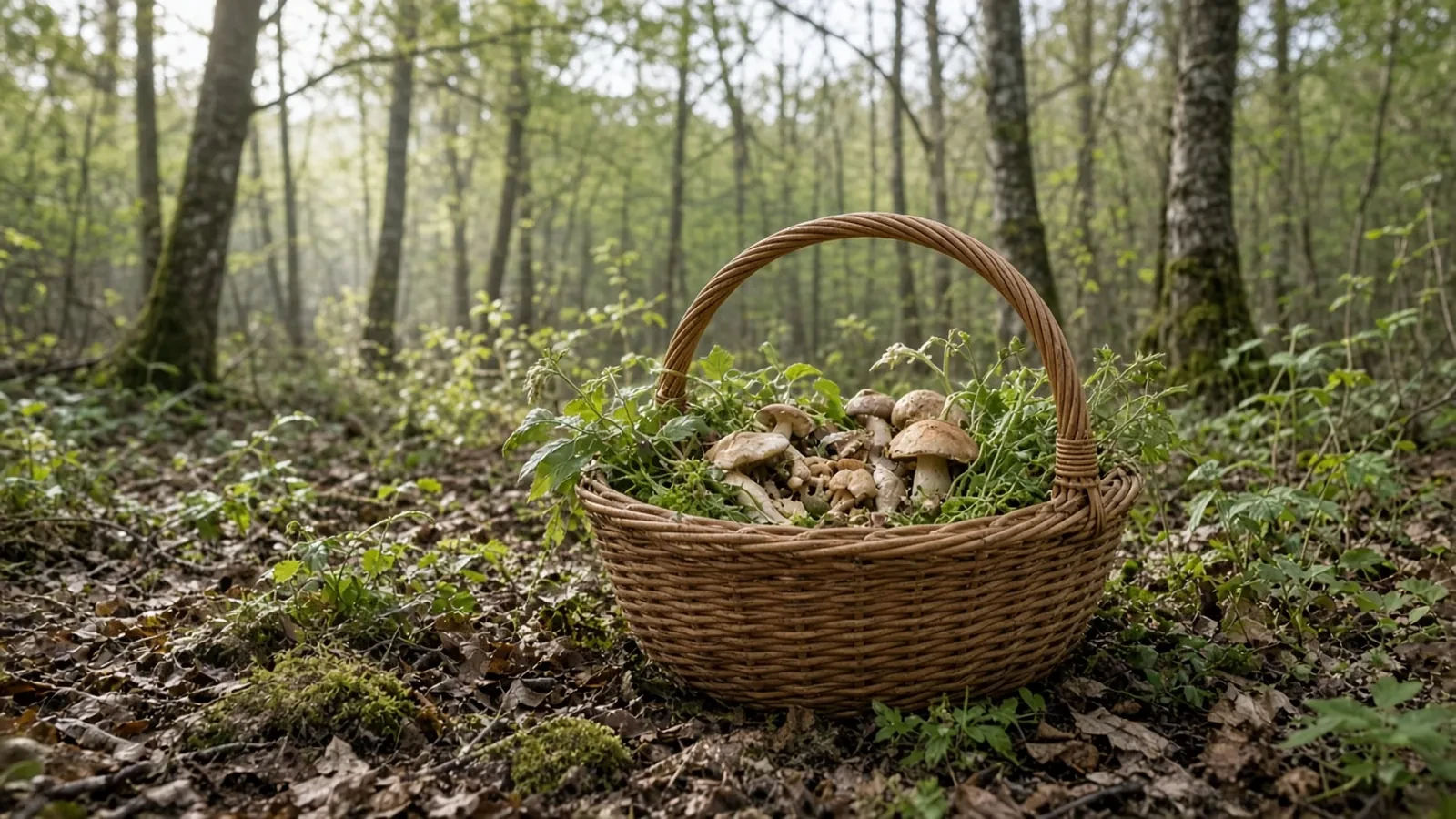
A foraging walk breaks when the guide's permit covers ten people and fourteen are at the trailhead, or when someone who said maybe arrives after the group has left the gate and expects a bag the guide already assigned. Guide spots, the bag each person may carry, and the plant line you agreed to are set before anyone steps off the path. The guide does not add a body because a friend decided to come after the permit count closed. A maybe does not hold a spot on the permit.
You can create a foraging walk RSVP that fills the spots the guide and the landowner will allow, records who can walk that route, and stops when the permit is full.
Ask what the land will actually allow
Call the guide before you send the link. Write down the permit or landowner cap, how many people one guide will take, how far the walk is, how long it runs, what each person may carry out, and which gate you must use. If they say ten people, one guide, a short loop, and one small bag each, those numbers are your cap. Do not guess from the size of the woods. The bag is the amount the guide named, not what someone feels like picking.
A spot is one person on the permit, not one car and not one family under a single name. Ask whether a child still counts against the cap, the age the guide will take, and whether a shorter stop at the gate is a different list with a different cap. Pick one walk and write it on the page. If the guide offers both a full loop and a short gate meeting, those are two lists. Do not mix them and sort people out at the trailhead.
Ask the price, whether the guide supplies bags, what shoes and long pants they require, and the last time you can cut the count without paying for a permit they already filed. If they charge for a no-show after that time, print that rule on the page. A name on the permit is not a spare for a walk-in. Write the land rule they gave you: people take only what the guide cuts or names, in the amount they named, and they do not range ahead of the group.
Set a capacity limit on people who will walk, not on everyone who was invited. When the last permit spot is taken, the form should say the walk is full. A friend who might come still needs a spot the guide is staffed to lead. If the landowner has already counted your group, they are not on this walk.
The plant line is a yes or a no, not a vibe
Ask the guide what this walk covers, whether anyone may taste only what the guide hands them, and whether mushrooms are in or out. Put that list on the page in plain words. Each person confirms they will follow that list, or they do not take a spot. Do not add a box for plants the guide did not name.
If the guide will not run a mushroom walk, say that. People who want to hunt on their own should not take a spot and then peel off into the woods. You need a yes or a no before the gate opens. A preference the guide will not teach should not be on the form. Nobody tastes a plant the guide did not hand them. Print that sentence on the page.
Roots, weather, and a group that stays together
Most of these walks are uneven, rooted, and too narrow for a stroller. Ask about access needs the route can actually meet: a shorter flat section if the guide has one, or a seat at the gate. If the whole loop has roots, mud, and no turnaround until the end, say that.
Add a weather hold the guide actually uses. Lightning, ice, or a closed gate can cancel the day. Write the rule: the walk moves or it is off, and a permit spot is not a promise to enter land the owner has closed.
The moment the permit list is locked
The meeting point is the trailhead or farm gate the guide named, not a pin someone dropped in the group chat. Put the host's phone on the page for the person holding the reservation. A screenshot of the invite is not a permit. The person at the gate matches names to the count you sent before the group leaves.
Collect an arrival window that matches the departure, not a vague morning. The window might be 8:30 to 8:40 at the gate. Write the clock time and what happens if someone is later than that: the group leaves, and it does not hike back.
If you allow a guest, that person needs their own permit line, their own plant-line answer, and their own arrival window. Track them as a separate yes. One form that hides an extra walker will blow the landowner's cap. Say that on the page. Children count if the guide said they count. Write the age rule next to the question.
Tie your RSVP deadline to the guide's final count, the day they file the list or lock the gate time. After that, a late yes is a call about a cancellation, not a promise of another spot. If you want names ready when someone drops, keep them as standbys and tell them they do not have a permit spot until you write back. A maybe does not hold a spot on the permit.
Export the list the morning you lock: attending or not, full loop or short stop, party size, arrival window, access note the guide agreed to, and phone. A foraging walk RSVP is finished when every permit spot has a named person, the plant line matches a walk the guide will actually lead, and a late car knows whether they are walking in or going home.