
Canoe Outing RSVP Website: Paddle Counts, a Hull Cap, and a Weather Cutoff
A canoe outing RSVP has to lock a paddle and a hull before the shuttle leaves, because a maybe does not hold a paddle.
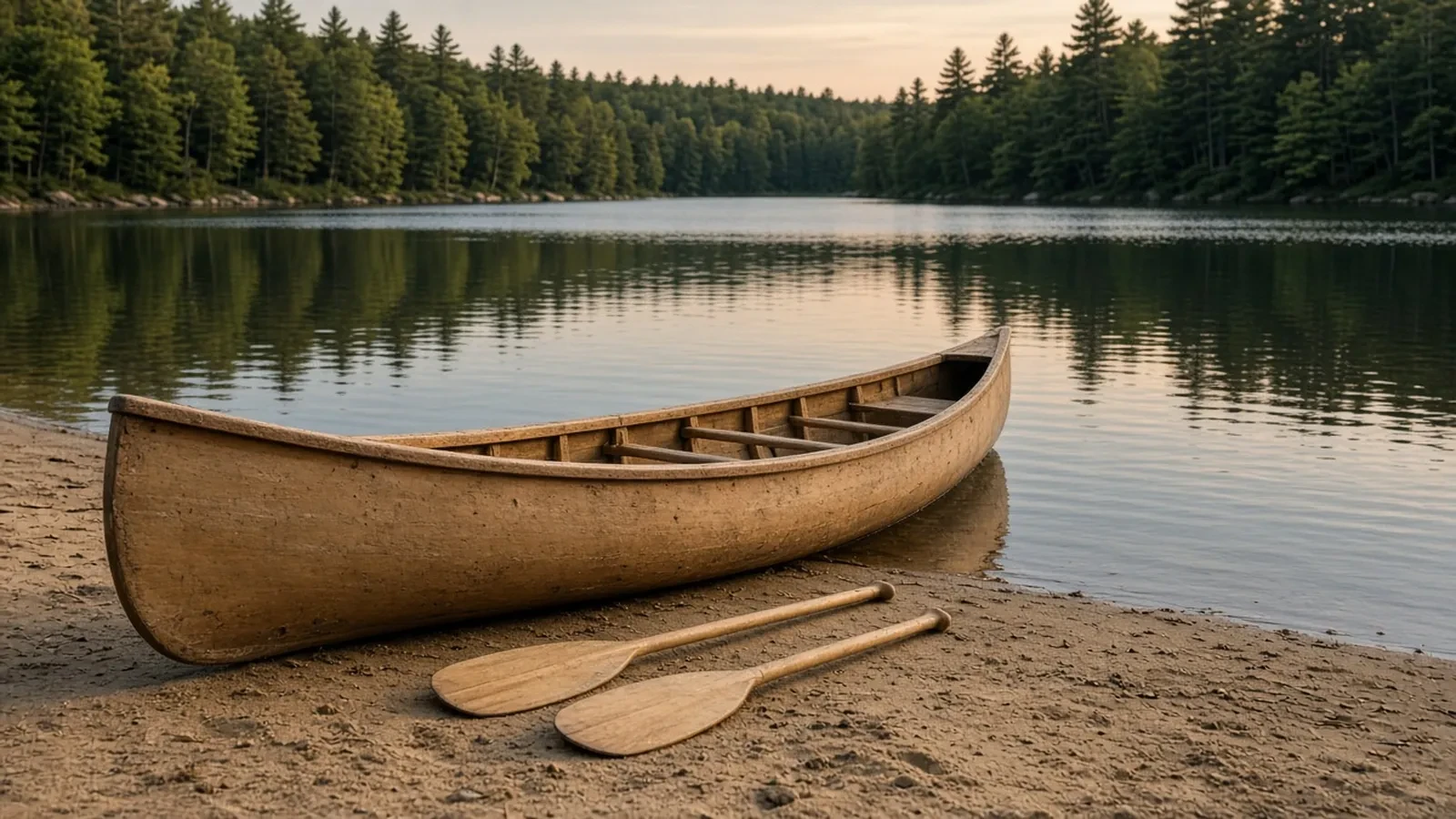
A canoe outing breaks when the livery has six tandem hulls and sixteen people arrive expecting a paddle, or when the launch list was built for twelve and three of those names were still a maybe on Friday. Paddles, the hull each pair sits in, and the wind number you will actually launch in are set before the trailer leaves the lot. The host does not invent a seventh canoe because a neighbor decided to paddle after the sheet closed. This is a tandem canoe trip on a reserved stretch, not a paddleboard launch and not a sail. A maybe does not hold a paddle.
You can create a canoe outing RSVP that fills the hulls you will actually launch, records who is paddling and who is only riding along, and stops when those hulls are full.
Count the paddlers the hulls can hold
Walk the livery before you send the link. Write down how many tandem canoes are reserved, whether each hull has a bow seat and a stern seat, and whether a spare hull is gear only. If you can launch six canoes for a three-hour float, with two paddlers in each, that number is your cap: twelve paddles, not a crowd on the bank.
A canoe is two paddles and one hull, not one friend who likes the river. Ask whether a person who will not paddle can ride in the follow car, and whether that person still counts toward the number the livery allows on the ramp. Pick one rule and write it on the page. Riders stay off the gunwales. They do not claim a thirteenth paddle or turn a tandem into a crowded third seat.
Ask the last time you can change the boat list without losing the reservation. If the outfitter locks the hulls on Wednesday for a Saturday put-in, that Wednesday is your lock. Write the finish too: one paddle, one bow or stern seat, boats off the water by the time on the permit. A second float "if a canoe comes back early" is not a plan.
Set a capacity limit on paddling seats, not on everyone who was invited to watch the launch. When the last stern seat is taken, the form should say the outing is full. If the launch list is already written, a late pair is not in these hulls.
The weather cutoff is a number, not a vibe
Name the water and the conditions you will launch in and stop there. A clear line is the river stretch you reserved, a tandem canoe with a bow paddle and a stern paddle, and a cutoff you can read on a forecast: sustained wind over the number the outfitter gave you, or a river stage above the mark on the gauge. Stand-up boards, a sail that needs a different dock, and a whitewater clinic that needs a guide per boat are a different outing with a different permit.
Put the decision time on the form as the hour you will call the float or cancel it. If you read the forecast at 6:00 for an 8:30 put-in, that is the line. People who want to "see how it feels at the ramp" will leave you loading boats you should have left on the trailer. You need a yes to this paddle, this hull, and this cutoff before you print the launch sheet.
Households, and a phone if the river changes
Outings go wrong when one yes hides a whole family. One paddler who brings a partner and a child is one seat, a second seat, and a third body who may not fit a tandem. Ask for each paddler's name, whether they take bow or stern, and how many people will be in the follow car. A child who is only watching the put-in does not get a paddle.
Add a weather contingency so the page says what happens if the wind or the gauge crosses the line: the float moves to the backup date, or it is canceled and the boats stay on the trailer. Collect an emergency contact for each paddler, someone who is not in the same canoe. Write what happens if someone misses the put-in: the seat goes to a standby paddler already at the lot, or it stays empty and the late car does not chase the group downriver.
The moment the launch is locked
The meeting point is the put-in ramp you named, not "the river" with no side of the lot. Put your phone on the page. A message in the group chat is not a boat assignment. You match names to bow and stern.
Tie the deadline to the outfitter, the day the hull count cannot change. After that, a late yes is a call about a cancellation, not a promise of another canoe. If you want names ready when a paddle drops, keep them as standbys and tell them they do not have a seat until you write back. A maybe does not hold a paddle.
Export the list the morning you lock: attending or not, bow or stern, party size in the follow car, emergency contact, and phone. A canoe RSVP is finished when every seat has a named paddler, the weather cutoff is the number you will actually obey, and a late car knows whether they are loading a hull or turning around.