
Block Printing Party RSVP Website: Stamp Counts, a Bench Cap, and a Print Line
A block printing party RSVP has to lock a stamp kit and a bench before the first pull, because a maybe does not hold a stamp kit.
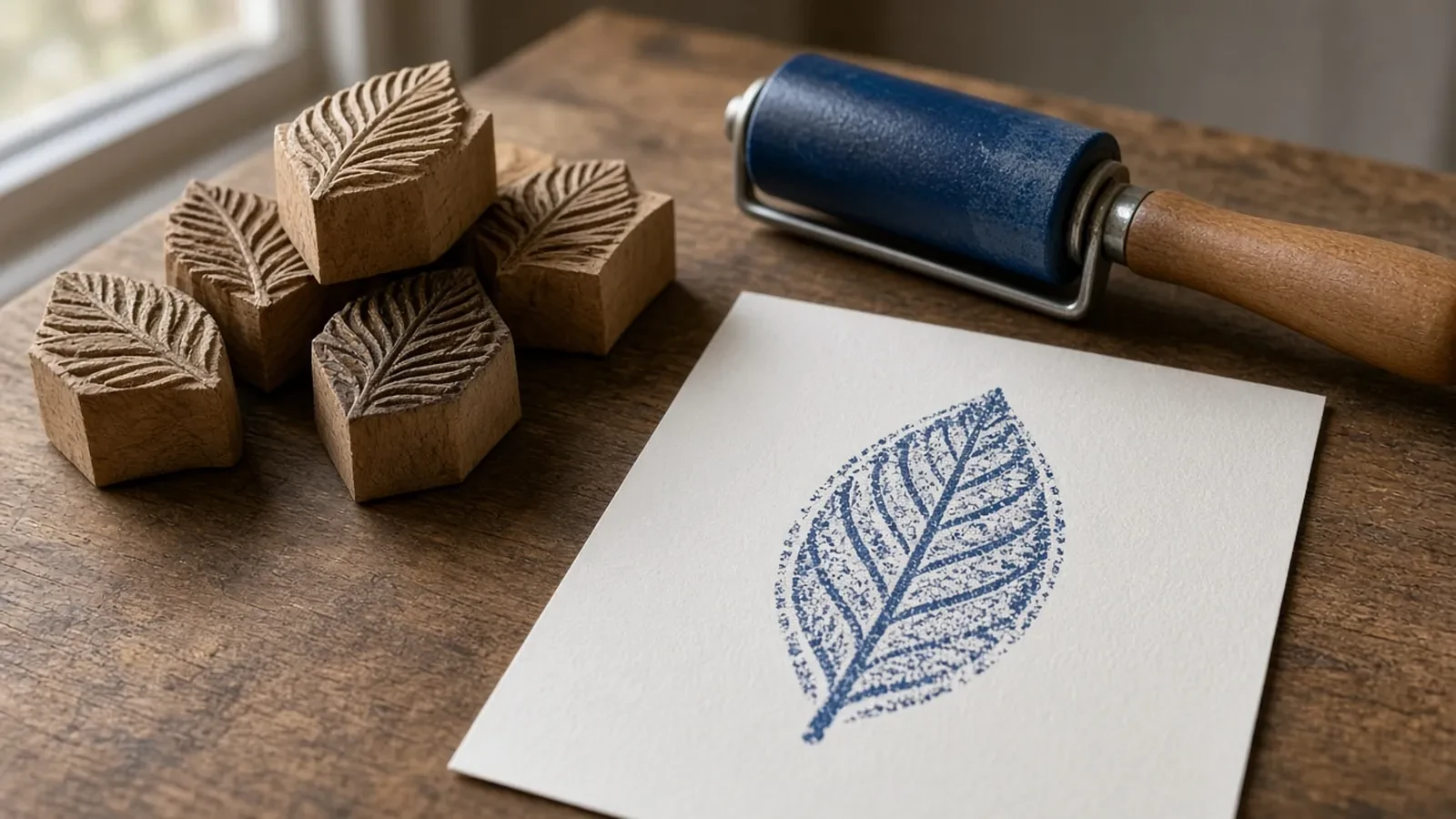
A block printing party breaks when eight benches are set and fourteen people arrive expecting a carved stamp kit, or when the ink order was built for eight and three of those names were still a maybe on Friday. Stamp kits, the bench each printer uses, and the number of pulls you will actually stop at are set before the first press of a block. The host does not open a ninth kit because a neighbor decided to print after the sheet closed. This is hand-carved rubber or linoleum stamps pressed by hand onto paper, not a press-driven printmaking class and not letterpress type locked in a chase. A maybe does not hold a stamp kit.
You can create a block printing party RSVP that fills the benches you will actually set, records who is carving and printing and who is only watching, and stops when those seats are full.
Count the printers the benches can hold
Walk the room before you send the link. Write down how many benches or table spots you can set without elbows hitting wet prints, how many carved stamp kits are already cut and inked, and whether a spare kit is a replacement for a cracked block or a ninth printer. If eight benches can each take one printer, that number is your cap: eight printers, not a crowd sharing one stamp and one brayer.
A block printing station is one stamp kit, one ink pad or brayer plate, and one chair. You carve or use a pre-carved stamp, roll a thin ink film, press the block onto paper, and lift a clean pull. There is no etching press bed, no type case, and no shared ink tray that becomes someone else's print. Ask whether a person who will not print can watch from a chair away from the wet racks, and whether that person still counts toward the number the room can hold. Pick one rule and write it on the page. Watchers stay off the bench. They do not grab a stamp "for one pull" or start a second kit just to see the pattern.
Ask the last time you can change the kit order without paying for stamps and paper you cannot return. If the supplier locks the paper and ink order on Monday for a Saturday party, that Monday is your lock. Write the finish too: one kit, one named printer, blocks wiped only when the pulls you named are done, bench cleared when the rack is full. A ninth stamp "if a spare linoleum square turns up in the drawer" is not a plan.
Set a capacity limit on printing seats, not on everyone who was invited to watch the drying rack. When the eighth seat is taken, the form should say the party is full. If the kits are already assigned, a late printer is not at these benches.
The print line is a pull count, not a vibe
Name the run you will finish and stop there. A clear line is one stamp, a set number of pulls, and a stop at "six clean sheets racked and the block wiped," not a full edition for every guest's holiday card list. Printing until every scrap of paper is covered is a different workshop, and you will not finish it in this block of time. A printmaking class, with a press and editions on a bed, is a different party. So is letterpress, with type locked in a chase and a platen press.
Put that pull count on the form as the point you will stop, not a vague "until the ink looks good." If the party ends when six pulls are racked and the block is cleaned, that is the line. People who want to keep pressing until the paper is gone will still be inking when the room has to close. You need a yes to this kit, this bench, and this print line before you hand out stamps.
Who can sit the bench, and who needs a different chair
Parties go wrong when the seat is a surprise. Block printing means sitting for a stretch, pressing with steady hand pressure, and working around wet ink. Ask whether someone needs a taller chair, a standing-height table instead of a low bench, or a spot with room for a drying rack that does not brush a neighbor's sleeve. A guest who cannot sit through the block does not get assigned a carved kit they will abandon halfway.
Collect seating preferences so you know who needs an end seat and who wants the stamp on a higher table. Ask about accessibility needs before you assign kits: a chair with or without arms, a larger-grip carving tool if anyone is cutting their own stamp, and a path that is not blocked by a drying rack. Write what happens if someone misses the start: their kit goes to a standby already in the room, or it stays on the shelf and the late guest does not begin a second stamp.
The moment the kits are locked
The meeting point is the room you named, not "the craft studio" with no bench marked. Put your phone on the page. A message in the group chat is not a kit assignment. You match names to stamp kits.
Tie the deadline to the kit order, the day the printer count cannot change. After that, a late yes is a call about a cancellation, not a promise of another stamp. If you want names ready when a printer drops, keep them as standbys and tell them they do not have a kit until you write back. A maybe does not hold a stamp kit.
Export the list the morning you lock: attending or not, which bench, seating note, accessibility note, and phone. A block printing RSVP is finished when every bench has one named printer, the print line is the pull count you will actually stop at, and a late guest knows whether they are printing or watching from the chair.