
Bird Watching Outing RSVP Website: Trail Spots, a Quiet Cap, and a Dawn Start
A bird watching outing RSVP has to lock a place on the trail before the guide books the group, because a maybe does not hold a spot.
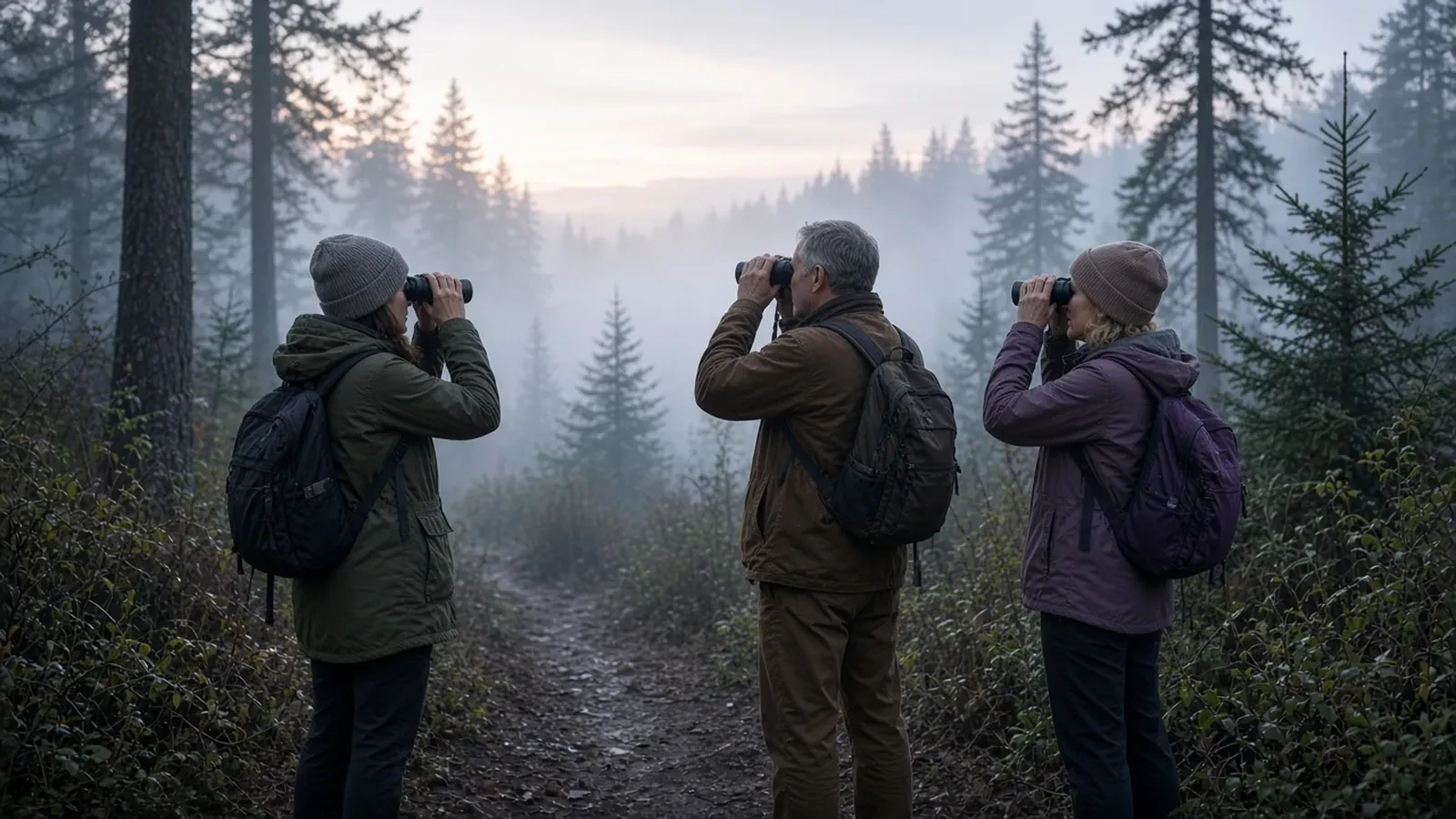
A bird watching outing breaks when the guide booked a trail for ten and fifteen people show up at the trailhead, or when someone who said maybe arrives after the group has already walked in and expects the birds to still be where the guide left them. Trail spots, the quiet cap, and the dawn start are set before the guide confirms the date. The refuge does not add a second guide because a friend decided to come after the list closed. A maybe does not hold a spot.
You can create a bird watching outing RSVP that fills the trail spots the guide will take, records who needs a loaner pair of binoculars, and stops when that group is full.
Ask what the guide will actually take
Call the guide or the refuge before you send the link. Write down the maximum group size, the meeting point, the clock time you must be there, how long the walk is, the distance and the footing, and whether a van is part of the trip or everyone drives themselves. Those numbers are your cap. Do not guess from a wide trail on a map.
A spot is one person walking with the group, not one car and not one family. Ask whether a child counts toward the cap, the age the guide will take, and whether a stroller is allowed on that trail. If the guide keeps the group small so birds are not flushed, print that number and do not round up. A group of ten that becomes fourteen is a different outing than the one you booked.
Ask the price, what is included, how many loaner binoculars they have, and the last time you can cut the count without paying for spots the guide already held. If they charge for a no-show after that time, print that rule on the page. Cap loaner binoculars at the number they will bring. People who have their own glass should say so, so you do not hold a pair they will not use.
Set a capacity limit on people who will walk, not on everyone who was invited. When the last spot is taken, the form should say the outing is full. A friend who might come still needs a place in a group the guide can keep quiet. If the guide has already counted your group, they are not on this trail.
Quiet, dawn, and a trail that does not wait
The point of the cap is quiet. Put the guide's rules on the page: phones on silent, no playback of bird sounds unless the guide does it, no dogs if the refuge forbids them, and voices kept down on the path. Each person confirms they can follow that. A guest who wants a social walk should not take a spot on a birding list.
Dawn is a clock time, not a mood. If the group meets at 6:15 at a named trailhead, write 6:15 and the name of the lot. Collect an arrival only if the guide gave you a short window, such as 6:05 to 6:15. A person who is later than the leave time does not get the group to wait in the open where the birds were. Say whether the guide will leave a map pin for late arrivals or whether a late person simply misses the walk.
Weather and the cars that fit in the lot
Add a weather cutoff before you treat the date as fixed. Guides cancel for high wind, heavy rain, lightning, and fog that makes the trail unsafe. Ask who makes that call and by what time the night before you will know. Write the backup on the page: a new date, a refund of spots you have not used, or a cancel with no substitute. A rainy maybe is not a held spot for next Saturday unless the guide said the booking moves.
If the lot holds fewer cars than people, collect transportation preferences that match the spaces you have: driving and can take passengers, needs a seat, or meeting on site with their own car. Cap passenger seats at the number of real seats people offered, not at the number of friends who would like a ride. Give the driver a count before the morning of the walk.
The moment the trail list is locked
The meeting point is the trailhead or lot the guide named, with a pin if the refuge has more than one entrance. Put the host's phone on the page. The guide matches names to the count you sent before anyone walks in.
If you allow a guest, that person needs their own spot, their own binocular answer, and their own ride plan. Track them as a separate yes. One form that hides an extra walker will blow the guide's cap. Say that on the page. Children count if the guide said they count. Write that rule next to the question.
Tie your RSVP deadline to the guide's final count, the day they lock the group. After that, a late yes is a call about a cancellation, not a promise of another spot. If you want names ready when someone drops, keep them as standbys and tell them they do not have a spot until you write back. A maybe does not hold a spot.
Export the list the evening you lock: attending or not, loaner binoculars or own pair, ride or own car, arrival, and phone. A bird watching RSVP is finished when every spot has a named person, the car count fits the lot, and a late arrival knows the group will not be waiting at the sign.