
Beekeeping Visit RSVP Website: Suit Counts, a Hive Cap, and a Sting Line
A beekeeping visit RSVP has to lock a suit and a hive spot before the lid comes off, because a maybe does not hold a suit.
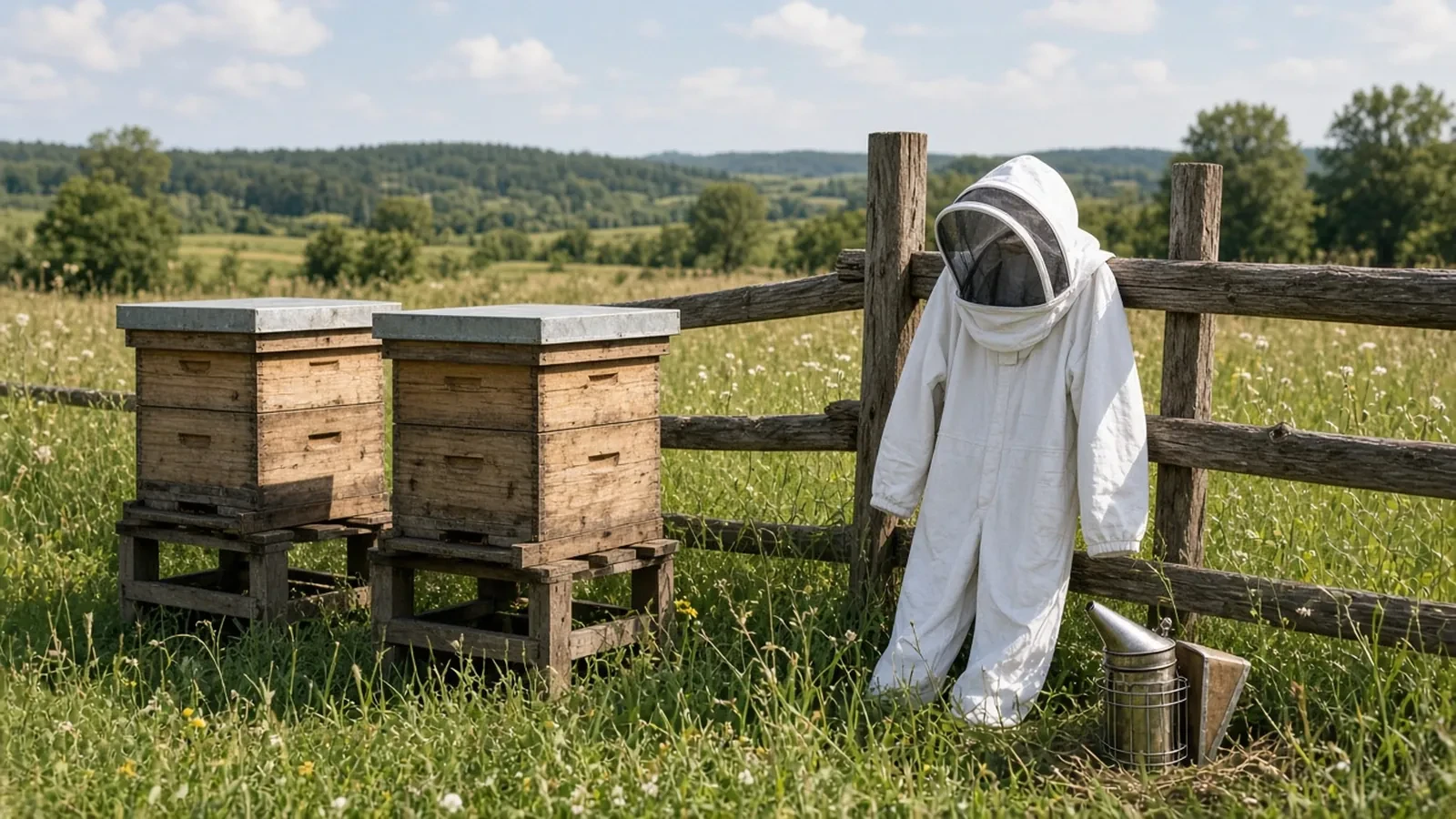
A beekeeping visit breaks when the beekeeper pulled eight suits and twelve people are in the apiary, or when someone who said maybe arrives after the hives are opened and expects a veil that was already assigned. Suits, how many people can stand at one open hive, and the sting line you agreed to are set before the first lid comes off. The beekeeper does not open another hive because a friend decided to come after the suit count closed. A maybe does not hold a suit.
You can create a beekeeping visit RSVP that fills the suits the beekeeper will lend, records who can stand at an open hive, and stops when those suits are gone.
Ask what the apiary will actually open
Call the beekeeper before you send the link. Write down how many full suits and veils they can lend, which sizes those veils are, how many hives they will open, how many people may stand at one hive, how long the visit runs, and whether a person without a suit can watch from a marked line. If they say eight suits, two hives, and four people at a hive, those numbers are your cap. Do not guess from the size of the field.
A suit is one person at the hive, not one car and not one family sharing a veil. Ask whether a visitor still needs their own suit, the age the beekeeper will take into the apiary, and whether a watch-from-the-gate group is a different list with a different cap. Pick one visit and write it on the page. If you are doing both a suited hive opening and a gate-only watch, those are two lists. Do not mix them and sort people out when the smoker is already lit.
Ask the price, whether gloves are included, whether closed shoes and long pants under the suit are required, and the last time you can cut the count without paying for a visit the beekeeper already blocked. If they charge for a no-show after that time, print that rule on the page. A suit with a name on the hanger is not a spare for a walk-in.
Set a capacity limit on people who will wear a suit, not on everyone who was invited. When the last suit is taken, the form should say the visit is full. A friend who might come still needs a suit and a place the beekeeper is staffed to watch. If the beekeeper has already counted your group, they are not in this visit.
The sting line is a yes or a no, not a vibe
Ask the beekeeper what the visit includes: an open hive, bees that may land on the suit, a smoker, and frames lifted for a few minutes. Put that list on the page in plain words. Each person confirms they can stand there for the full opening, or they pick the gate watch if one exists and still has a spot.
If the beekeeper will not run a gate watch, say that. People who cannot be around stings, or who will not wear the suit the whole time, should not take a suit. You do not need a diagnosis. You need a yes or a no before the lids come off. A preference the beekeeper cannot host should not be on the form.
Grass, veils, and a day the hives stay closed
Most apiaries are grass, gravel, and a narrow path between hives. Ask about access needs the yard can actually meet: a flat place to stand if one exists, or a chair at the gate. If every path is uneven and there is no step-free way to the hives, say that. A stroller does not belong between open hives. Say that too.
Add a weather hold the beekeeper actually uses. Cold, wind, or rain can mean the hives stay closed. Write the rule: if they will not open below the temperature they named, the visit moves or it is cancelled, and a suit is not owed on a day the bees are not flying. Do not promise a hive opening the forecast already argues with.
The moment the suit list is locked
The meeting point is the gate the beekeeper named, with a note if the driveway is not the apiary. Put the host's phone on the page for the person holding the group reservation. Be there in the window they gave you, such as 10:00 to 10:10. A screenshot of the invite is not a suit. The person at the gate matches names to the count you sent before a lid comes off. The smoker does not stay lit for a car that is later than that window.
If you allow a guest, that person needs their own suit line, their own sting-line answer, and their own place at a hive or at the gate. Track them as a separate yes. One form that hides an extra body will blow the suit count and the number of people the beekeeper will allow at an open hive. Say that on the page. Children count if the beekeeper said they need a suit. Write the age rule next to the question.
Tie your RSVP deadline to the beekeeper's final count, the day they set suits aside. After that, a late yes is a call about a cancellation, not a promise of another veil. If you want names ready when someone drops, keep them as standbys and tell them they do not have a suit until you write back. A maybe does not hold a suit.
Export the list the morning you lock: attending or not, hive or gate, party size, veil size if the beekeeper asked for one, access note they agreed to, and phone. A beekeeping visit RSVP is finished when every suit has a named person, the sting line matches a hive the beekeeper will actually open, and a late arrival knows whether they are walking in or going home.