
Backyard BBQ RSVP Website: Grill Space, Sides, and a Cook's Headcount
A backyard BBQ RSVP has to turn yeses into patties, buns, and claimed sides, because one kettle grill cannot feed a guest list that only exists in a group text.
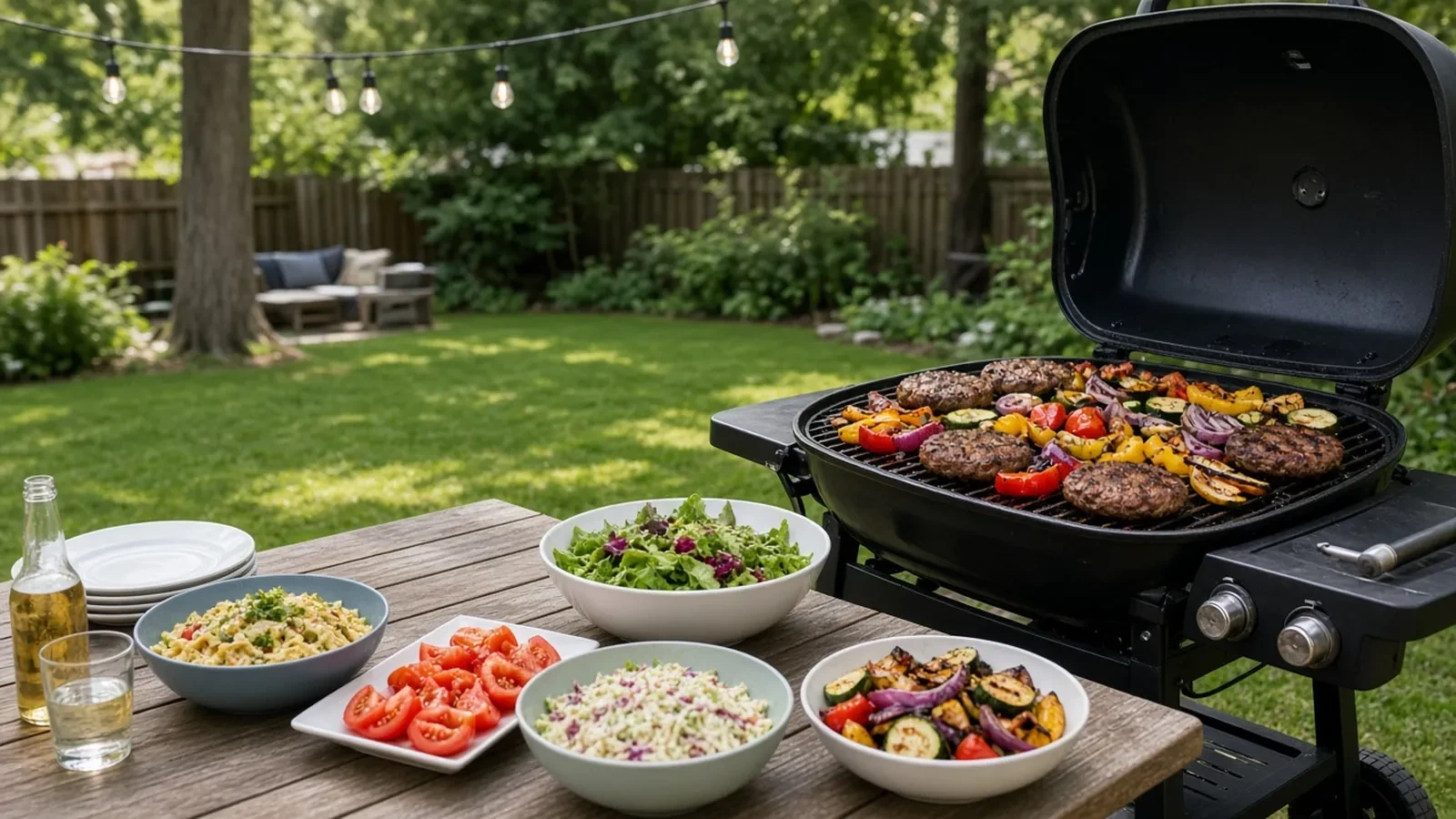
A backyard BBQ RSVP fails when the cook shops for the number of people who were invited instead of the number who will be in the yard while the grill is hot. One kettle has a finite grate. Buns go stale if you buy for a maybe. Nine people who each might bring chips still leave you with no salad and a pile of the same bag. You need names, a real appetite for each person, and a side someone has already claimed.
You can create a backyard BBQ RSVP that asks yes or no, then asks whether that person is eating from the grill and what they are carrying through the gate. A reply that says they will swing by if they are around will not thaw the chicken.
Size the party to the grate, not to the lawn
Stand at the grill before you send the link. A standard kettle cooks a single layer well and a crowded layer badly. If you can fit about a dozen burgers at a time and each round takes a quarter hour once the lid is open and people are talking to you, forty guests eating at one o’clock is a different party from sixteen. Write down how many people you can feed in the first hour, then invite to that number. A large yard does not make the fire larger.
Propane, charcoal, and a second small grill are part of the count. If you only own one tank, admit that before you promise hot dogs for every cousin. If a neighbor is bringing another grill, that person is a named yes. Their grate belongs in the plan only after they have replied, not while the grill is still a rumor in a group text.
This is not a company picnic on a reserved lawn with a caterer and a badge list. A work event has a budget and a park permit. A backyard BBQ has your propane, your neighbor’s window, and a cooler you packed that morning. If the cookout is for the office, use a company picnic RSVP and let them plan family caps and a vendor. If it is your yard, keep the questions on food and chairs.
Ask who is eating, and what they cannot eat
Split every yes into a plate. Adults and kids do not eat the same amount, and a guest who is only dropping someone off should not get a burger in the same count as a guest who is staying through dinner. Ask which of these fits each person.
Full plate — they will eat when the food comes off the grill, and you are buying for them
Kid plate — a smaller portion, still a real burger or dog, not a shrug
Not eating — they are coming after the meal or only stopping at the curb, and they are not in the meat count
Vegetarians and guests who do not eat pork or beef need their own line, because one tray labeled burgers is not a choice. Count those patties separately so they are not tossed onto the same grate at the last minute. Allergies are not preferences. Ask once, with room for a short note, and read the dietary question guide so the form does not turn into a restaurant order. If you are only serving grilled meat, buns, and two sides, say that on the page. People who cannot eat any of it can decide before they drive over.
Buns, cheese, and ice are headcount items even though they feel minor. A pack of eight buns does not stretch because the grill is full. Buy to the full-plate number plus a small extra you can name, not to the size of the thread. Chicken pieces and ribs need a longer start than burgers. If those are on the menu, the deadline has to land early enough for a thaw in the fridge, not on the counter an hour before people sit down.
Make every side a claimed dish
The grill is yours. The rest of the table should not be a surprise. If you ask people to bring food, give them a way to claim it so you do not collect seven salsas and no beans. A dish signup on the RSVP works at a cookout the same way it works at a potluck, with one difference: you are still cooking the main, so the claims should be sides, drinks, ice, and a dessert, not a second protein that shows up raw.
Write the categories you actually need. Something savory, something green, something sweet, and ice or drinks is enough for a yard party. Close a category when it is full. A guest who sees that salad is covered can bring watermelon instead of a third potato salad that will sit in the sun. Tell people to bring the serving spoon. Your drawer will not have twelve of them at two o’clock.
If you would rather buy every side yourself, say “do not bring food†in the same sentence as the time. Mixed signals are how you pay for coleslaw and also accept three more tubs of it at the door. Either the table is a signup or it is your grocery run.
Chairs, dogs, parking, and when the food is actually ready
Count seats the way you count patties. The lawn chairs you own, the picnic table, and a blanket still only hold so many people at once. If guests need to bring a chair, ask for a yes so the yard is not a circle of people standing over a too-small table. If you do not want extra chairs blocking the grill, say you have seating and they should leave the oversized folding chair at home.
Dogs are a grill problem and a neighbor problem. If they are welcome, ask how many, and say whether they must stay leashed and off the patio while food is coming off the fire. If they are not welcome, say that before someone arrives with a dog that has already smelled the burgers. Kids with a kid plate still need a seat that is not under the cook’s elbows. Put that in the household reply so you are not building a kids’ table out of a cooler.
Parking on a residential street should be one line: which side of the block, and whether the driveway is reserved for someone who cannot walk far. An arrival window matters more at a BBQ than at a drop-in drink. Food at one means the cook lights the grill earlier than that. Guests at noon will stand in the kitchen. Guests at three will eat what is left. Ask them to pick a window so the hot food and the people overlap.
Close the list before the shop
Meat, buns, and ice do not forgive an open form. Set the deadline the day before you grocery shop, and say that the shopping happens after the cutoff. A late yes is your choice. If you still have grate space and a spare pack in the freezer, you can add them. If you do not, the form should already be closed so you are not apologizing over a raw patty count.
Export the list the night before: name, full plate or kid plate or not eating, dietary note, dish claimed, chair yes or no, dog yes or no. That sheet is the shopping list and the setup list. A backyard BBQ RSVP is finished when you know how many people the grill is feeding at the hour you named, which sides are already spoken for, and where everyone is going to sit. The sauce can be simple. The count cannot.