
Trail Ride Outing RSVP Website: Horse Counts, a Trail Cap, and a Weather Cutoff
A trail ride outing RSVP has to lock a horse and a supported trail place before the first mount, because a maybe does not hold a safe rider assignment when weather can change.
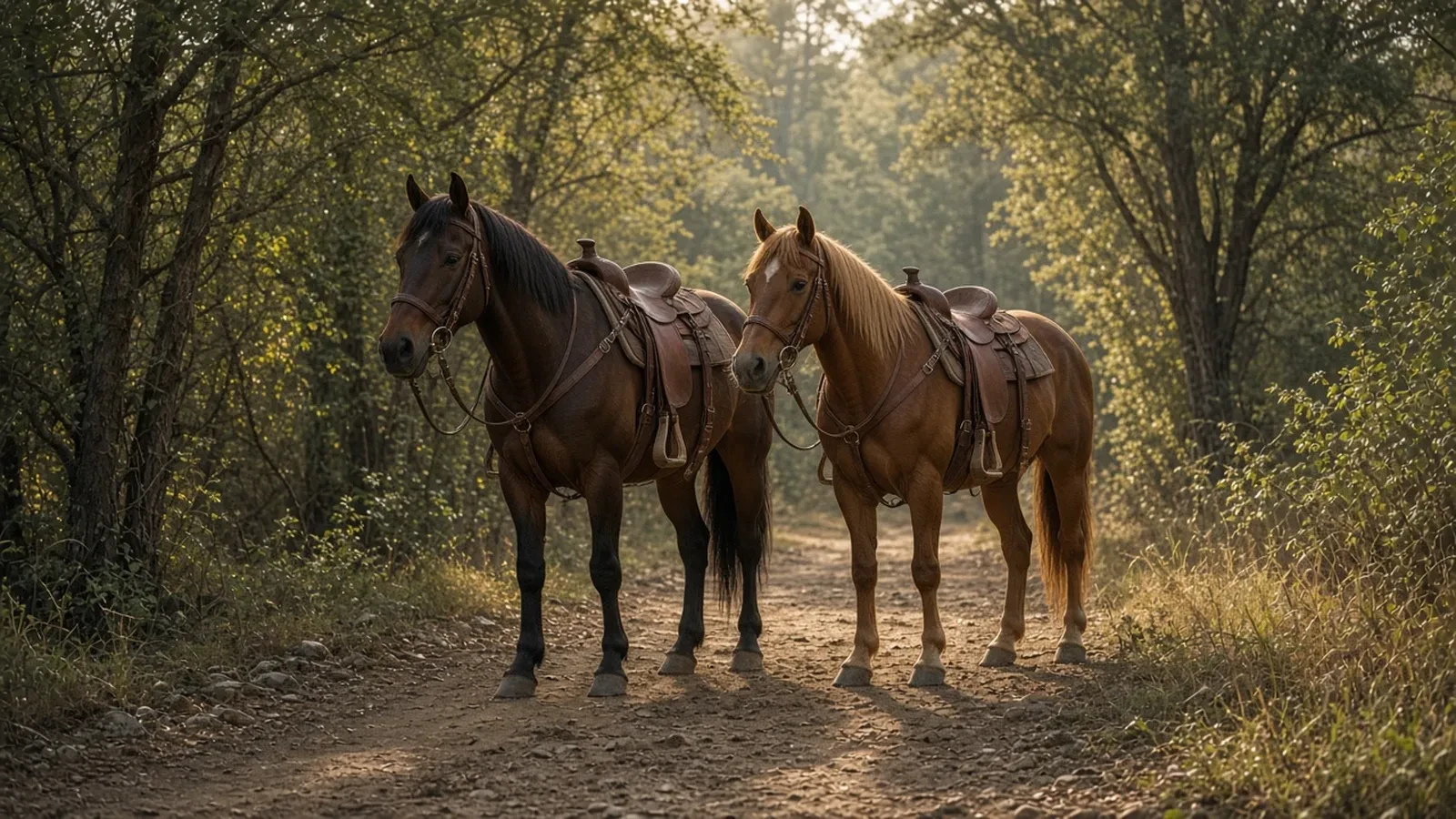
A trail ride outing breaks when the host has eight horses, two experienced leaders, and eleven people answer yes after the trail plan and horse assignments are fixed. Horse fit, helmets, tack, water, trailer space, leader coverage, trail conditions, and the number of riders who can safely stay with the group are set before the first horse leaves the yard. The host does not add a ninth horse or put a new rider into the line because a friend decided to come after the list closed. This is a planned ride with named horses and a managed trail, not a casual visit to the barn. A maybe does not hold a horse place.
You can create a trail ride outing RSVP that counts riders, records emergency contacts, and closes when the trail cap is reached.
Count horses, riders, and supported places
Walk the yard and trail plan with the ride leader before sending the invitation. Write down how many suitable horses are confirmed, which mounts fit each rider’s experience and size, how many helmets and tack sets are ready, and how many riders each leader can safely monitor. If two leaders can manage eight named riders on the booked trail, that number is your ride count: eight riders, not a group that grows at the mounting block.
A trail ride place is one named rider with a suitable horse, required safety gear, and a clear pace and conduct plan. A guest can ride without taking another person’s assigned mount, leader attention, or tack. A companion who stays at the barn is not automatically a rider, but anyone entering the trail group on horseback needs a separate place. Ask whether a household has one rider or two people expecting mounts, and whether a first-time rider needs a different horse or leader plan. Pick one rule and write it on the page. Guests stay within the horses and supported places you counted; they do not join because a horse appears available.
Ask the stable when the final rider count must be fixed for horse matching, feed, tack checks, helmets, insurance records, and leader coverage. If the roster must be final by Thursday for a Sunday ride, Thursday is your lock. Write the finish too: the last horse is untacked, water is provided, and the ride leader completes the return check before the host closes. A ninth rider “if they are comfortable†is not a plan.
Set a capacity limit for riders, not for every person who may watch from the barn. When the eighth rider place is taken, the form should say the trail ride is full. If horses, tack, and leader coverage are already assigned, a late guest is not an unplanned mount.
The weather cutoff is the last safe ride decision
Name the work you will complete and stop there. A clear weather cutoff is the time when the host and ride leader check the forecast and trail conditions and send the go, postpone, or cancel decision, not a ride that starts while conditions are unsafe and hopes they improve. A rescheduled ride is a new horse and trail plan with its own confirmation; it is not permission to add riders to this one.
Put that weather cutoff on the form as the point you will stop, not a vague “we will decide at the barn.†If the group rides only after the leader confirms footing, visibility, heat, wind, and the trail’s condition at the stated time, that is the cutoff. A guest who arrives after a cancellation is not promised a mount. You need a yes to this horse count, this trail, and this weather decision before you finalize the list.
Who needs a clear horse and contingency plan
Trail rides go wrong when rider experience and the backup plan are treated as notes for later. A guest may need a mounting block, a slower pace, a shorter route, a rest point, or a leader who knows a medical or mobility consideration. Ask whether the planned horse and trail match the rider’s experience and whether the group can provide the stated support. Do not assign a place that only looks available if the horse, footing, or leader plan cannot safely accommodate the rider.
Record an emergency contact on the RSVP so the leader has the right person to call if a rider is separated, injured, or delayed. Include the weather decision and alternate date as part of the contingency note, and record who is riding, who is accompanying, and who needs the alternate plan. A horse place is assigned to a person, not to an uncertain headcount.
The moment the trail cap is locked
The meeting point is the barn entrance, mounting order, departure time, trail name, pace, and return check you named, not “come by anytime†with no horse assignment. Put the host’s phone on the page. A message in the group chat is not a rider count. You match names to riders, horses, experience notes, arrival windows, emergency contacts, trail cap, weather cutoff, and return plan.
Tie the deadline to the horse matching, tack check, leader briefing, feed plan, and forecast review, the day the ride cannot safely add another rider. After that, a late yes is a call about a cancellation, not a promise of another horse. If you want names ready when someone drops, keep them as standbys and tell them they do not have a rider place until you write back. A maybe does not hold a horse place.
Export the list the morning you lock: attending or not, rider count, horse and pace assignment, arrival plan, experience note, emergency contact, trail cap, weather cutoff, and phone. A trail ride outing RSVP is finished when every supported place has a named rider, the weather decision is one you will actually follow, and a late guest knows whether they are riding, accompanying, or waiting for a cancellation.