
Trade Show Booth Appointment RSVP: Book Meetings That Show Up
Set up a trade show booth appointment RSVP that books real meetings—time slots, company fields, and reminders—without a clunky registration portal.
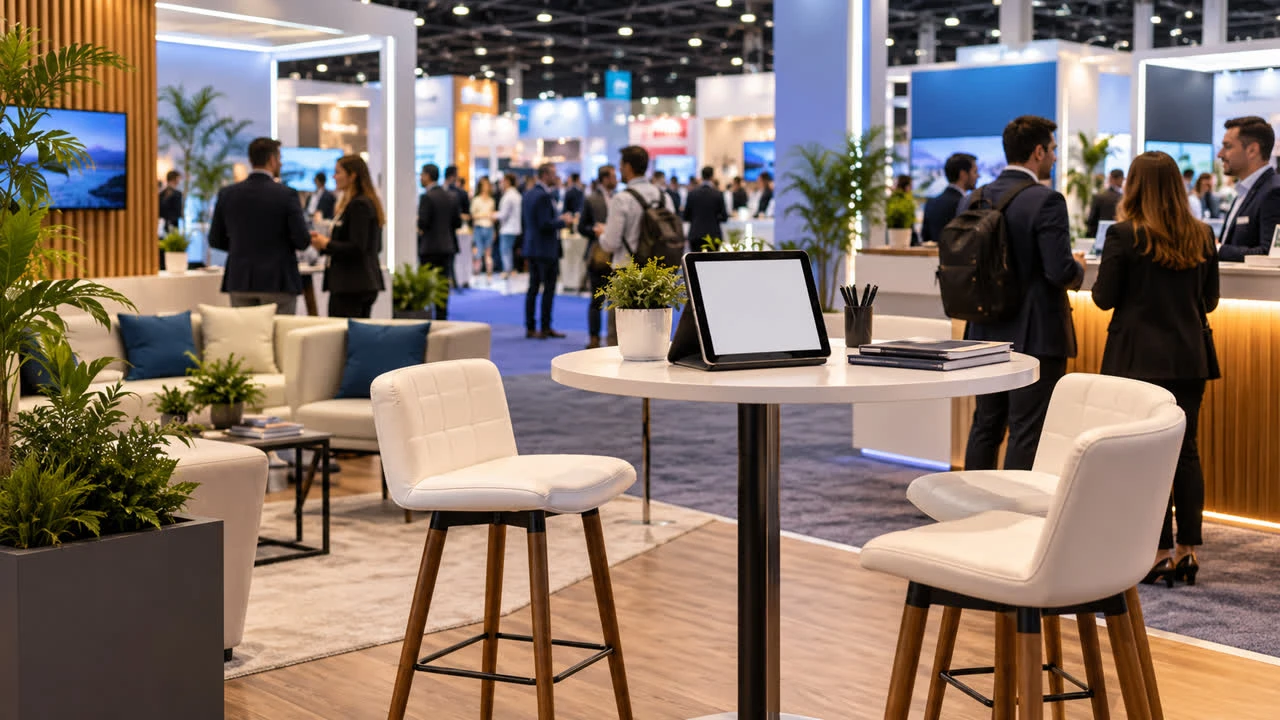
A trade show booth appointment RSVP turns walk-by curiosity into scheduled conversations. Instead of hoping the right buyers linger, you send a short link that books 15–30 minute slots before the floor opens.
Build the page with SnapRSVP’s create an online RSVP page—light enough for mobile, structured enough for your SDRs.
Why appointments beat open “stop by anytime”
Open invites flood busy hours and leave dead zones. Timed slots protect demos, sample inventory, and executive hosts. Prospects also take the meeting more seriously when a calendar hold exists.
Think of booth RSVPs as micro-events inside the larger expo—closer to a corporate event RSVP website than a mass registration form.
Fields that matter on the form
Name, email, company, title — qualify before you invest demo time
Preferred day/slot — offer 3–5 windows per show day
Topic interest — product A, partnership, pricing, support
Attendee count — solo vs. three-person buying committee
Mobile number (optional) — for day-of “we’re at aisle C” texts
Skip long surveys. Capture enough to brief the booth team; deep discovery belongs in the meeting.
Slot design and capacity
Offer fewer slots than your max capacity so walk-ups still fit. Use how to set RSVP capacity limits thinking: close a slot when two hosts are already booked. Buffer 10 minutes between demos for resets and lead notes.
For training-style sessions inside the booth (mini workshops), borrow structure from a corporate training RSVP website—clear start time, duration, and what to bring.
Pre-show outreach
Warm list email 10–14 days out with the appointment link
LinkedIn note to target accounts with the same URL
QR on booth graphics for on-floor booking of remaining slots
Reminder 24 hours and 2 hours before each appointment
One canonical link prevents “which form did we send?” chaos across marketing and sales.
Day-of booth workflow
Print or tablet-view today’s Yes list with company and topic. Assign a greeter who owns the schedule and a closer who runs demos. When someone no-shows after 7 minutes, release the slot to a walk-up and log it.
Evening mixers around the show still benefit from a separate lighter form—see networking mixer RSVP website—so hospitality nights don’t collide with booth slot logic.
Lead handoff after the show
Export appointments with outcomes: held / no-show / reschedule. Push only held meetings into CRM with notes. Do not dump every Maybe walk-up as an MQL without a next step.
Held + hot → same-week follow-up call
Held + nurture → sequence with booth recap
No-show → one polite reschedule offer, then archive
Privacy and brand tone
Keep the page on-brand and short. State how you’ll use contact data. Avoid forcing newsletter opt-ins as a condition of booking—buyers notice.
A trade show booth appointment RSVP works when slots are scarce, fields are lean, and the booth team trusts the list. Book the meetings before the carpet goes down; measure success by held conversations, not QR scans alone.
Qualifying without scaring buyers
Use topic interest and company size as soft filters, not gatekeepers. A required “budget range” field on a booth appointment form feels like a hard sell before the handshake. Let SDRs qualify live; let the form book the time.
If leadership wants stricter filters, offer two tracks: “Executive briefing (25 min)” with fewer slots and “Product walkthrough (15 min)” with more. Separate capacity caps keep VIPs from eating the entire calendar.
Staffing the calendar
Map each slot to a named host before the show. Color-code the export: Host A / Host B / Floater. When a prospect books, the confirmation email should name the host and booth number. Anonymous “someone will meet you” notes raise no-shows.
Build a 15-minute stand-up each morning of the show: review today’s appointments, competitor noise on the floor, and which demos need the large monitor. Update the shared RSVP notes column with outcomes in real time—not in a hotel bar spreadsheet at midnight.
Measuring booth RSVP ROI
Booked → held rate (target 70%+ with reminders)
Held → next-step rate (meeting, trial, quote)
Cost per held meeting vs. badge scans alone
A trade show booth appointment RSVP is a sales instrument. Optimize for held conversations and pipeline, not vanity registration counts. Keep the form short, the slots real, and the follow-up owned.
Common failure modes (and fixes)
Overbooking a single “hot” hour: split popular windows or add a second demo station. Ghosted first slots of the day: send a floor-map reminder at open. Sales reps inventing side meetings outside the RSVP: make the shared calendar the only source of truth and decline off-list holds politely.
If marketing floods the form with unqualified scans from a prize wheel, add a light company-email check or a one-line “what do you want to discuss?” required field. Friction should filter tire-kickers, not real buyers.