
Tai Chi Morning RSVP Website: Spot Counts, a Court Cap, and a Form Line
A tai chi morning RSVP has to lock a practice spot and a court before the first form, because a maybe does not hold a practice spot.
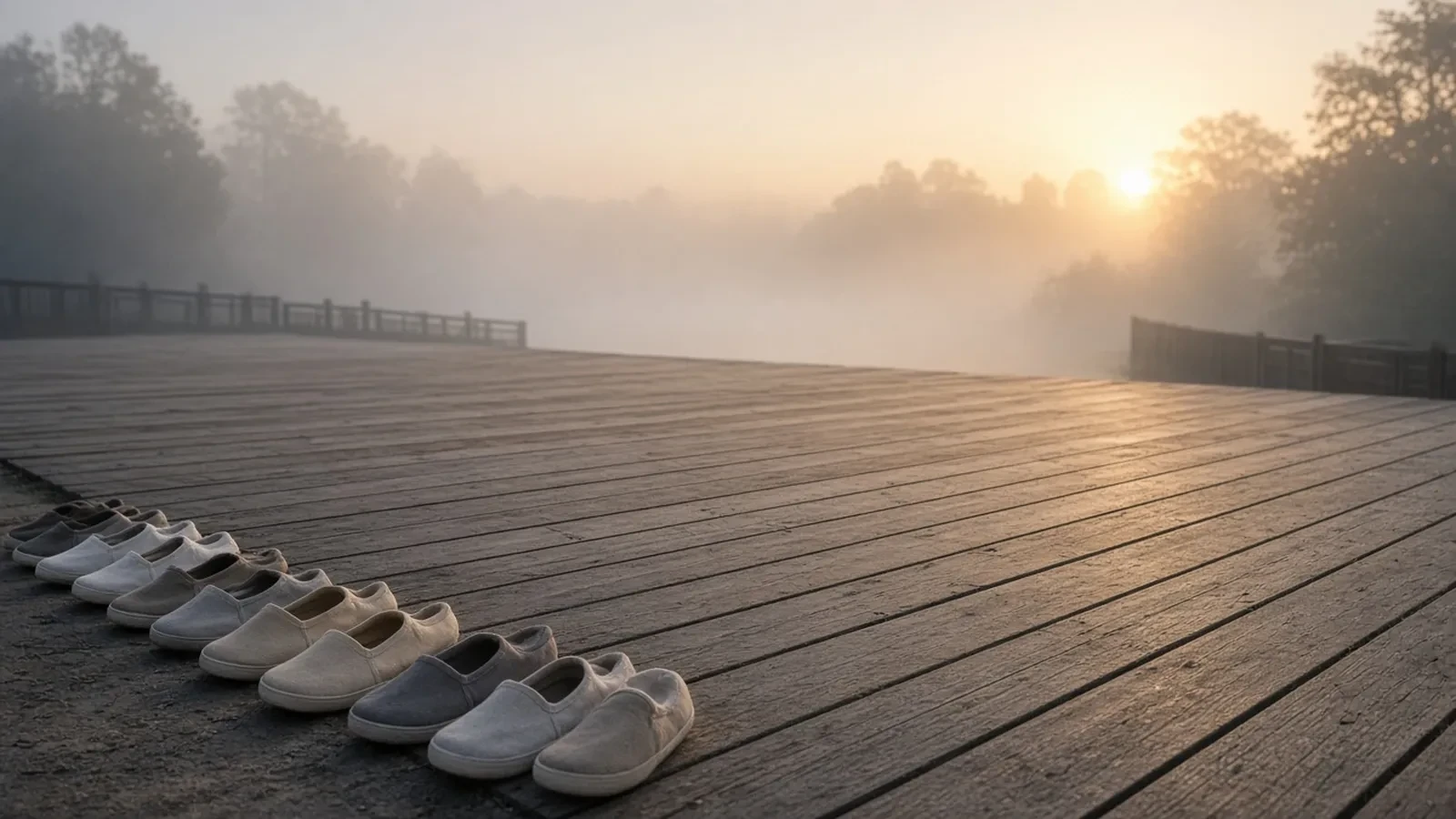
A tai chi morning breaks when twenty people arrive for twelve marked spots and the court was laid out for the names that answered yes, or when a late guest steps into the front row while the form has already started. Practice spots, clear movement lanes, and the number of people you can teach without bodies crossing are set before the first form. The host does not draw a thirteenth square because a neighbor decided to join after the list closed. This is a slow tai chi practice with a named sequence and deliberate weight shifts, not sunrise yoga with mats and holds and not a meditation retreat. A maybe does not hold a practice spot.
You can create a tai chi morning RSVP that fills the spots you will actually mark, records who needs a clear route or chair, and stops when those places are full.
Count the practitioners the court can hold
Walk the court before you send the link. Write down how many people can extend their arms and step without crossing a neighbor, how many instructor sightlines remain clear, and whether a spare spot is for a replacement or a thirteenth practitioner. If the court can take twelve people with one arm's length around each mark, that number is your cap: twelve practitioners, not a crowd packed into the same movement lane.
A tai chi spot is one named person, one marked place, and enough room to shift weight and turn. You follow the warm-up, the form, and the cool-down you named without stepping into another person's path. There is no yoga mat sequence, no meditation cushion, and no shared court that becomes someone else's extra practice space. Ask whether a person who will only observe needs a chair at the edge, and whether that person still counts toward the venue's limit. Pick one rule and write it on the page. Observers stay outside the movement grid. They do not step in for "just one posture" or place a bag in a lane.
Ask the last time you can change the court booking or instructor count without losing the morning slot. If the recreation center needs the final attendance count by Wednesday for a Saturday class, that Wednesday is your lock. Write the finish too: one marked spot, one named practitioner, and the court cleared when the form you named is complete. A thirteenth person "if we spread out a little" is not a plan.
Set a capacity limit on practice spots, not on everyone invited to watch the opening. When the twelfth spot is taken, the form should say the morning is full. If the court markings and instructor plan are already set, a late practitioner is not in this row.
The form line is the sequence you will finish
Name the practice you will complete and stop there. A clear line is a warm-up, the named tai chi form or section, and a stop at "the final posture held, breathing settled, and the court cleared," not an open class until everyone has learned every movement. Practicing until the sun is high is a different session, and a morning court has another booking. Sunrise yoga, with mats, poses, and a different teaching plan, is a different event. So is a meditation retreat, with extended silence and sitting periods.
Put that form line on the page as the point you will stop, not a vague "we will practice as long as we feel good." If the morning ends when the named form and cool-down are done, that is the line. People who want to add a second sequence will still be in the movement lane when the next group arrives. You need a yes to this spot, this court, and this form line before you begin.
Who needs room to move
Mornings go wrong when a clear route is treated as optional. A practitioner may need a chair for part of the class, a level surface, room for a mobility device, a place near the edge, or instructions that can be seen and heard. Ask whether a household is one practitioner with one spot or two people who each need their own movement lane, and do not assume a couple shares one mark. A guest who cannot safely use the lane does not get assigned a spot that only works on paper.
Collect accessibility needs so you know who needs a chair, a level entry, an unobstructed route, or a place near the instructor. Ask what modification is useful without promising medical advice. Write what happens if someone misses the start: their spot goes to a named standby who can join safely, or the class continues and the late guest does not cross the moving row.
The moment the court is locked
The meeting point is the court, entrance, and marked grid you named, not "the park" with no surface or arrival point. Put your phone on the page. A message in the group chat is not a spot assignment. You match names to marks and access notes.
Tie the deadline to the court booking and instructor plan, the day the practitioner count cannot change. After that, a late yes is a call about a cancellation, not a promise of another lane. If you want names ready when a practitioner drops, keep them as standbys and tell them they do not have a spot until you write back. A maybe does not hold a practice spot.
Export the list the morning you lock: attending or not, marked spot, accessibility note, form section, and phone. A tai chi morning RSVP is finished when every lane has a named practitioner, the form line is the sequence you will actually stop at, and a late guest knows whether they are moving or observing from the edge.