
Table Tennis Night RSVP Website: Paddle Counts, a Table Cap, and a Score Line
A table tennis night RSVP has to lock a paddle and a table before the ladder is posted, because a maybe does not hold a paddle.
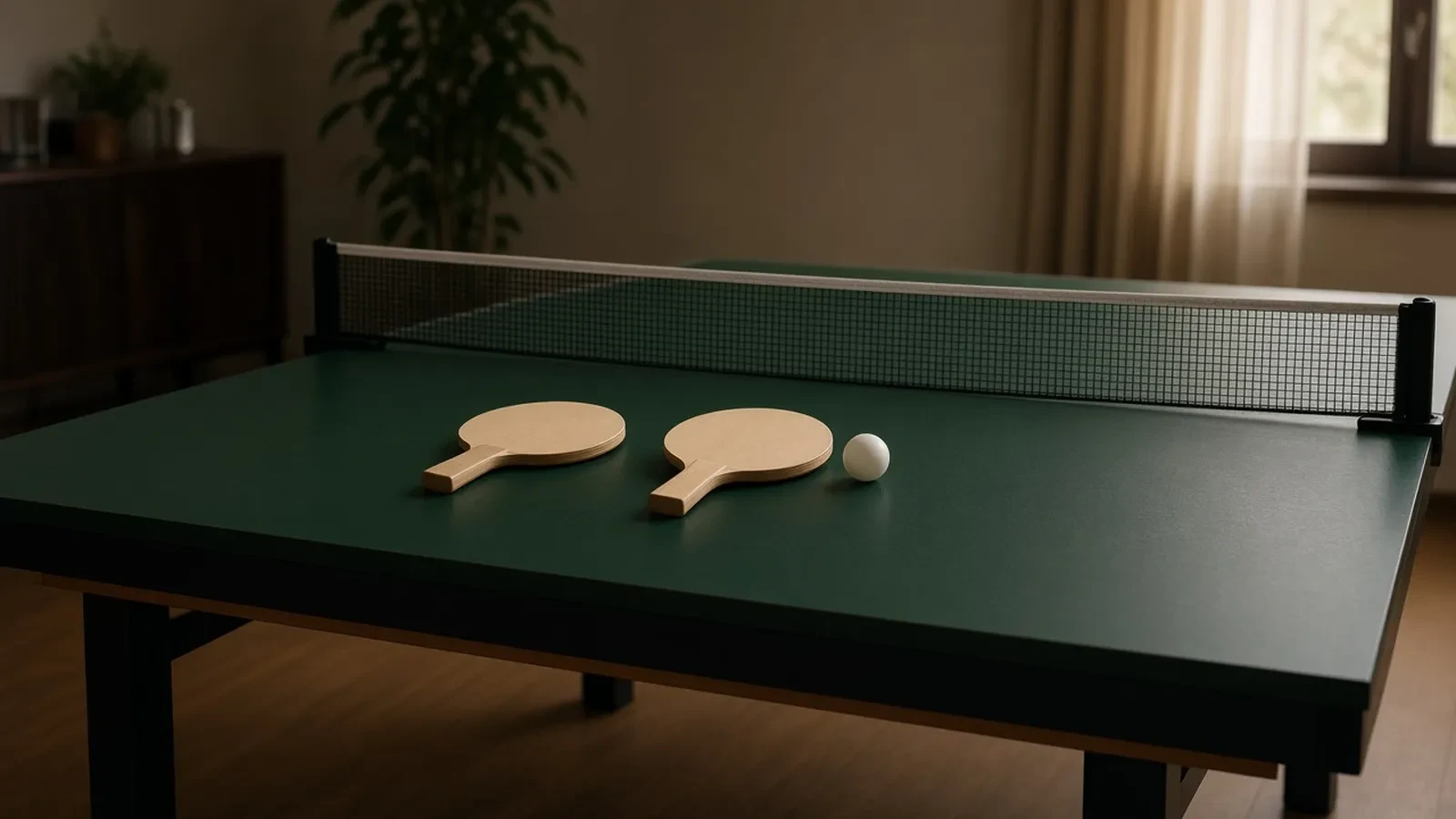
A table tennis night breaks when the hall has four tables and fourteen players arrive with a paddle that was never on the list, or when the ladder was built for eight and three of those people were still a maybe on Friday. Paddles, the table each match uses, and the score sheet you printed are set before anyone steps up to serve. The host does not drag in a fifth table because a neighbor decided to play after the sheet closed. This is table tennis on indoor tables, not a park net and not a shuttlecock game. A maybe does not hold a paddle.
You can create a table tennis night RSVP that fills the tables you will actually run, records who is playing and who is only keeping score, and stops when those tables are full.
Count the players the tables can hold
Walk the hall before you send the link. Write down how many regulation tables stay up for the whole block, whether each one has room for a server's backswing, and whether a fifth table is folded in a closet you are not allowed to open. If you can run four tables for two hours, with two players per table and a short wait bench, that number is your cap.
A table is two paddles in a match, not one friend who likes the game. Ask whether a spectator who will not play can sit against the wall, and whether that person still counts toward the number the hall allows in the room. Pick one rule and write it on the page. Scorekeepers stay off the table. They do not claim a ninth paddle.
Ask the last time you can change the ladder without losing the room reservation. If the hall locks the block on Wednesday for a Thursday night, that Wednesday is your lock. Write the finish too: one paddle, one table window, packed out by the time on the permit. A second round "if a table frees up" is not a plan.
Set a capacity limit on playing paddles, not on everyone who was invited to hang out. When the last table slot is taken, the form should say the night is full. If the ladder is already posted, a late pair is not on these tables.
The score line is a sheet, not a guess
Name the format and the ball you will host and stop there. A clear line is one score sheet per table, games to the number you wrote, and 40mm balls from the box you opened. A park-style net, a shuttlecock, and a robot drill that needs the table to itself are a different session with a different reservation.
Put arrival on the form as the window the door will actually be open. If the tables are reserved from 7:00 to 9:00 and warm-up starts at 6:45, that is the line. People who want to stroll in at 7:20 will break a ladder already in motion. You need a yes to this paddle, this table, and this score sheet before you post the night.
Households, and a time to be at the table
Nights go wrong when one yes hides a whole household. One player who brings two relatives is one paddle and three bodies, not three paddles. Ask for each player's name, whether they need a loaner paddle, and how many people will be with them in the hall. A sibling who is only watching does not get a table slot.
Manage household RSVPs so one form can list who plays and who sits. Collect an arrival window inside the reservation, not a vague evening. The window might be 6:40 to 6:55 so the first tables are warm before the second wave blocks the door. Write what happens if someone is later than warm-up: the paddle goes to a standby player who is already in the hall, or it stays empty and the late player waits for the next match.
The moment the ladder is locked
The meeting point is the hall door you named, not "the rec center" with no room number. Put your phone on the page. A message in the group chat is not a table assignment. You match names to the ladder.
Tie the deadline to the hall, the day the table count cannot change. After that, a late yes is a call about a cancellation, not a promise of another table. If you want names ready when a paddle drops, keep them as standbys and tell them they do not have a table until you write back. A maybe does not hold a paddle.
Export the list the morning you lock: attending or not, paddle needed, score-sheet role, party size in the hall, arrival window, and phone. A table tennis RSVP is finished when every table slot has a named player, the score sheets match the format you printed, and a late arrival knows whether they are warming up or turning around.