
Smores Party RSVP Website: Marshmallow Counts, a Skewer Cap, and a Toast Line
A smores party RSVP has to lock a marshmallow share and a skewer place before the heat is ready, because a maybe does not hold a counted graham or a turn at the toast.
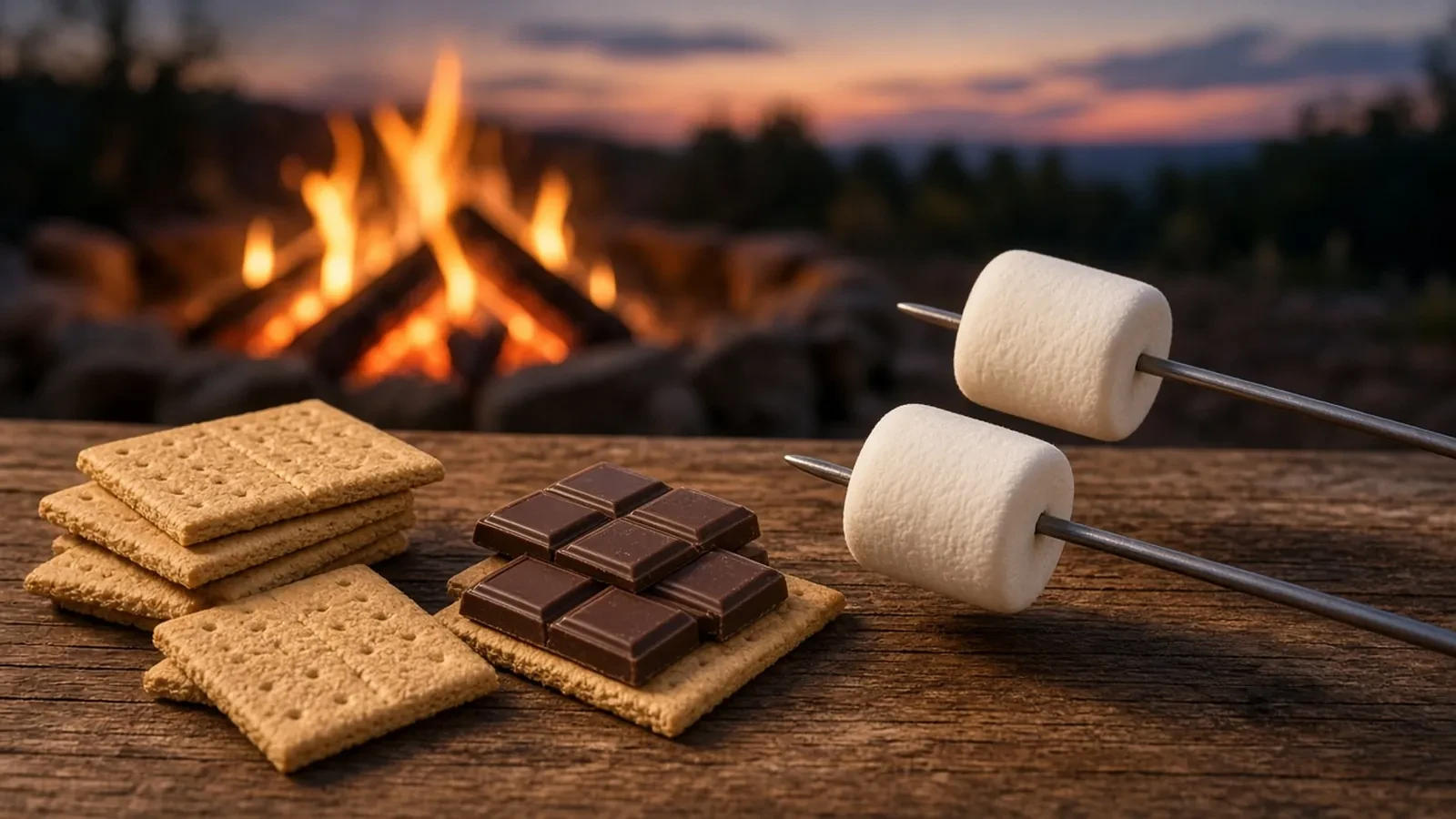
A smores party breaks when the host bought marshmallows, graham crackers, and chocolate for twelve people, set eight skewers, and twenty-four people answer yes after the heat is already going. Portions, a skewer, and a turn at the toast are decided before the first marshmallow goes over the heat. The host does not open a second run of supplies or promise a s’more that has no skewer time left because a friend decided to come after the list closed. This is a counted s’mores station, not a bonfire gathering, not gingerbread, and not cookie decorating. A maybe does not hold a skewer.
You can create a smores party RSVP that counts portions, records dietary needs, and closes when the skewer cap is reached.
Count marshmallows, chocolate, and skewer time
Count the food before you send the invitation. A s’more is one graham, one piece of chocolate, and one marshmallow, or whatever count you actually bought per person. A bag in the pantry is not a spare guest. Marshmallows dry out, chocolate softens, and grahams break. If you planned two s’mores each for twelve people, that is twenty-four of each part, plus a small named extra for a cracked cracker, not a second party. A late guest does not get “we will stretch it,†because stretching means someone who answered on time gets a smaller portion than you promised.
Count the tools that touch the heat. Skewers or forks that are long enough, a rest for hot sticks, a tray that keeps raw marshmallows off the ground, and the heat source you are actually using are the limit. Eight skewers do not become sixteen because people say they can share. Sharing a hot stick means waiting, and waiting is a turn you have to schedule. Each eater still needs a named portion that is not taken from the next person’s pile. A guest with a cracker and no turn at the heat is holding a cold marshmallow and calling it a party.
Marshmallows, grahams, and chocolate by person, including a small breakage extra you already counted
Skewers long enough for the heat you are using, and a place to set them down
How many people can toast at once without crossing sticks
Napkins, plates, and a table that is not the same surface as the heat
A plan for the last sticky stick, because cleanup is part of the portion count
A smores place is one named guest with a portion and a skewer turn. A guest who wants to watch the first toast is not taking food unless you counted them. Someone who expects to eat needs a place in the rotation. Ask who is toasting, who is only accompanying a child or a partner, and whether a household is sharing one station or each person wants their own stick. Eaters stay inside the food you bought. They do not open another bag because the store is still open.
The skewer cap and the toast line
Eight skewers and twelve guests is a cap only if the heat, the session length, and the standing room agree. If the fire bowl or grill safely holds four sticks at once, and each person needs a few minutes to toast and build, the cap is the number of people who can finish before the heat dies or the supplies run out, not the number of chairs on the patio. The smallest real constraint wins. Set a capacity limit for guests who are eating, not for every person who might walk through the yard. When the last portion is claimed, the form should say the smores party is full. If the sticks are set out and the chocolate is unwrapped, a late guest is not an unplanned eater.
The toast line is the end of the party’s cooking. Name it: the last marshmallow is off the heat, skewers are in a bucket, leftover chocolate is packed, and the heat is being put out or shut off by the person you named. A clear toast line stops the night from becoming an open-ended roast with a bag you already counted. A marshmallow left in the bowl is not a promise to a guest who arrives during cleanup. It is still a hot station, and it is not a new seat.
Diet and weather change the station
Gelatin, gluten, dairy, and nut toppings are the usual breaks in a s’mores pile. A guest who cannot eat a standard marshmallow or a graham needs that written down before you shop, not at the table when the only option is the one you bought. Collect dietary restrictions with severity on the RSVP so you know whether you need a separate gelatin-free marshmallow, a gluten-free cracker, or a chocolate without dairy. If you can bring one small alternate kit, say how many people it covers. If every s’more will be the standard three parts, say that in the invitation so someone can decline or eat before they come. Do not assign a portion that looks open on paper if that guest cannot eat it.
Use a weather contingency on the RSVP when the station is outside. Wind, rain, and a burn ban change whether you toast at all. Say what happens if the patio is wet: a covered grill, a move to a stove indoors, a new time, or a cancel. Ask guests to read that line before they rely on the night for dinner. A forecast is not a maybe on the guest list. The cap stays the same if you move indoors only when the kitchen can hold the same number of sticks. If the indoor backup holds fewer people, the cap is the smaller number from the start.
The moment the portion list is locked
Tie the deadline to the shop. If you have to buy marshmallows, chocolate, and crackers the day before, that afternoon is your lock. After that, a late yes is a call about a cancellation, not a promise of a skewer. Standbys can wait, and you tell them they do not have a portion until you write back. A maybe does not hold a counted marshmallow.
The meeting point is the patio or kitchen door, the check-in time, and the station you named, not “come by whenever the fire looks good.†You match names to eaters, portion, dietary note, weather plan, the skewer cap, the toast line, and a phone. Export the list the morning you lock: attending or not, portion, skewer turn, dietary note, and phone.
A smores party RSVP is finished when every portion has a named guest, the toast line is the last stick in the bucket rather than an open bag, and a late guest knows whether they are toasting, visiting without a s’more, or waiting for a cancellation.