
Scrabble Night RSVP Website: Board Counts, a Table Cap, and a Round Line
A Scrabble night RSVP has to lock a board and a table before the first draw, because a maybe does not hold a board.
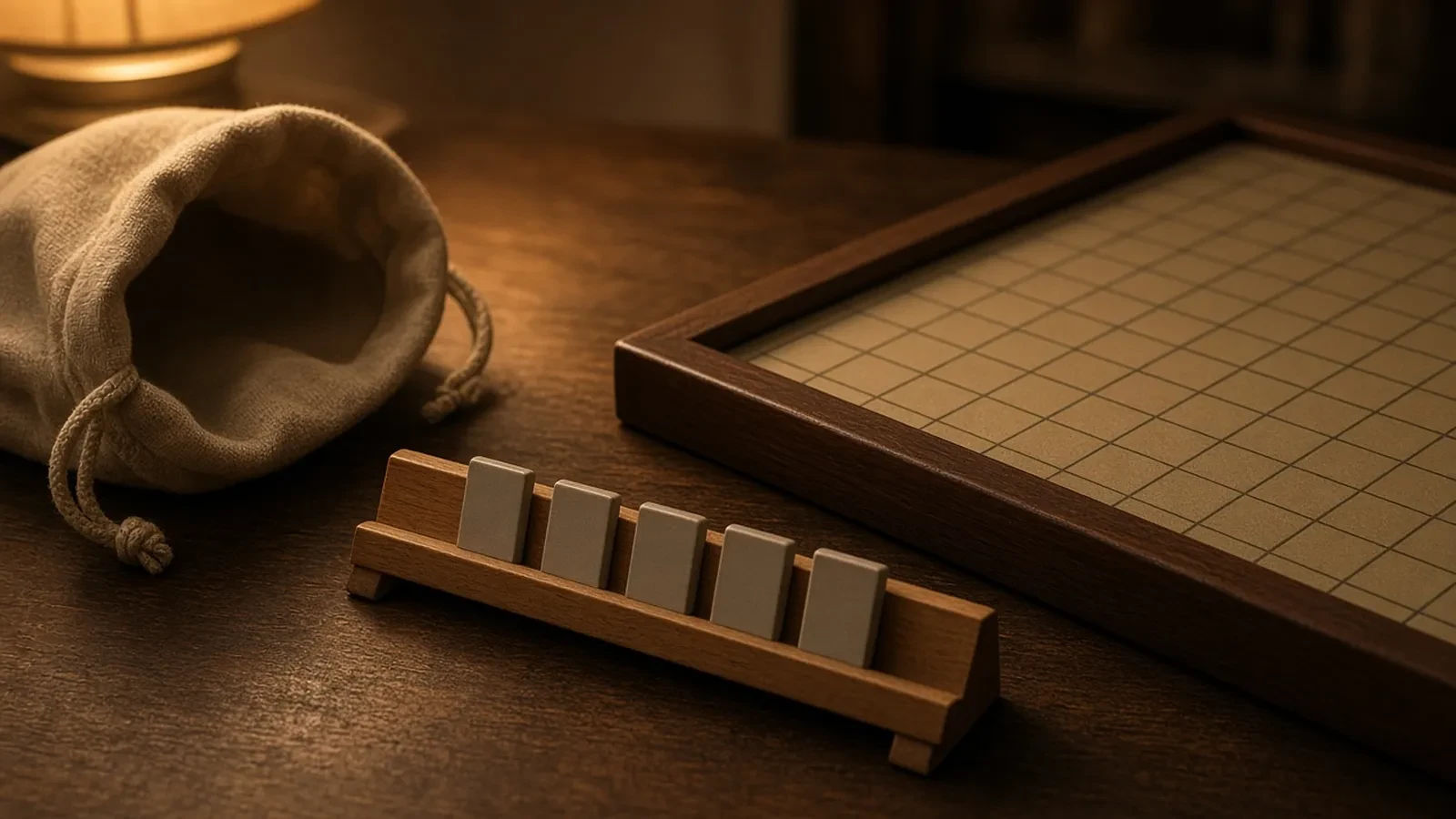
A Scrabble night breaks when six boards are set and sixteen people arrive expecting a tile rack, or when the sets were counted for six and three of those names were still a maybe on Friday. Board sets, the table each foursome uses, and the number of games you will actually finish are set before the first tile is drawn. The host does not open a seventh board because a neighbor decided to play after the sheet closed. This is Scrabble with letter tiles on a crossword grid, not a chess night with pieces and not a bridge or cribbage table with cards. A maybe does not hold a board.
You can create a Scrabble night RSVP that fills the tables you will actually set, records who is playing and who is only watching, and stops when those seats are full.
Count the players the boards can hold
Walk the room before you send the link. Write down how many boards you can set without elbows hitting tile bags, how many complete letter sets you own, and whether a spare set is a replacement for a missing tile or a seventh game. If six boards can each take four players, that number is your cap: twenty-four players, not a crowd sharing one bag and one score pad.
A Scrabble table is one board, one tile bag, and four racks. You draw tiles, build words on the grid, score the play, and rotate turns until the games you named are done. There is no chess clock, no bridge bid card, and no shared tile bag that becomes someone else's rack. Ask whether a person who will not play can watch from a chair away from the boards, and whether that person still counts toward the number the room can hold. Pick one rule and write it on the page. Watchers stay off the rack. They do not draw a tile "for one word" or start a side board on the coffee table.
Ask the last time you can change the board count without moving furniture or borrowing sets you cannot return the same night. If the tables have to be set by Thursday for a Saturday night, that Thursday is your lock. Write the finish too: one board, one named foursome, tiles bagged when the games you named are scored. A seventh board "if another set turns up in the closet" is not a plan.
Set a capacity limit on playing seats, not on everyone who was invited to snack from the kitchen. When the twenty-fourth seat is taken, the form should say the night is full. If the boards are already assigned, a late player is not at these tables.
The round line is a game count, not a vibe
Name the match you will finish and stop there. A clear line is four players, a set number of games, and a stop at "two games scored and the tiles returned to the bag," not an open night until the last tile is played for fun. Playing until someone says they are tired is how the last board is still live when you need the room clear. Chess, with pieces and a clock, is a different night. So is bridge or cribbage, with cards and a different scoring pad.
Put that game count on the form as the point you will stop, not a vague "until we feel done." If the night ends when two games are on the pad, that is the line. People who want to "keep playing while the board is out" will still be drawing tiles when the next group was promised the table. You need a yes to this board, this table, and this round line before you hand out racks.
Who brings a plus-one, and who needs which seat
Nights go wrong when the fourth chair is a surprise. Scrabble means sitting for long games, reading small tile letters, and sharing a table. Ask whether someone is bringing a plus-one who also needs a rack, or whether a guest needs an end seat with better light. A guest who will not play a full game does not get assigned a board they will abandon halfway.
Track plus-ones separately so a guest's date does not silently take a fourth rack you already promised. Collect seating preferences so you know who needs an end seat and who wants quieter light away from the kitchen. Write what happens if someone misses the start: their rack goes to a standby already in the room, or the table plays with three and the late guest does not open a seventh board.
The moment the boards are locked
The meeting point is the room you named, not "the living room" with no table marked. Put your phone on the page. A message in the group chat is not a board assignment. You match names to sets.
Tie the deadline to the table map, the day the player count cannot change. After that, a late yes is a call about a cancellation, not a promise of another board. If you want names ready when a player drops, keep them as standbys and tell them they do not have a rack until you write back. A maybe does not hold a board.
Export the list the morning you lock: attending or not, which board, plus-one note, seating note, and phone. A Scrabble RSVP is finished when every board has four named players, the round line is the game count you will actually stop at, and a late guest knows whether they are playing or watching from the chair.