
Sauna Night RSVP Website: Towel Counts, a Bench Cap, and a Round Line
A sauna night RSVP has to lock a towel and a bench place before the first round, because a maybe does not hold a seat in the heat or a timed exit.
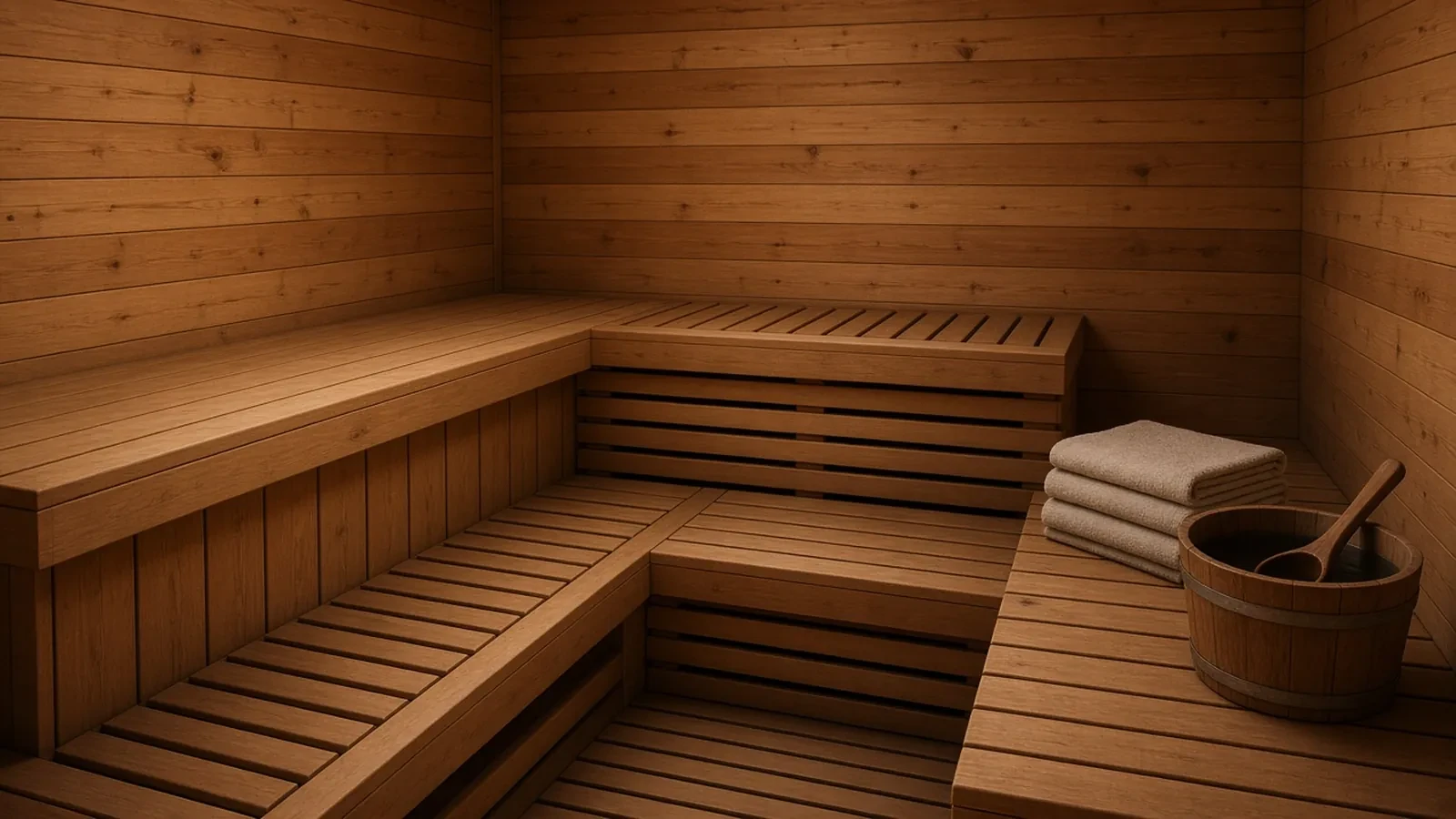
A sauna night breaks when the host set one room for six people, laid out six towels, and fourteen people answer yes after the first round has started. Towels, a bench place, and a timed round are decided before anyone steps into the heat. The host does not add a second sitting that the room cannot cool down from, or promise a bench that has no round left, because a friend decided to come after the list closed. This is a sauna night with timed rounds, not a meditation retreat, not yoga, and not a swim. A maybe does not hold a bench.
You can create a sauna night RSVP that counts benches, records an emergency contact, and closes when the bench cap is reached.
Count towels, benches, and round time
Count the seats before you send the invitation. A sauna bench holds a set number of adults with space to sit or lie without pressing skin to skin, and the stove or heater is sized for that room, not for a crowd in the doorway. A towel on a hook is not a spare guest. If the lower and upper benches safely hold six people for a round of ten or fifteen minutes, six is the count for that round. Heat does not scale because more friends want to try it. A late guest does not get “we will squeeze,†because squeezing is how people overheat and how the air goes stale.
Count what each person needs for the round. A towel to sit on, a towel to dry with, water for before and after, a clock you can see, and a cool-down spot outside the room are the limit. Extra towels in a closet do not create a second bench. People can share a changing room, but each person in the heat still needs a named place and a way out when the round ends. A guest in street clothes with nowhere to cool down is not a quiet extra. They are another body in a small hot room.
Bench places per round, with enough space that nobody is forced against the stove
Towels for sitting and drying, counted per person
Water, and a cool-down chair or shower that is not inside the hot room
A visible timer and a named person who calls the end of the round
A limit on how many rounds the night actually has, so the last group is real
A sauna place is one named adult with a towel and a bench in a round. A guest who wants to wait in the lounge is not in the heat unless you counted them. Someone who expects to sit a round needs a place on the bench. Ask who is going in, who is only dropping someone off, and whether a late guest will accept a later round if a seat opens. Guests stay inside the rounds you can cool and reset. They do not start an extra round because the heater is still on.
The bench cap and the round line
Six benches and two rounds is a cap only if the towels, the cool-down space, and the clock agree. If the lounge holds four people between rounds and you have eight towels, you still cannot put eight people in a six-person room. The smallest real constraint wins. Set a capacity limit for each round, not for every person who might pass through the building. When the last bench is claimed, the form should say the sauna night is full. If the towels are stacked and the heater is up, a late guest is not an unplanned sitter.
The round line is the end of a sitting and the end of the night. Name it: the timer ends, the door opens, everyone is out, benches are wiped, and the next round starts only if those names were already on the list. The last round ends the same way, and then the heater plan you already chose takes over. A clear round line stops the night from becoming an open door and a room that never cools. An empty towel on a hook is not a promise to a guest who arrives during the last cool-down. It is still a hot room, and it is not a new seat.
Adults only, and a phone if someone wilts
Heat, alcohol, and a mixed-age guest list do not belong in the same small room. If the night is for adults, say so on the form and keep the cap for adults who can follow the round time. Host the RSVP as adults only when children are not part of the plan, and do not leave a plus-one field that quietly adds a minor. Tell guests the age line, the no-alcohol line if you have one, and that anyone who feels unwell steps out immediately. A guest who needs a cooler activity can decline before the night, instead of discovering the rule at the door.
Use an emergency contact on the RSVP because dizziness, a slip on a wet floor, or someone who stays in too long is a phone call, not a story for later. You are not asking for a diagnosis. You are asking for the name and number of the person to reach if a guest cannot speak for themselves, plus a note if they want you to know they may need to leave a round early. Put the host’s number on the page so a delay is a message before you hold a hot bench empty. A guest who misses their round can take a later one only if that seat is still open. They do not get a new round added at the end.
The moment the bench list is locked
Tie the deadline to the heater and the towels. If you have to confirm the room, set the rounds, and know who is in the first sitting the day before, that afternoon is your lock. After that, a late yes is a call about a cancellation, not a promise of a bench. Standbys can wait, and you tell them they do not have a round until you write back. A maybe does not hold a hot seat.
The meeting point is the locker-room door or the house entrance, the check-in time, and the round you named, not “come by whenever you feel like sweating.†You match names to guests, towel, round, emergency contact, the bench cap, the round line, and a phone. Export the list the morning you lock: attending or not, round, bench, emergency contact, and phone.
A sauna night RSVP is finished when every bench in every round has a named adult, the round line is the last open door rather than an endless heater, and a late guest knows whether they are sitting a round, waiting in the cool room, or waiting for a cancellation.