Raku Firing Workshop RSVP Website: Pot Counts, a Kiln Cap, and a Firing Line
A raku firing workshop RSVP has to lock a pot and a kiln place before the first load, because a maybe does not hold a kiln place.
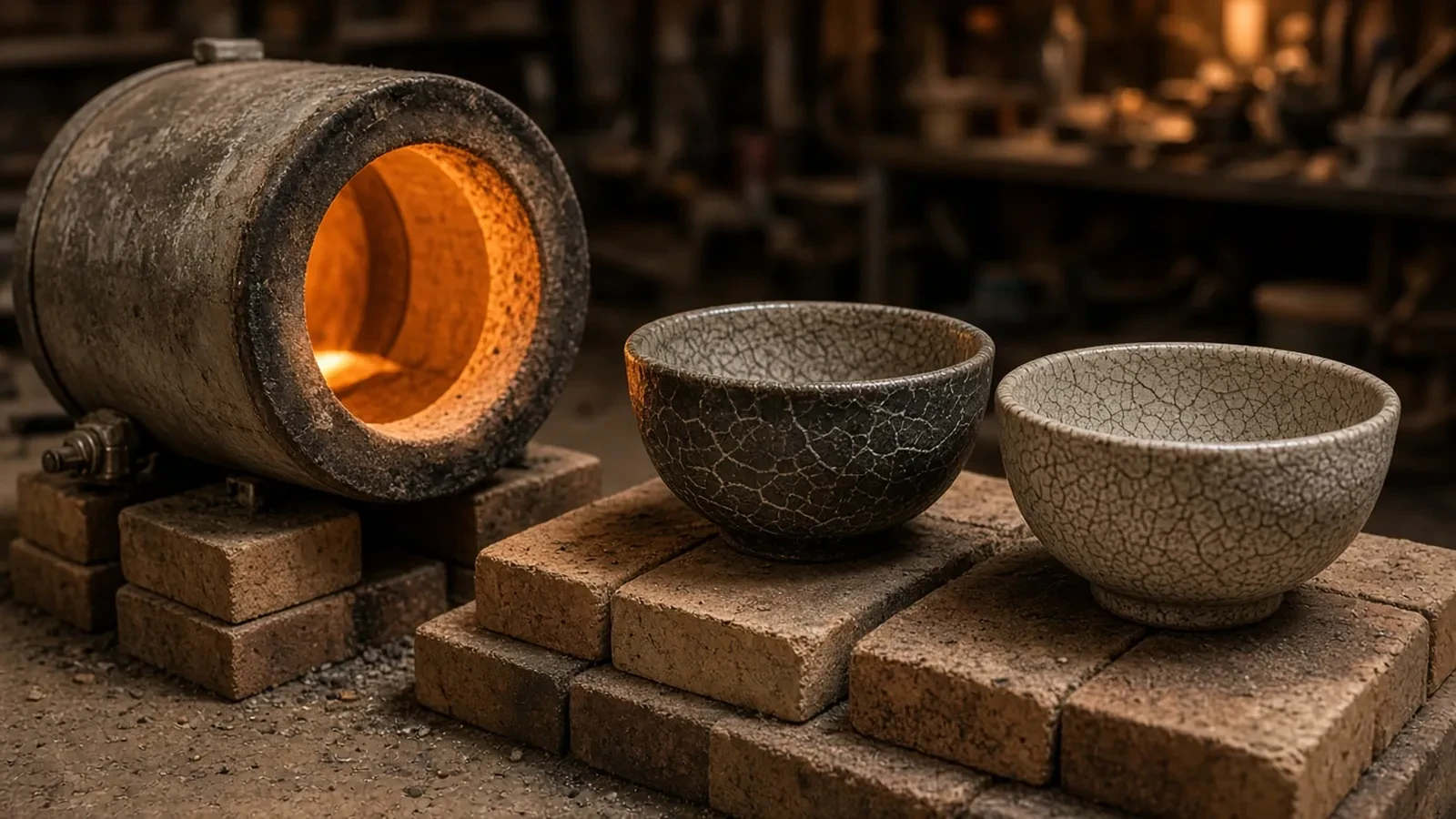
A raku firing workshop breaks when ten people arrive for six kiln places and the pots were bisque-fired for the names that answered yes, or when two guests assume one firing slot means two hands beside the hot kiln. Pot counts, kiln turns, reduction containers, and the number of people you can supervise around heat are set before the first piece is loaded. The host does not find a second kiln because a neighbor decided to fire after the list closed. This is a hands-on raku firing workshop with prepared pottery and a controlled hot-to-cold process, not a pottery wheel class and not fused glass. A maybe does not hold a kiln place.
You can create a raku firing workshop RSVP that fills the firing slots and safety positions you will actually supervise, records access needs, and closes when the kiln plan is full.
Count pots, firing slots, and safe positions
Walk the studio and firing area before you send the link. Write down how many pots fit in each kiln load, how many trained helpers can handle tongs and reduction bins, and whether a spare piece is for a late replacement or another maker. If the kiln plan can safely fire six named makers in two loads, that number is your cap: six makers, not a crowd gathered around the hot zone.
A raku firing spot is one named person, one prepared pot or set of pots, and one place in the firing and cooling rotation. They can watch the safety briefing, identify their work, stand behind the marked boundary, and handle only the step the instructor assigns. There is no shared firing slot that becomes two people's extra pot, no unsupervised reach toward the kiln, and no promise that a late guest can set a piece beside a full load. Ask whether a person who will only observe still needs a place in the studio, and whether that person counts toward the room's occupancy and safety limit. Pick one rule and write it on the page. Observers stay in the places you named. They do not pick up tongs for "just one piece" when the firing line is full.
Ask the studio when the final maker count must be fixed for bisque work, kiln scheduling, gloves, fuel, and reduction materials. If the studio needs the number by Thursday for a Saturday workshop, Thursday is your lock. Write the finish too: the final piece is cooled and labeled, hot tools are secured, and the studio is cleared by its closing time. A seventh maker "if we squeeze another pot in" is not a plan.
Set a capacity limit on active makers, not on everyone invited to watch the smoke. When the sixth firing place is taken, the form should say the workshop is full. If the load schedule and marked safety boundary are already set, a late maker is not at this kiln.
The firing line is the final cooled piece
Name the work you will reach and stop there. A clear line is a final kiln load, a reduction window, and a stop at "the last piece is cooled, labeled, and moved to the safe table," not a studio that keeps firing until every pot has another effect. A pottery wheel class has a different making and drying schedule. Fused glass uses a different kiln program, material, and safety plan.
Put that firing line on the form as the point you will stop, not a vague "we will fire until late." If the workshop ends when the named final load is cooled and the hot zone is closed, that is the line. People who want to alter another pot will still be near the kiln when the instructor has to lock the studio. You need a yes to this pot, this firing turn, and this end time before you prepare the shelves.
Who needs a safe place in the studio
Workshops go wrong when access and heat safety are treated as afterthoughts. A maker may need a seated position, a clear route around the marked boundary, a quieter briefing, or a helper who carries a piece while they stay behind the line. Ask whether a household is one maker with one firing place or two people who each need a pot and a supervised turn, and do not assume a couple shares one slot. A guest who cannot safely reach the studio area does not get assigned a place that only looks available.
Collect accessibility needs so you know who needs a clear route, a particular chair, an alternate observation point, or extra time for the briefing. Write what happens if someone misses the start: their labeled pot goes to a named standby, or the piece is held for the named maker and not silently reassigned. A firing slot is assigned to a person, not to an uncertain headcount.
The moment the kiln plan is locked
The meeting point is the studio, firing area, and check-in table you named, not "the ceramics center" with no room or safety boundary. Put the host's phone on the page. A message in the group chat is not a kiln assignment. You match names to pots, firing turns, and route needs.
Tie the deadline to the bisque schedule and kiln plan, the day the maker count cannot change. After that, a late yes is a call about a cancellation, not a promise of another pot or firing slot. If you want names ready when a maker drops, keep them as standbys and tell them they do not have a place until you write back. A maybe does not hold a kiln place.
Export the list the morning you lock: attending or not, pot label, firing turn, accessibility note, firing line, and phone. A raku firing workshop RSVP is finished when every supervised place has a named maker, the firing line is the load you will actually stop at, and a late guest knows whether they are firing, observing, or waiting for a cancellation.