
Private Chef Dinner RSVP Website: Seats, Menus, and Dietary Notes
Set up a private chef dinner RSVP website to lock seats, collect dietary needs, and share timing—so the menu and mise en place match the guest list.
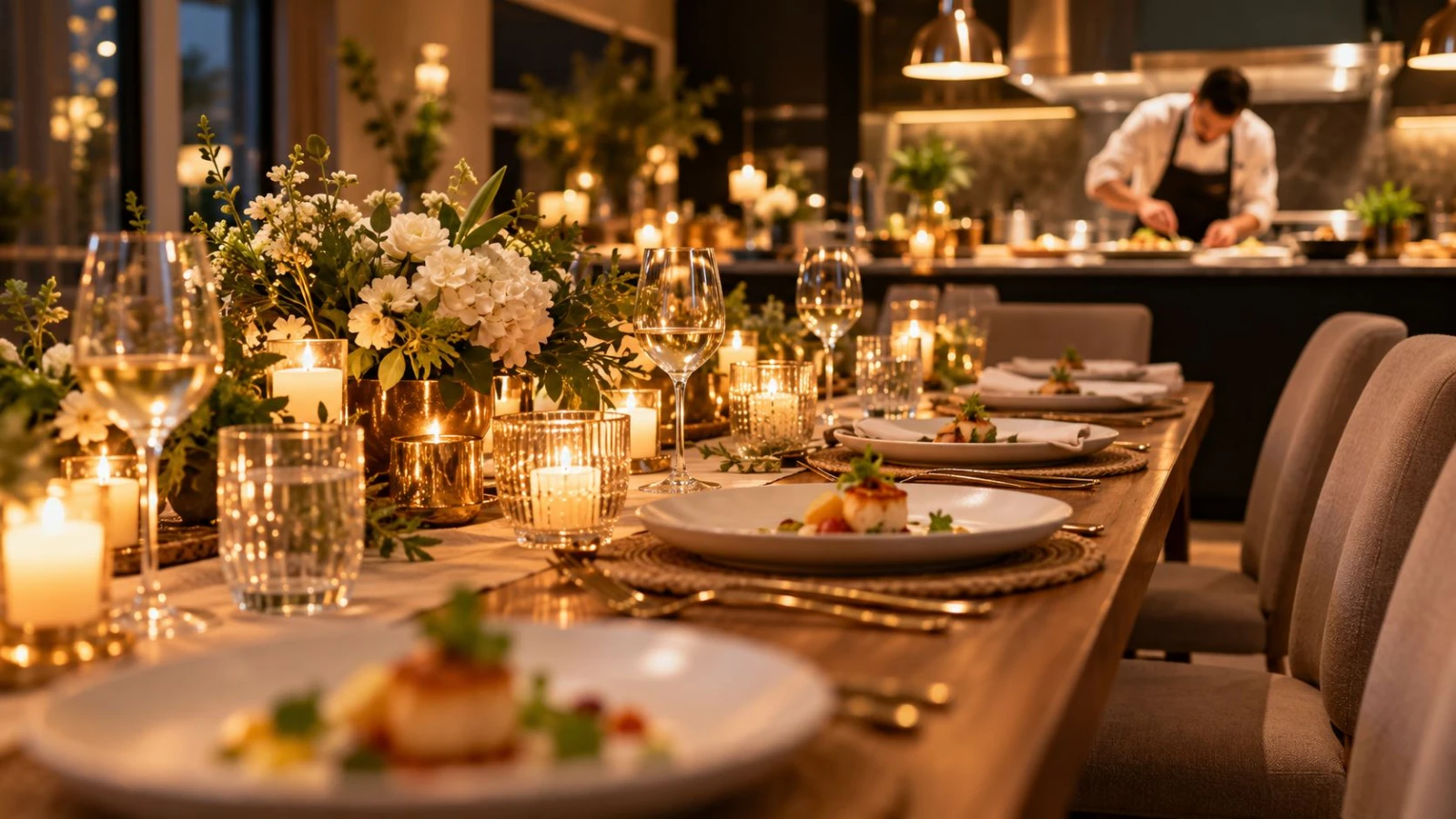
A private chef dinner RSVP website protects the two things that make the night work: exact seats and honest dietary notes. Chefs buy and prep for the list you give them—not for vague “maybe eight?” texts.
Launch a compact page with SnapRSVP’s create a dinner RSVP page flow, close replies before shopping day, and export names with allergies attached.
What private chef dinners need from RSVP
Hard capacity (often 6–16 seats)
Guest names for place cards and allergen tracking
Dietary restrictions and severe allergies
Optional course preferences if the chef offers choices
Arrival window and parking/entry instructions
Plus-one policy (usually strict for seated menus)
Skip ticket carts unless you are selling a public supper-club night. Most home or villa dinners are invite-only.
Ask for dietary needs the useful way
Prefer: “List allergies or diets the chef must know (e.g., peanut anaphylaxis, vegetarian, halal).” Avoid forcing guests to pick from a tiny dropdown that misses real constraints. Wording ideas live in how to ask for dietary restrictions politely.
Share severe allergies with the chef early—and again on a day-of printout.
Timeline that respects mise en place
Send RSVP 3–4 weeks out for specialty menus; 2 weeks may work for simpler nights
Deadline 7–10 days before service for ordering
Final host review 5 days out; call guests still Awaiting
Lock the list; changes after that require chef approval
Broader hosting flow pairs well with how to plan a dinner party.
Invite tone: exclusive without chilly
State that seating is limited, name the chef or cuisine style if it helps excitement, and clarify dress code. If the address is private, show it after Yes or in the confirmation email.
Sample: “We are hosting an eight-seat dinner with Chef [Name] on Saturday, Oct 18. Please RSVP by Oct 8 and note allergies so the menu can be planned safely.”
Menu choices vs chef’s tasting
For a fixed tasting menu, do not invent fake entrée choices—only collect restrictions. If the chef offers two mains, use a simple select field and a default for non-respondents. Theme or format ideas can borrow from creative dinner party ideas without turning the RSVP into a survey.
Day-of packet from your export
Seat list with dietary flags highlighted
Arrival times if staggered cocktails then seating
Emergency contact for building access
Photo policy if the chef or hosts prefer no flash during service
Common failure modes
Allowing unlimited plus-ones on an eight-top
Collecting allergies in DMs instead of the form
Changing headcount after protein is ordered
Forgetting non-alcoholic pairings for abstaining guests
A private chef dinner RSVP website is how you show respect—for the chef’s prep, for guests’ safety, and for the intimacy that made a seated night special. One link, hard seats, clear dietary fields, done.
Payment and deposits (optional)
If guests contribute to costs, collect money separately (invoice, Venmo, or ticketing) and keep the RSVP focused on attendance and diet. Mixing payment friction into a hospitality RSVP often delays replies you need for the menu.
After dinner, a short thank-you note can invite feedback—but do not reopen the RSVP form for compliments; keep the guest list archive clean for the next seating.
Working with the chef on the guest list
Send the chef an interim count when you hit 80% replies, then a final locked list after the deadline. Highlight anaphylaxis-level allergies in red or bold. If two guests share a restriction, still list it per name—station chefs cook to seats, not to surnames. Include pronunciation notes for place cards when names are frequently misread.
For villa or Airbnb kitchens, confirm oven capacity and plating space before you promise a twelve-seat RSVP cap. Your form’s capacity should match the kitchen’s reality, not the dining table’s Instagram potential.
Photography and phone etiquette
If the chef requests no flash during plating, say so on the confirmation screen. Guests who RSVP Yes are the right audience for that note; burying it in a pre-event Instagram story misses half the table. Keep the RSVP focused on attendance and diet—put etiquette in the confirmation, not as required form fields.
Host responsibilities the form cannot replace
RSVP software will not taste the sauce or pace the courses. Your job after the list locks is hospitality: confirm dietary flags with anyone who wrote ambiguous notes (“I don’t do dairy much”), share the start time for seated service versus door time, and arrange coats and restrooms so the chef can focus on the pass. The website handles counting; you handle care.
If a guest cancels inside 48 hours, notify the chef immediately and decide together whether to open the seat from a waitlist. Never silently reseat without updating the export everyone is using.