Letterpress Workshop RSVP Website: Chase Counts, a Press Cap, and an Ink Line
A letterpress workshop RSVP has to lock a chase and a press turn before the ink is rolled, because a maybe does not hold a chase.
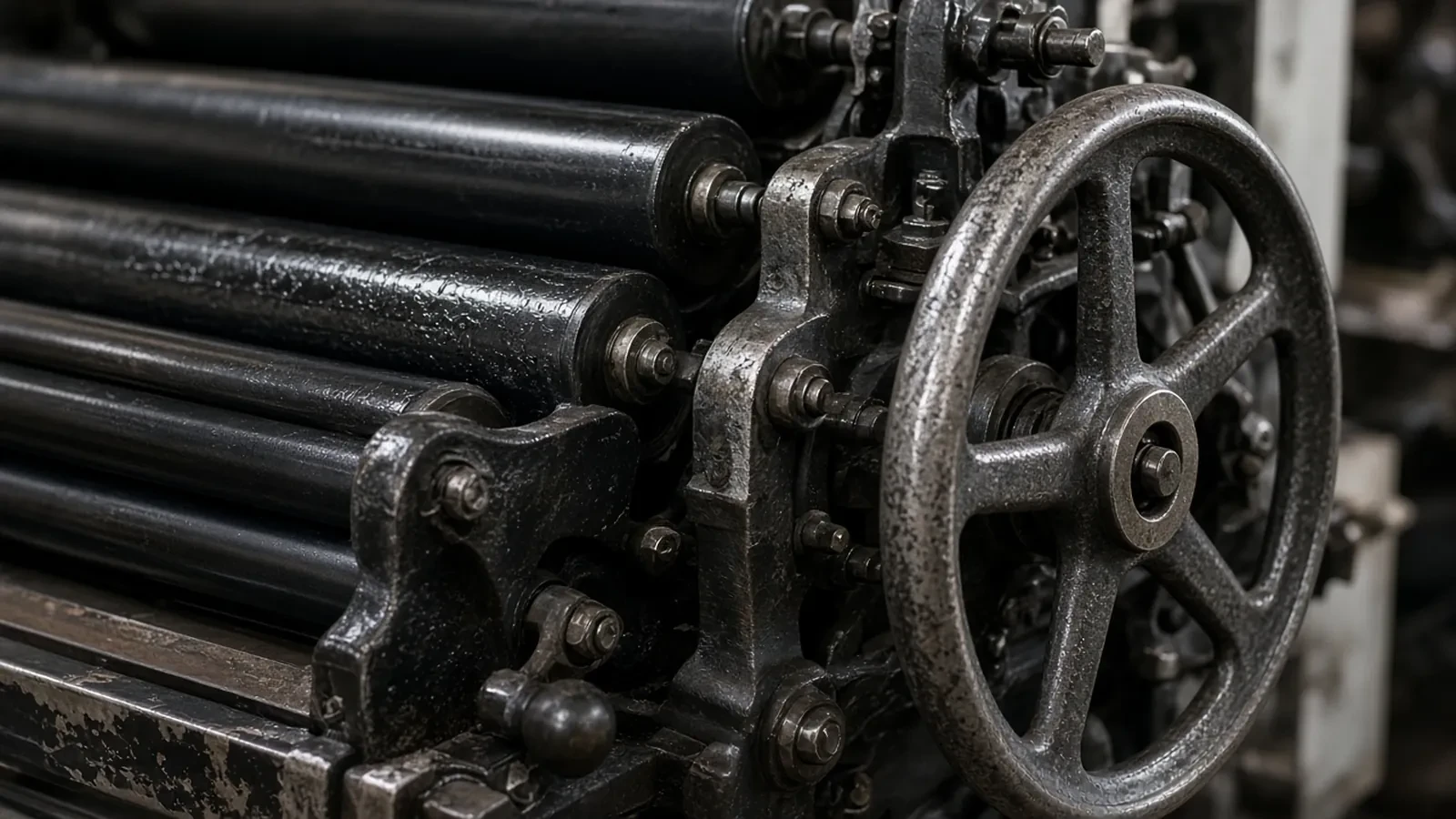
A letterpress workshop breaks when one press was set for six printers and ten people show up expecting a turn, or when the ink was mixed for a count that included three maybes who never came. Chases, the press each person will stand at, and the ink on the slab are set before anyone locks a form. The host does not mix another color because a neighbor decided to print after the type was already distributed. A maybe does not hold a chase.
You can create a letterpress workshop RSVP that fills the press time you will actually teach, records a chase for each person who will print, and stops when those spots are full.
Count the forms the press can run
Stand at the press before you send the link. Write down how many presses are in the room, how long a careful lockup takes when someone is new, and whether each person gets one chase or waits while someone else prints. If you have one press for three hours and each printer needs a real turn to lock type, ink, and pull a short run, six people is your cap.
A chase is one printer. Ask whether a friend who will not set type can stand in the studio, and whether that person still counts toward the number the shop allows. Pick one rule and write it on the page. Watchers stay off the stone. They do not pick up a composing stick.
Ask the last time you can change the headcount without setting aside type you will not use. If you distribute the case and mix the ink on Friday for a Saturday shop, that Friday morning is your lock. Write the finish too: one small form, one ink, a short stack of prints to take home. A second color "if there is time" is not a plan.
Set a capacity limit on people who will print, not on everyone who was invited to look. When the last chase is taken, the form should say the workshop is full. If the type is already on the stone, a late friend is not in this run.
The ink line is a can, not a rainbow
Name the ink you will roll and stop there. A clear line is one black rubber-base ink, one small polymer or a line of metal type you have already chosen, and a stack of the paper you bought in one size. Each person confirms they will print that form. A second color, a gold foil pass, and a poster that needs a larger press are a different day with a different lockup.
This shop is locking type and pulling prints. It is not a plate-carving class, and it is not a class about sewing a book. People who want to bring their own phrase, their own ink can, or a stack of odd paper should not take a chase that was built for the form you already set. You need a yes to this chase and this ink before you roll the slab.
A long stand, and who is actually printing
Shops go wrong when one yes hides a guest who also wants the handle. One printer who brings a friend is two people in a small room, and only one of them has a chase unless a spot is still open. Use a form that tracks plus-ones separately so the guest has a name before you count them against the cap. A guest prints only if a chase is free. They do not share a form.
Printing is a long stand at a press that does not lower itself. Collect accessibility needs only where you can honor them: a stool at the stone, a press the person can reach without a step, or a note that they cannot stand for the whole turn. Do not promise a lift the studio does not have. Closed-toe shoes are part of the same yes. Say that on the page. Ask people to arrive in a short window, 9:40 to 9:50 for a 10:00 start, so aprons are on before the first form is locked. Write what happens if someone is later than that: the chase goes to a standby who is already in the shop, or it stays empty and the late person does not print.
The moment the ink list is locked
The meeting point is the studio door you named, not "the print building" with no floor. Put your phone on the page. A note in a chat is not a chase. You match names to the turns on the press.
Tie the deadline to the shop, the morning the type is set out and the ink is opened. After that, a late yes is a call about a cancellation, not a promise of another color. If you want names ready when someone drops, keep them as standbys and tell them they do not have a chase until you write back. A maybe does not hold a chase.
Export the list the morning you lock: attending or not, ink-line yes, plus-one name if any, access note, and phone. A letterpress RSVP is finished when every turn has a named printer, the chase matches a form you already set, and a late car knows whether they are printing or going home.