Lampwork Bead Workshop RSVP Website: Rod Counts, a Torch Cap, and a Cool Line
A lampwork bead workshop RSVP has to lock a glass rod set and a torch place before the first flame, because a maybe does not hold a supervised station or a safe cooling handoff.
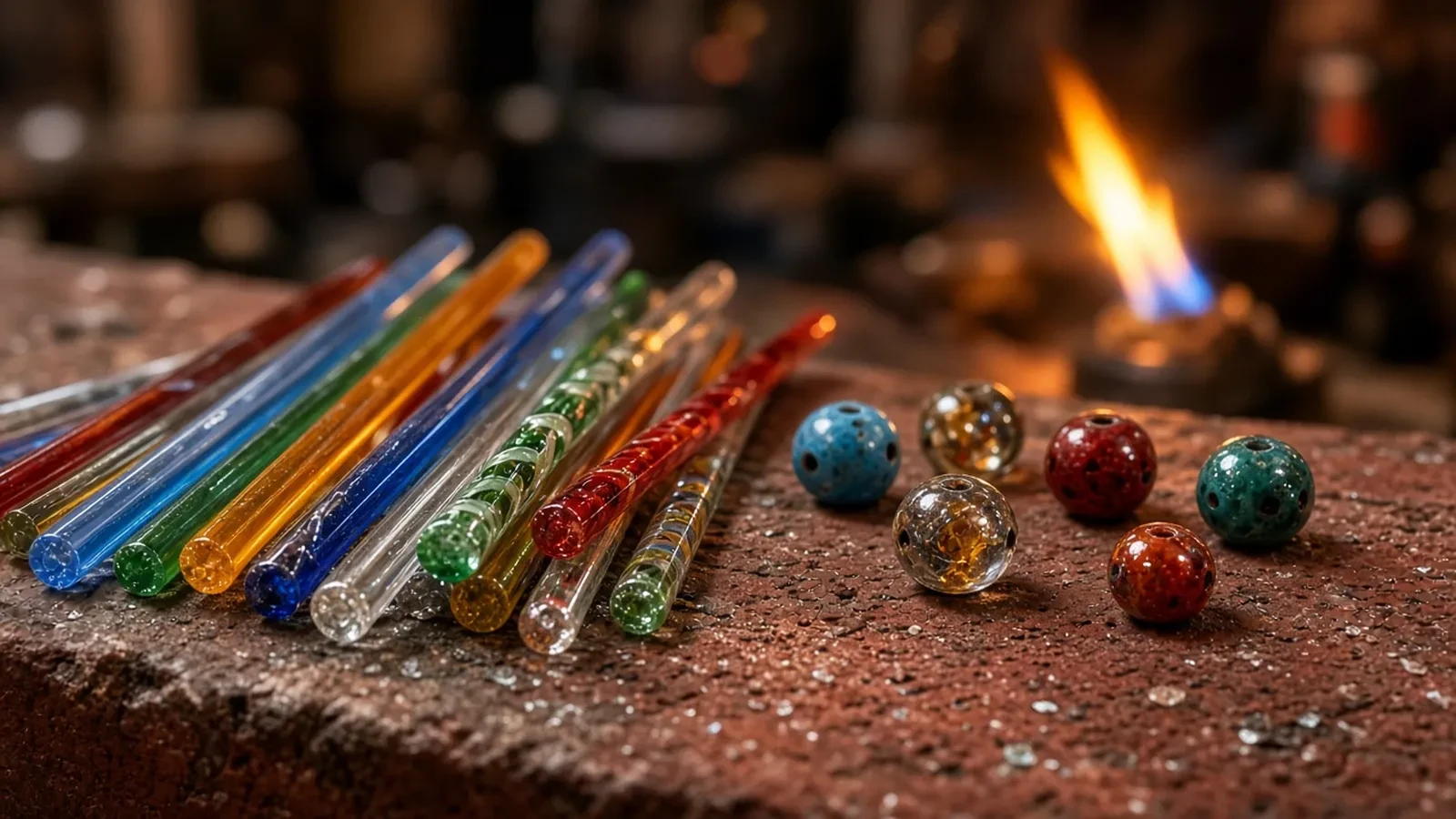
A lampwork bead workshop breaks when the host has sixteen glass rod sets, four torches, and twenty people answer yes after the instructor has set the flame schedule. Glass rods, mandrels, bead release, safety glasses, ventilation, torch stations, annealing space, and the number of people who can safely work around open flame are set before the first flame is lit. The host does not add a fifth torch or squeeze another person beside a flame because a friend decided to come after the list closed. This is a supervised bead-making workshop with fixed stations and cooling time, not a drop-in craft room. A maybe does not hold a torch place.
You can create a lampwork bead workshop RSVP that counts rod sets, captures safety needs, and closes when the torch cap is reached.
Count rods, makers, and safe flame stations
Walk through the studio with the instructor before sending the link. Write down how many glass rod sets are prepared, how many participants each torch can support without sharing a flame, how many mandrels and safety glasses are available, and how many annealing spaces can be labeled. If four torches can each support four named makers in the booked session, that number is your workshop count: sixteen makers, not a crowd rotating through open flame.
A lampwork place is one named maker with a rod set, a safe torch station, and a supervised annealing plan. A guest can shape beads without taking another person’s glass, flame time, or labeled cooling space. A companion who only watches is not automatically a maker, but anyone who wants to use a torch needs a separate station and safety briefing. Ask whether a household has one maker or two people expecting separate flame time. Pick one rule and write it on the page. Guests stay within the rods and stations you counted; they do not join because a torch becomes free for a few minutes.
Ask the studio when the final maker count must be fixed for glass ordering, instructor coverage, safety glasses, ventilation, torch fuel, and annealing labels. If the roster must be final by Tuesday for a Saturday workshop, Tuesday is your lock. Write the finish too: the last flame is off, all hot beads are in the annealer, and the room is cleared according to the studio’s safety procedure. A seventeenth maker “if they only make one bead†is not a plan.
Set a capacity limit for torch users, not for every person who might watch the demonstration. When the sixteenth maker place is taken, the form should say the lampwork bead workshop is full. If torch time and annealing space are already divided, a late guest is not an unplanned flame station.
The cool line is the last planned handoff
Name the work you will complete and stop there. A clear cool line is the final bead labeled and placed into the annealing schedule, followed by the stated pickup or cooling instructions, not a workshop that keeps adding hot pieces after supervision ends. An extra firing or pickup session is a different arrangement and needs a new time and responsible person.
Put that cool line on the form as the point you will stop, not a vague “we can cool anything that comes in late.†If the workshop ends when the final planned bead is safely accounted for and the instructor has explained when it can be handled, that is the cutoff. A guest who arrives after the cutoff may not get a safe supervised turn. You need a yes to this rod count, this torch station, and this last cooling handoff before you finalize the list.
Who needs a clear flame and arrival plan
Flame workshops go wrong when safety information is treated as a note for later. A guest may need a seated station, a clear path around hoses and stools, instructions in a different format, or extra time to understand the torch rules. Ask whether the planned station works for the participant and whether they need a host or instructor to meet them at the entrance. Do not assign a flame place that only looks available on paper if the route, seating, or briefing cannot be provided safely.
Collect accessibility needs on the RSVP so you can arrange station access, seating, communication support, and a safe handoff before the first torch is lit. Record who is making, who is accompanying, and who needs a different setup. A glass rod set is assigned to a person, not to an uncertain headcount.
The moment the torch cap is locked
The meeting point is the studio entrance, assigned torch, and safety briefing time you named, not “come by anytime†around an open flame. Put the host’s phone on the page. A message in the group chat is not a station count. You match names to makers, rod sets, torch assignments, access notes, annealing labels, torch cap, and cool line.
Tie the deadline to the glass order, instructor schedule, safety check, and annealing plan, the day the workshop cannot safely add another torch user. After that, a late yes is a call about a cancellation, not a promise of another flame station. If you want names ready when someone drops, keep them as standbys and tell them they do not have a maker place until you write back. A maybe does not hold a torch place.
Export the list the morning you lock: attending or not, maker count, rod and torch assignment, access note, arrival window, torch cap, cool line, and phone. A lampwork bead workshop RSVP is finished when every flame station has a named maker, the last bead has a real cooling plan, and a late guest knows whether they are making, accompanying, or waiting for a cancellation.