
Kwanzaa Celebration Ideas: Hosting All Seven Nights with Meaning
Kwanzaa celebration ideas for each of the seven principles, a Karamu feast plan, kinara setup, kid-friendly activities, and tips for inviting family and friends.
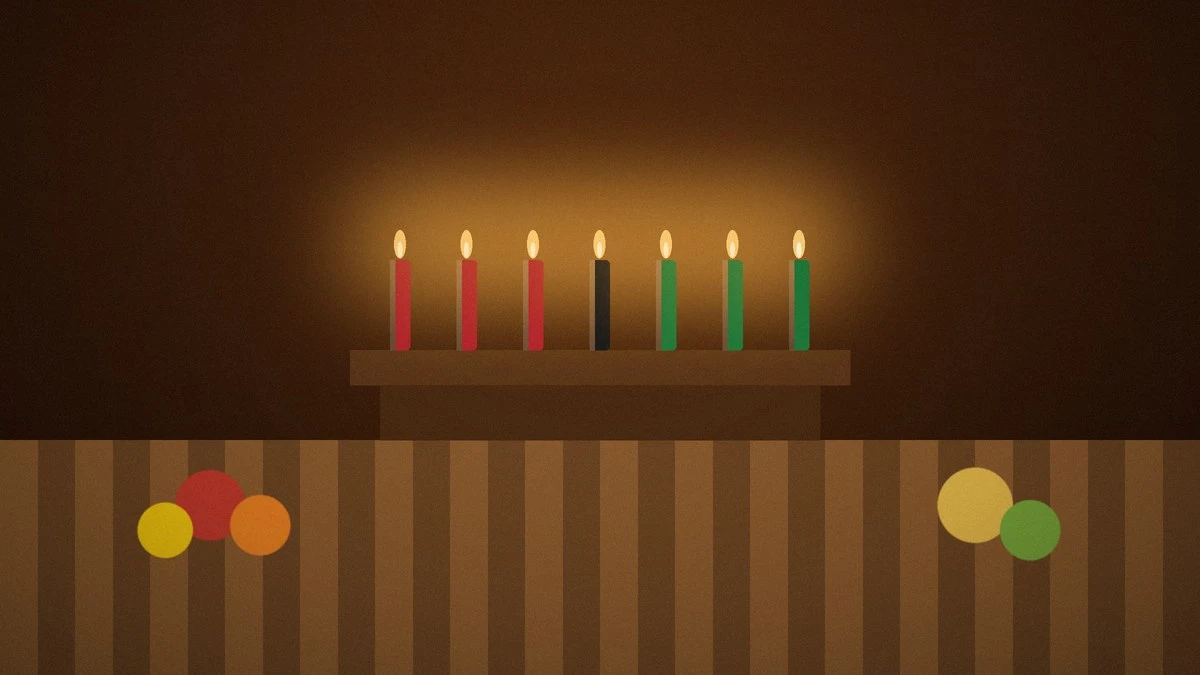
Kwanzaa runs from December 26 to January 1 and celebrates African American heritage, community, and culture. Each of its seven nights focuses on one of the Nguzo Saba, or seven principles. Whether you are hosting for the first time or refreshing a family tradition, these Kwanzaa celebration ideas help you create gatherings that feel festive and meaningful.
Set up the Kwanzaa table
The centerpiece is a low table or mat with the traditional symbols:
Mkeka: a woven mat representing tradition and history.
Kinara: the candle holder for seven candles.
Mishumaa saba: three red candles on the left, one black in the center, three green on the right.
Mazao: fruits and vegetables representing the harvest.
Muhindi: ears of corn, one for each child in the household.
Kikombe cha umoja: the unity cup used for a shared libation.
Zawadi: meaningful gifts, often handmade or educational, given on the final day.
Light the black candle on the first night, then alternate red and green candles moving outward on each following night.
Ideas for each of the seven nights
Night 1, December 26: Umoja (Unity)
Kick off with a family dinner where everyone shares what unity means to them. Create a family tree poster together or look through old photo albums.
Night 2, December 27: Kujichagulia (Self-Determination)
Invite each person to write a personal goal for the year. Kids can draw a picture of who they want to become. Read a biography of a Black leader who charted their own path.
Night 3, December 28: Ujima (Collective Work and Responsibility)
Volunteer together, organize a neighborhood cleanup, or cook a big meal as a group where everyone has a job.
Night 4, December 29: Ujamaa (Cooperative Economics)
Shop at Black-owned businesses for food, books, or gifts. Some families plan a small market night where local makers display their goods.
Night 5, December 30: Nia (Purpose)
Discuss how each person's talents can serve the community. Older relatives can share stories about the work that gave their lives purpose.
Night 6, December 31: Kuumba (Creativity)
This is the night of the Karamu feast. Pair the meal with music, poetry, drumming, dance, and art projects.
Night 7, January 1: Imani (Faith)
Close quietly with reflection, gratitude, and the giving of zawadi. Many families write letters to their future selves to open next Kwanzaa.
Planning the Karamu feast
The Karamu on December 31 is the largest gathering of the week and often includes extended family, friends, and community members. A typical program looks like this:
Welcome: greetings and an introduction to the evening.
Remembering: honoring ancestors and elders.
Reassessment and recommitment: a short talk or reading about the principles.
Libation: the unity cup is shared, often led by the eldest guest.
The feast: food from across the African diaspora.
Farewell: a closing statement and the call of "Harambee!" (let's pull together).
For the menu, consider jollof rice, gumbo, collard greens, black-eyed peas, plantains, jerk chicken, groundnut stew, cornbread, sweet potato pie, and benne wafers. Many hosts run the Karamu as a shared meal so the work reflects Ujima. A potluck RSVP with a dish sign-up helps you balance mains, sides, and desserts. For seating, timing, and service tips, our guide to planning a dinner party applies well to a larger feast.
Kid-friendly Kwanzaa activities
Make a paper kinara with cardboard tubes and tissue-paper flames.
Weave a paper mkeka in red, black, and green strips.
Create a principles booklet with one illustrated page per night.
Learn a Swahili word of the day and use it at dinner.
Craft beaded bracelets in Kwanzaa colors as zawadi.
Read picture books about Kwanzaa and African folktales.
When cousins and friends gather for the Karamu, organized group games keep kids busy between courses. Our list of family reunion games and activities includes plenty that work for mixed ages.
Meaningful zawadi ideas
Books by Black authors and illustrators
Handmade art, quilts, or jewelry
Journals for writing goals inspired by Kujichagulia
Music by artists from across the diaspora
Gift certificates to Black-owned shops or classes
A heritage item such as a framed family photo or recipe card
Inviting guests
Because Kwanzaa falls between Christmas and New Year's, send invitations early in December. State which night you are hosting, whether it is the Karamu or a smaller candle lighting, what dish to bring, and whether kids are welcome. A sample line: "Join us for our Karamu feast on Thursday, December 31 at 5 PM. Please bring a dish to share and your favorite song, poem, or story about the year."
Elders are often the heart of the Karamu, so check on transportation for older relatives and plan a comfortable seat for them near the kinara.
Decor beyond the table
Red, black, and green bunting or the Pan-African flag
Kente or mudcloth table runners
Baskets of fruit, gourds, and corn
Framed photos of family elders and ancestors
A display of the seven principles with a short definition for each
Frequently asked questions
Can anyone celebrate Kwanzaa?
Yes. Kwanzaa is a cultural rather than religious holiday, and people of many backgrounds attend celebrations. The focus on the seven principles of unity, self-determination, collective work, cooperative economics, purpose, creativity, and faith makes it meaningful for many families and communities.
What does "Habari gani" mean?
It is a Swahili greeting meaning "What is the news?" During Kwanzaa, the response is the principle of that day, such as "Umoja" on the first night.
Do you have to host all seven nights?
No. Many families celebrate quietly at home each night and host one larger gathering, usually the Karamu feast on December 31.
With a little planning, your Kwanzaa can be a week of food, culture, reflection, and togetherness. When you are ready to gather people, create an RSVP page for your Karamu and share the link with family and friends. Habari gani?