
Knitting Circle RSVP Website: Chair Counts, a Beginner or Project Line, and a Yarn Kit
A knitting circle RSVP has to lock a chair and a kit before the host buys yarn, because a maybe does not hold a chair.
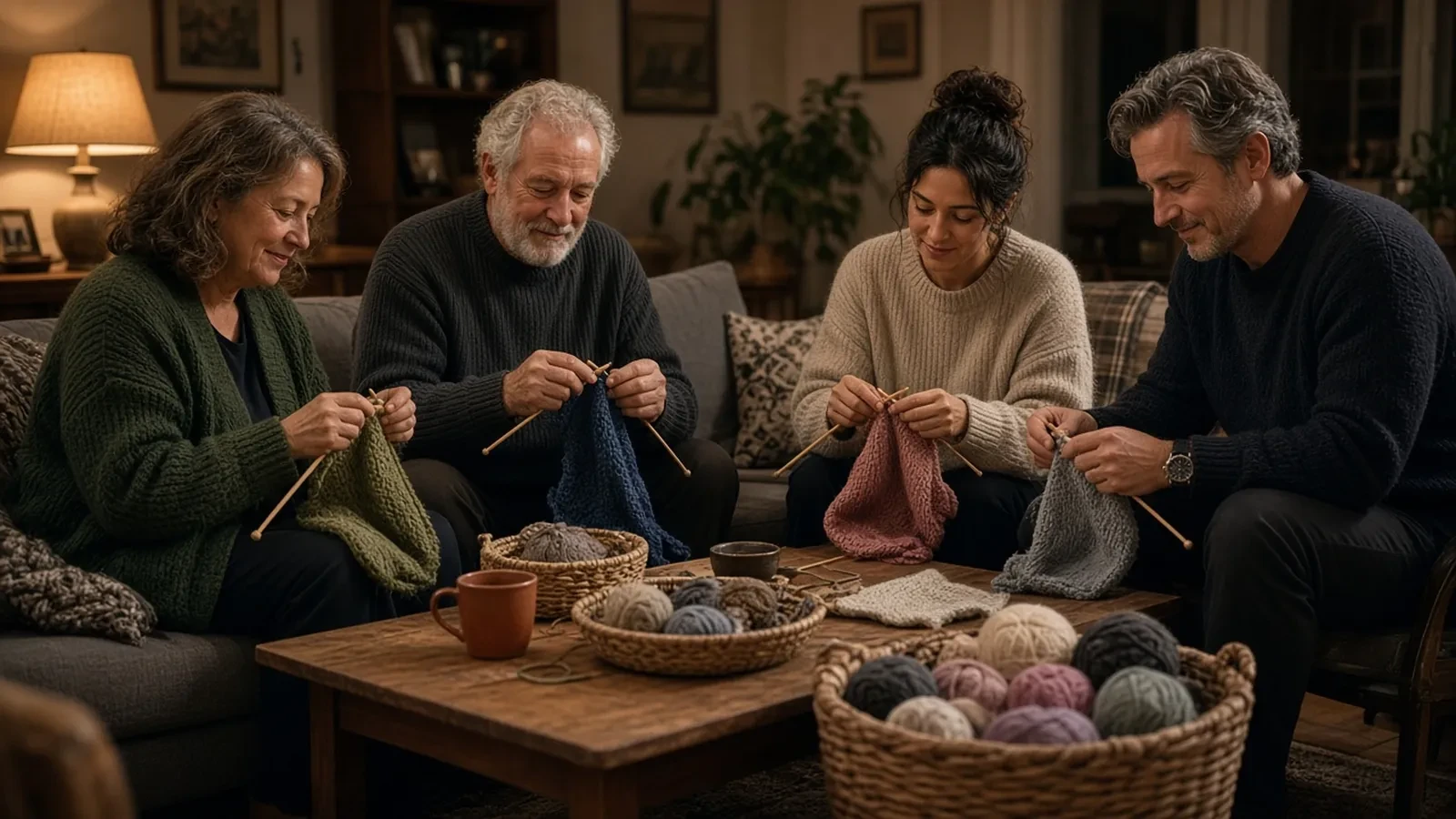
A knitting circle breaks when the living room has eight chairs and twelve people are standing with bags, or when a beginner who was promised a kit arrives and the host bought yarn for the people who already have a project. Chairs, whether someone is learning or bringing work in progress, and the kits on the table are set before anyone sits down. The host does not produce another pair of needles because a friend decided to come after the shop order closed. A maybe does not hold a chair.
You can create a knitting circle RSVP that fills the chairs you actually have, records who needs a beginner kit and who is bringing a project, and stops when the circle is full.
Ask what the room can seat
Count chairs before you send the link. Write down how many people can sit with a bag at their feet, how long the circle runs, whether it is in a home or a shop classroom, and whether the table can hold a project without taking someone's seat. Those numbers are your cap. Do not guess from the number of people in the group chat. A sofa may seat one person who is knitting.
A seat is one knitter. Ask whether a friend who will not knit can sit in the room, and whether that person still takes a chair you need for someone with needles. Pick one rule and write it on the page. If the circle is for people who are stitching, say that a guest without a project should not take a chair.
Ask what a beginner kit includes and the last day you can change the kit count without paying for yarn the shop will not take back. Write the skill the kit assumes. People can decide before they claim a chair.
Set a capacity limit on knitters, not on everyone who was invited. When the last chair is taken, the form should say the circle is full. A friend who might come still needs a seat and, if they are new, a kit. If the yarn is already bought, they are not in this meeting.
Beginner kits and projects are different piles
Someone midway through a sweater does not need the same supplies as someone who has never held a needle. Collect the line before you shop.
Bringing a project means they have yarn, needles, and work to do. They need a chair only
Needs a beginner kit means you are supplying the yarn and needles you listed, and they are counted in the kit order
Can help a beginner means they are bringing their own project and are willing to sit next to someone new. This is not a second class
Cap the kit line at the number of kits you will buy. If you have four kits and a fifth beginner says yes, they wait or they bring their own supplies. Do not promise a kit and then split one skein across two people. Write the yarn weight and the needle size on the page so a beginner does not also buy a conflicting set.
Only if you are allowing one, track that plus-one separately. That person needs their own chair answer and their own kit answer. A note that says "I might bring my sister" is not a kit and not a seat. If the room is full, the answer is no, including for a plus-one.
The chair itself
Knitting is a long sit. Ask about seating needs only where you can honor them: a firm chair with a back, a seat at the table rather than on a low sofa, or no preference. If every seat is a folding chair, say that and skip the question. A preference you cannot meet should not be on the form. Say whether the room has a step. People who need a different setup can decide before they come.
Put the start time and the time you stop on the page. A late knitter can still sit if a chair remains, but a beginner kit that was handed to someone else is gone. Do not promise that you will restart the cast-on lesson for one person who arrives at the end. If the shop classroom has a hard stop because another class comes in, print that clock time.
The moment you buy the yarn
The meeting point is the host's door or the shop classroom, with the address and where to ring. Put the host's phone on the page. A shop circle still has your chair count, not the shop's entire floor. The wall of yarn is not your backup kit supply unless you paid for those skeins.
Say what people should bring if they are not on the kit list: the project and a bag that fits under the chair.
Tie your RSVP deadline to the kit order, the day you pay the shop. After that, a late yes is a call about a cancellation, not a promise of another chair or another kit. If you want names ready when someone drops, keep them as standbys and tell them they do not have a seat until you write back. A maybe does not hold a chair.
Export the list the day you order: attending or not, beginner kit or own project, seating limit you can meet, and phone. A knitting circle RSVP is finished when every chair has a knitter, every kit has a name, and nobody is standing in the doorway with a bag and no place to sit.