
Ikebana Workshop RSVP Website: Stem Counts, a Vase Cap, and a Place Line
An ikebana workshop RSVP has to lock a stem set and a vase place before the first cut, because a maybe does not hold a stem set.
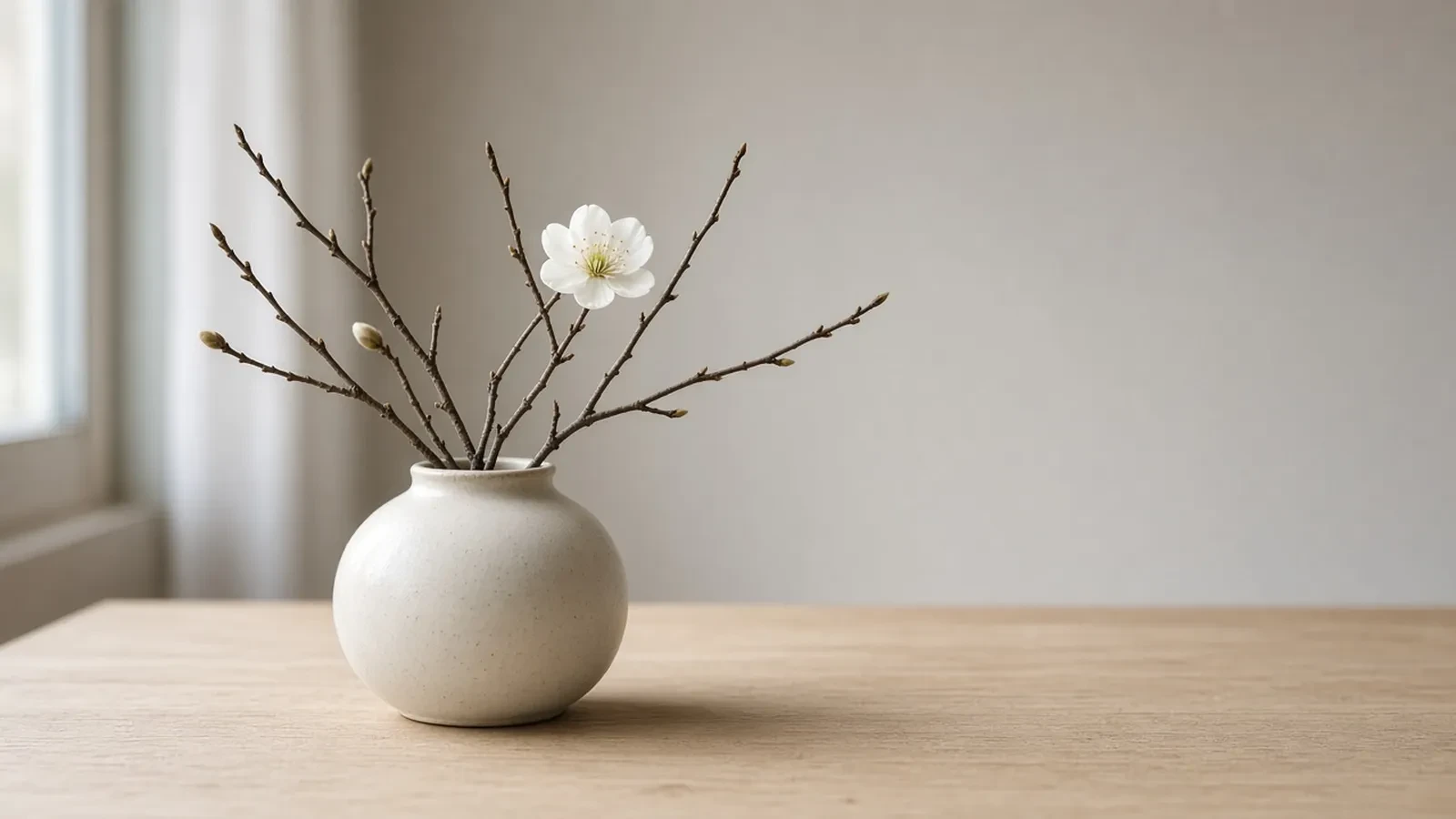
An ikebana workshop breaks when the host orders enough stems for eighteen arrangements, the room safely serves twelve people, and fourteen people answer yes after the flowers and vases are counted. Stems, vessels, tools, water, table space, and the number of people who can work without reaching across another arrangement are set before the first cut. The host does not add another place because a friend decided to come after the supply list closed. This is a guided ikebana workshop with shared instruction and planned materials, not an open flower table. A maybe does not hold a stem set.
You can create an ikebana workshop RSVP that counts stem sets, captures access notes, and closes when the vase cap is reached.
Count stems, vases, and table space
Walk through the studio before you send the link. Write down how many stem sets the order includes, how many vases and tools are ready, how much water and cleanup space each maker needs, and whether a spare set is for the instructor or a late replacement. If the room can serve twelve named participants without hands crossing the table, that number is your cap: twelve makers, not a crowd waiting for a vase.
An ikebana workshop place is one named person, one vase, and one workable station. The maker can reach the stems, hear the cutting instructions, use the tools at the stated time, and set the finished arrangement where it will not take a second person's place. There is no promise that one extra guest can share a vase and still receive a planned arrangement, no unplanned set when the stems are sorted, and no host quietly doubling the table after the start. Ask whether a companion who will observe rather than make needs a chair and a place. Pick one rule and write it on the page. Guests stay within the places you named; they do not join when the first flowers are unpacked.
Ask the studio or flower supplier when the final count must be fixed for stems, vases, tools, water, and cleanup. If the order needs the number by Thursday for a weekend workshop, Thursday is your lock. Write the finish too: the final planned arrangement is placed, the tools are collected, and the tables are cleared before the host closes. A thirteenth maker “if we share a vase†is not a plan.
Set a capacity limit on makers, not on everyone invited to view the arrangements later. When the twelfth place is taken, the form should say the workshop is full. If stems and vase positions are already measured, a late guest is not an unplanned arrangement.
The place line is the last planned arrangement
Name the work you will complete and stop there. A clear place line is the final stem set, the last planned instruction, and a handoff at “the final arrangement is placed and the tables are clear,†not a workshop that keeps adding vases until every person gets a fresh set. An informal flower visit has different quantities and teaching; it is not this shared materials station. A second session is a different event and needs another stem count.
Put that place line on the form as the point you will stop, not a vague “we will fit in one more arrangement.†If the workshop ends when the named pieces are placed and the tools are safe, that is the cutoff. People who want to begin after the last planned instruction will still be waiting when the host has to close the table. You need a yes to this stem set, this vase place, and this end time before you finalize the list.
Who needs a usable station plan
Hands-on gatherings go wrong when access needs are treated as a note for later. A participant may need a seated work position, a clear route to the sink, extra time between steps, or a place with room for a mobility aid. Ask whether a household is one maker with one vase or two people who each expect an arrangement, and do not assume a companion can share one station without changing the count. A participant whose needs cannot be met by the planned setup does not get assigned a place that only looks available on paper.
Collect accessibility needs on the RSVP so you can reserve clear space, position tables, and brief the instructor before the first cut. Record who is making, who is assisting, and who needs a different tool or seat. A station is assigned to a person, not to an uncertain headcount.
The moment the vase station is locked
The meeting point is the studio entrance, tool table, and station order you named, not “come by anytime†with no setup plan. Put the host’s phone on the page. A message in the group chat is not a stem count. You match names to vases, access notes, and the people who need a clear route.
Tie the deadline to the flower order, instructor plan, and cleanup schedule, the day the stem count cannot change. After that, a late yes is a call about a cancellation, not a promise of another arrangement. If you want names ready when someone drops, keep them as standbys and tell them they do not have stems until you write back. A maybe does not hold a stem set.
Export the list the morning you lock: attending or not, stem count, vase assignment, accessibility notes, vase cap, place line, and phone. An ikebana workshop RSVP is finished when every stem set has a named maker, the last planned instruction is the one you will actually teach, and a late guest knows whether they are making, observing from a separate plan, or waiting for a cancellation.