
How to Host a Christmas Party at Home: A Step-by-Step Checklist
A step-by-step guide to hosting a Christmas party at home: setting the date and guest list, invitations and RSVPs, an easy menu, drinks, decorations, games, a planning timeline and tips for kids, small spaces and friends.
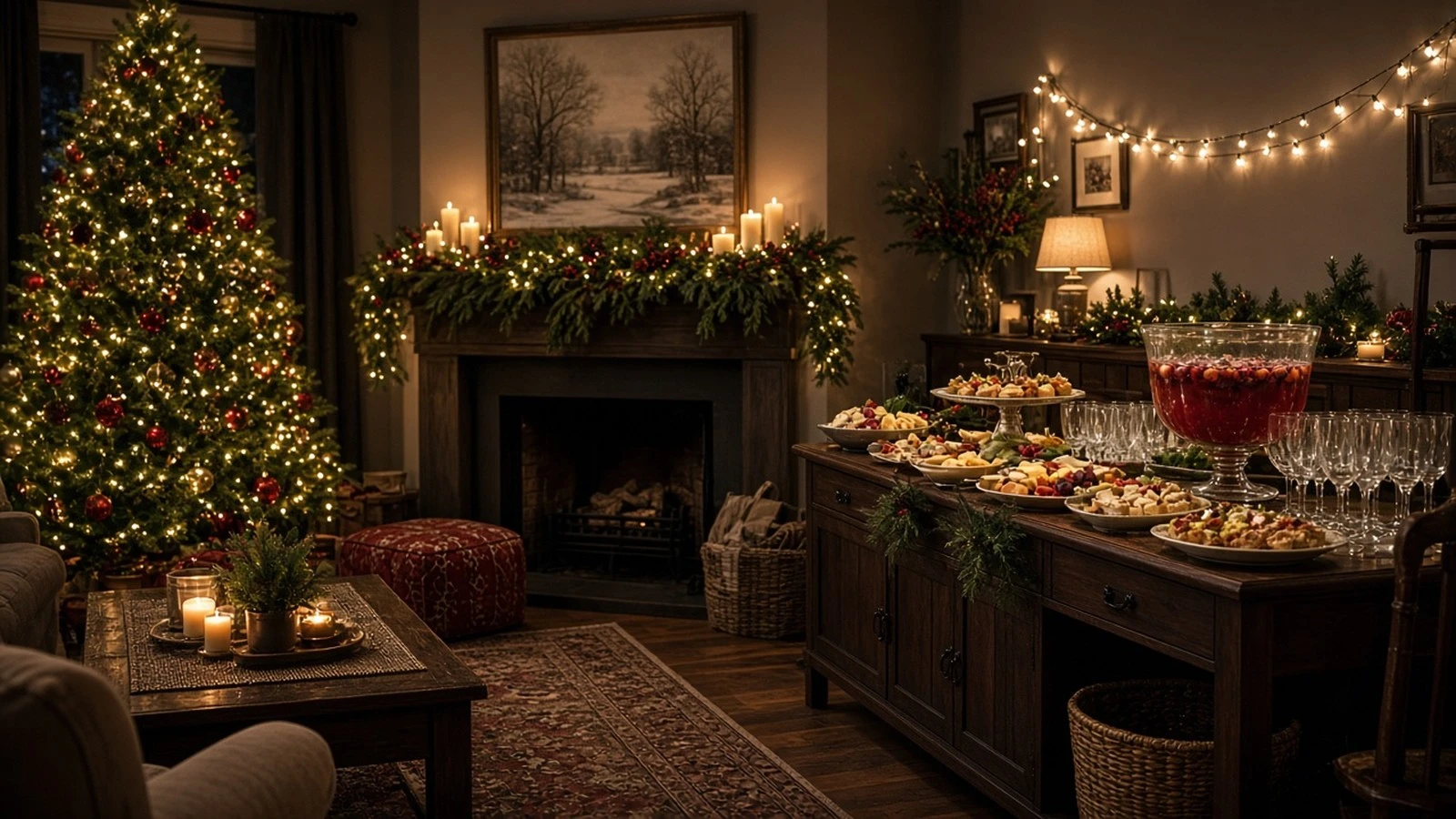
Hosting a Christmas party at home comes down to a few core steps: pick a date and party style, set a guest list and budget, send invitations early to collect RSVPs, plan a simple menu and drink selection, decorate key spaces, plan one or two light activities, and prep as much as possible before guests arrive. By breaking down the preparation into manageable tasks, you can enjoy your own gathering instead of spending the whole evening working in the kitchen.
Whether you are welcoming neighbors, hosting close friends, or throwing a festive afternoon gathering for families, this complete guide covers everything you need to organize a memorable holiday celebration without the stress.
Choosing Your Christmas Party Style
Before picking out decorations or sending invitations, decide on the style of your party. The format you choose determines how much prep work is required, how your living space will function, and what kind of budget you need.
Open House
An open house allows guests to drop in and leave within a set window, such as a few hours in the afternoon. This format works exceptionally well if you have a long guest list or a slightly smaller home, as not everyone is present at the exact same time. Food should consist of room-temperature finger foods and batch cocktails that guests can help themselves to throughout the afternoon.
Sit-Down Dinner
A sit-down holiday dinner offers an intimate, traditional setting for a smaller group of close friends or family. It requires more effort per guest regarding seating arrangements, table setting, and synchronized food prep. This format is ideal when you want a relaxed, structured evening centered around conversation and a multi-course meal.
Cocktail Party
A festive evening cocktail party focuses on small bites, heavy appetizers, and festive drinks. It typically starts later in the evening and encourages guests to mingle throughout the room. If you enjoy creating a sophisticated atmosphere with music, ambient lighting, and elegant presentation, a cocktail party is a great choice. You can explore creative concepts with these Christmas party themes to match your evening setup.
Holiday Potluck
A potluck splits the cooking responsibility among your guests, making it one of the easiest ways to host a large gathering on a budget. As the host, you provide the main dish, ice, and basic drinks, while guests bring sides, appetizers, or desserts. This format keeps costs low and brings a wonderful variety of family traditions to the food table.
Festive Holiday Brunch
Hosting a weekend morning or early afternoon brunch is a delightful alternative to evening parties. Breakfast casseroles, pastries, fresh fruit, and a coffee or mimosa bar are easy to set up. Brunch is ideal for families with young children or groups who prefer earlier, low-key celebrations.
Kid-Friendly Afternoon
If your guest list includes lots of families, a dedicated afternoon gathering built around kids' activities keeps everyone happy. Set out simple crafts, cookie-decorating supplies, or holiday movies while parents relax nearby. Keeping the hours limited to two or three hours ensures the energy stays high without tiring out the youngest guests.
Picking the Date and Time
December calendars fill up faster than almost any other time of year. Choosing the right date early gives your guests the best chance of attending.
Weekend Evening vs. Weeknight Options
Friday and Saturday evenings are prime real estate for holiday parties. Because weekend dates book up quickly with company events and family commitments, consider alternative time slots:
Thursday evenings: Great for a casual after-work cocktail hour or cozy dessert gathering.
Sunday afternoons: Perfect for a relaxed open house, potluck, or family-focused afternoon.
Early December dates: Hosting in late November or the first week of December can make it easier for guests to attend than waiting until the busy week right before the holidays.
Setting Start and End Times
Providing a clear start and end time on your invitation helps guests plan their schedules and manages expectations for the evening. A four-hour window is standard for evening parties, while open houses or kid-friendly afternoons work well with a three-hour range.
Guest List and Budget Planning
Keeping your guest list aligned with your space and budget prevents last-minute stress and ensures everyone stays comfortable.
Estimating Space and Capacity
Look closely at your living space and dining area. For a seated dinner, you are limited by the number of chair spots at your table or temporary seating arrangements. For a standing cocktail party or open house, aim for comfortable movement without overcrowding doorways or hallway flow. Remember to factor in space for winter coats, boots, and a serving table.
Setting a Realistic Budget
Holiday hosting costs can accumulate quickly if you do not track expenses from the start. Divide your overall budget into major categories:
Food and Drinks: Usually the biggest part of the budget.
Paper Goods and Rentals: Extra plates, napkins, glasses, or foldable chairs.
Decorations and Ambience: Fresh greenery, candles, or basic tabletop decor.
Activities: Supplies for gift swaps, games, or craft stations.
To keep costs manageable, focus your spend on good food and warm lighting rather than elaborate, single-use decorations.
Christmas Party Invitations and RSVPs
Sending clear invitations early ensures you get an accurate headcount for food prep and seating.
When to Send Invitations
Aim to send out your invitations three to four weeks before the event. During peak holiday season, giving guests ample notice helps them reserve the date before their schedules fill up completely.
Essential Details to Include
Your invitation should cover all essential details so guests know exactly what to expect:
Host name, date, and start/end times
Address and parking instructions
Party style (e.g., cocktail party, potluck, casual open house)
Dress code or special theme (e.g., festive attire, ugly sweaters)
RSVP reply-by date (typically one to two weeks before the party)
Guidelines on plus-ones and children
To tailor your messaging for different gathering types, browse through these Christmas party invitation wording examples for inspiration.
Managing RSVPs Digitally
Collecting headcount, dietary restrictions, and dish commitments over text messages or group chats can quickly become messy. Using a dedicated RSVP tool keeps your holiday planning seamless and organized.
One simple option is a Christmas RSVP website made with SnapRSVP. You share it by link or QR code, guests reply from their phones or computers, and there is no limit on how many can respond.
You can add your own RSVP form questions to gather the details you need up front, such as dietary needs, how many people are coming or what dish someone plans to bring to a potluck. Every answer lands in one guest list dashboard that you can export as a PDF or CSV.
It is a one-time payment per RSVP website with no subscription, as shown on the pricing page: $19.99 for a website with a banner or portrait image at the top, or $29.99 for a video website with a looping video at the top. For more on planning around your replies, see our guide to Christmas party RSVPs online.
Planning the Menu
A successful party menu balances taste, variety, and ease of prep. The best menu is one that allows you to spend time with your guests rather than standing over a hot stove.
Make-Ahead Savory and Sweet Options
Choose dishes that can be fully cooked or assembled hours, or even a day, before the party. Casseroles, slow-cooker braises, cold dips, charcuterie boards, and room-temperature tarts free up your time. Pair savory platters with easy-to-grab sweets like bar cookies, truffles, and small holiday pastries. Gather inspiration from these Christmas party food ideas to craft a balanced spread.
Managing Dietary Needs and Allergies
Always collect dietary restrictions on your RSVP form. Label dishes clearly on the food table using small place cards to identify gluten-free, dairy-free, vegetarian, or nut-free options. This simple step gives guests confidence when serving themselves and saves you from answering repetitive questions during the party.
Estimating Food Quantities
While exact amounts vary depending on your group, plan around general guest habits:
Cocktail parties: Plan for multiple bites per person per hour for an evening event.
Buffets and dinners: Provide a solid balance of one primary main dish, two to three side dishes, a fresh salad, and two dessert options.
Open house: Keep appetizers topped off gradually throughout the timeframe rather than putting everything out at once.
Drink Stations and Beverage Prep
Setting up a dedicated drink station keeps beverage service running smoothly and prevents kitchen congestion.
Signature Holiday Cocktails
Offering one signature drink, such as a festive punch, a spiced cranberry mule or warm mulled wine, adds a seasonal touch while minimizing the need for a full bar stock. Mix up large batches in punch bowls or drink dispensers before guests arrive.
Non-Alcoholic Options
Always provide thoughtful non-alcoholic options beyond tap water. Sparkling apple cider, flavored seltzers, seasonal craft sodas, or an alcohol-free punch recipe ensure every guest feels included in the celebration.
Hot Drink Stations
A hot beverage bar is a comforting feature for winter parties. Set up a station with hot cocoa, freshly brewed coffee, or hot cider. Provide thermal carafes alongside toppings like marshmallow cream, cinnamon sticks, whipped topping, crushed peppermint, and flavored syrups.
Decorating and Setting the Mood
Creating a warm holiday atmosphere relies heavily on lighting, sound, and simple sensory details rather than over-the-top decor.
Ambient Lighting and Scents
Dim your overhead lights and rely on warm lamps, strung fairy lights, and candles to create a cozy environment. Use seasonal scents carefully; subtle natural greenery, cinnamon sticks simmered on the stove, or soft beeswax candles are preferable to overly strong synthetic air fresheners around food areas.
Background Music Playlists
Curate a music playlist that lasts longer than your party so songs do not repeat. Start with softer, acoustic, or classic jazz holiday tunes as guests arrive, shifting toward more upbeat tracks as the evening progresses. Keep the volume low enough that guests can converse comfortably without shouting.
Coat Space and Photo Spots
Clear out your entryway closet or set up a dedicated garment rack with plenty of hangers for heavy winter coats. Designate a bench or rack for boots and umbrellas. If space allows, create a simple photo backdrop near a Christmas tree or decorated wall with fun holiday props so guests can take photos together.
Games and Activities
Plan one or two simple activities to break the ice, but keep participation optional so guests can choose to relax and chat instead.
Gift Exchanges
A gift swap is a classic way to spark laughter and conversation. If you choose a festive Secret Santa or a humorous exchange, review the standard white elephant rules in advance so everyone knows how stealing and turn orders work.
Trivia and Competitions
Organize a brief round of holiday movie or music trivia during a lull in the party. You can also host an ugly sweater showcase. Explore these ugly sweater party ideas for fun category awards like "Most Festive," "Most Creative," or "Brightest Lights."
Cookie Decorating and Caroling
For interactive fun, set up a cookie bar with plain sugar cookies, royal icing, and colorful sprinkles. If you want to build an entire event around baking, learn how to host a cookie exchange party where guests trade homemade baked goods. For groups that love music, wrapping up the night with group caroling around the tree creates a festive tradition. For more activity ideas, browse our collection of holiday party games for adults.
Special Hosting Scenarios
Adapting your setup to your space and your guests helps the party run smoothly.
Hosting in Small Spaces or Apartments
If you host in a small space, remove unnecessary clutter and non-essential furniture to maximize floor area. Use vertical space for food presentation with tiered serving trays. Keep food in one central spot and beverages in another to prevent traffic bottlenecks in narrow rooms.
Parties with Kids
When hosting families, create a designated space equipped with low-mess crafts, coloring sheets, and kid-friendly snacks. Set up a cozy corner with cushions where kids can watch a seasonal animated movie while adults socialize nearby.
Friends-Only Gatherings
A friends-only party offers flexibility for casual themes, interactive trivia, themed dress codes, or late-night cocktail mixing. Focus on relaxed lounge seating, heavy finger foods, and a shared music playlist.
Complete Christmas Party Planning Checklist
Follow this step-by-step timeline to keep your preparation on track from initial planning to wrap-up.
Four Weeks Before
Pick your party date, start time, and party style.
Draft your guest list and outline your overall hosting budget.
Create your online RSVP page to collect RSVPs and guest details effortlessly.
Send out digital or physical invitations with your RSVP link.
Two Weeks Before
Finalize your menu choices and beverage list.
Confirm any guest dietary restrictions from your RSVP dashboard.
Purchase non-perishable food items, serving platters, paper goods, and decorations.
Plan any party games, gift exchange rules, or music playlists.
One Week Before
Confirm final headcounts from your RSVP guest list.
Deep-clean your main entertaining areas, bathrooms, and entryway.
Arrange for extra seating, coat racks, or garbage bins if needed.
Create a detailed shopping list for fresh grocery items.
Two to Three Days Before
Complete your grocery shopping for fresh produce and perishables.
Chill wines, beers, and non-alcoholic beverages.
Prep make-ahead dishes, chop vegetables, and bake cookies.
Assemble playlist audio setups and charge any portable speakers.
The Day Before
Set up beverage stations, glassware, napkins, and serving dishes.
Clear entryway space for coats, shoes, and bags.
Complete major kitchen prep work and assemble any oven-ready casseroles.
Wipe down bathroom surfaces and restock hand towels and paper products.
The Day Of
Complete final touch-ups, light candles, and set room lighting.
Prepare warm drink carafes and batch cocktails.
Put out cold food platters half an hour before guests arrive.
Start your playlist 15 minutes before the party start time.
After the Party
Package up extra food into glass containers for easy storing or sending home with guests.
Soak dirty pans and load the dishwasher before heading to bed.
Send quick thank-you texts or digital messages to your guests over the next couple of days.
Day-of Hosting Tips and Wrapping Up
When party day arrives, your primary goal is to remain relaxed and present.
Welcoming Guests and Setting the Tone
Greet your guests warmly at the door, take their coats, and direct them toward the drink station. Introducing guests who do not know each other helps everyone feel comfortable right away.
Managing Food Flow and Delegating
Keep an eye on serving platters and replenish them in small batches rather than stressing over perfect table arrangements. If guests ask how they can help, delegate easy tasks like opening bottles of wine, refilling ice buckets, or setting out dessert plates.
Wrapping Up the Night Softly
When it is time to conclude the party, gently signal the end by turning up ambient lighting slightly, switching to lower acoustic music, and putting out hot tea or coffee.
Offer extra food in container packs for guests to take home. The next day, send a brief message thanking everyone for coming and sharing any fun group photos taken during the event.
Frequently Asked Questions
How far in advance should you send Christmas party invitations?
Send your invitations three to four weeks in advance. December schedules fill up quickly, so giving guests extra notice gives more of them a chance to come.
How do you host a Christmas party on a budget?
Host a holiday potluck, opt for a cocktail-and-dessert gathering instead of a full dinner, or stick to a single signature batch drink alongside non-alcoholic options. Focus your decor budget on warm lighting and natural greenery.
What do you serve at a Christmas party?
Serve a mix of make-ahead finger foods, savory dips, charcuterie boards, and easy dessert platters for casual parties. For sit-down events, choose dishes like braised roasts or baked pasta casseroles that can be prepared in advance.
How long should a Christmas party last?
Three to four hours is the ideal timeframe for most home holiday parties. It gives guests plenty of time to socialize, eat, and participate in activities without feeling rushed or exhausted.
How do you host a Christmas party in a small space?
Maximize space by clearing clutter, using vertical tiered platters on food tables, and placing drinks away from main food stations to avoid crowding. Keep coat racks in a bedroom or entryway corner to clear floor space.
What games can you play at a Christmas party?
Popular options include white elephant gift swaps, holiday trivia, ugly sweater contests, cookie-decorating challenges, and seasonal caroling.
With early preparation, a simplified menu, and easy guest management, hosting a Christmas party at home can be just as enjoyable for you as it is for your guests.