
Holiday Party Budget Per Person: Realistic Costs for 2026
How much to budget per person for a holiday party: realistic cost ranges for home parties and office events, a line-by-line breakdown, and ways to cut costs.
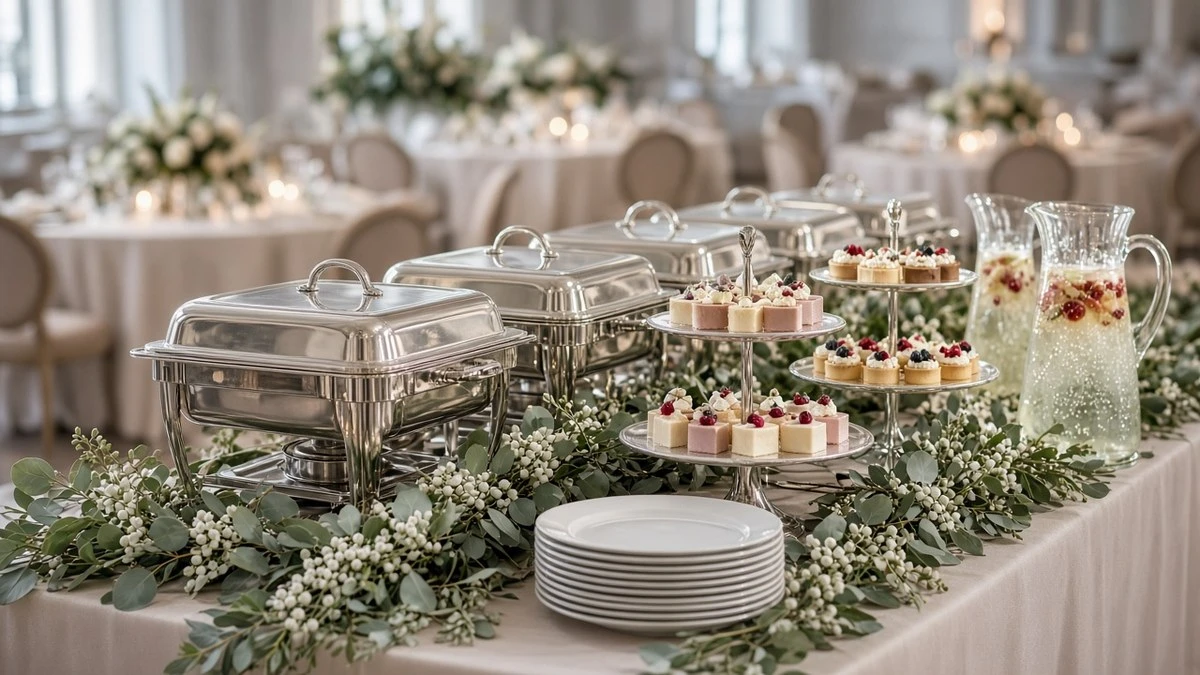
The question every holiday party planner asks first is "how much should we spend?" The honest answer depends on whether you are hosting friends in your living room or 150 employees at a hotel, but per-person budgeting gives you a reliable way to plan either one. Below are realistic per-person ranges, a breakdown by category, and practical ways to make the money go further.
All figures are typical US ranges in 2026 dollars and will vary by city. Treat them as starting points, then get real quotes.
Typical holiday party budget per person
Home parties
Potluck or casual open house: $10 to $20 per guest (drinks, a main dish, paper goods, decor)
Host-provided cocktail party: $20 to $40 per guest (heavy appetizers, beer, wine, and a signature cocktail)
Sit-down holiday dinner: $30 to $60 per guest (multi-course meal and wine)
Office and company parties
In-office lunch or afternoon party: $25 to $50 per employee
Restaurant buyout or private room: $60 to $125 per person
Venue with catering and bar: $100 to $200 per person
Formal gala with entertainment: $175 to $350+ per person
Virtual party with shipped kits: $30 to $75 per remote attendee
Where the money goes: a sample breakdown
For a venue-based company party, a common split looks like this:
Food and catering: 40 to 50 percent
Drinks and bar service: 15 to 25 percent
Venue and rentals: 15 to 25 percent
Entertainment (DJ, band, photo booth): 5 to 15 percent
Decor and lighting: 5 to 10 percent
Gifts, favors, and prizes: 3 to 8 percent
Contingency: 5 to 10 percent for overages, tips, and service fees
For a home party, food and drinks usually make up 70 to 80 percent, with the rest going to decor, disposable goods, and any rentals like extra chairs.
Example: a $40-per-person home cocktail party for 20
Total budget: $800
Heavy appetizers (homemade plus a few store-bought platters): $300
Wine, beer, and one big-batch cocktail: $250
Non-alcoholic drinks, mixers, and ice: $50
Desserts: $60
Decor, candles, and flowers: $70
Plates, napkins, cups, and trash bags: $30
Buffer: $40
Example: a $120-per-person office party for 60
Total budget: $7,200
Catering (passed appetizers plus buffet): $3,300
Two-hour beer and wine package: $1,400
Venue fee or room rental: $1,200
DJ: $600
Decor and centerpieces: $300
Raffle prizes: $250
Contingency, tips, and fees: $150
Remember that catering quotes often exclude service charges (frequently 18 to 25 percent) and tax. Ask for an all-in number.
Budget based on who will actually show up
The biggest budgeting mistake is planning for everyone invited. Not all of them will come, and some who say yes will not show. Our article on how many invited guests actually attend covers typical attendance rates. In practice:
Collect firm RSVPs with a deadline at least ten days before the event
Budget food for confirmed guests plus about 5 percent
For company parties, expect some no-shows; caterers usually need a guaranteed count 7 to 14 days out, and you pay for that number
Food: the largest line item
Plan portions per person rather than guessing. For a cocktail party, about six to eight appetizer pieces per guest in the first hour and four to six per hour after works well. Our guide to how much food per person breaks it down by party type. Buffets often cost less than plated meals; stations and passed appetizers fall in between.
Drinks: decide the bar style early
The bar choice can swing your budget dramatically:
Open bar: most generous and most expensive, often $25 to $50 per person for a few hours
Beer and wine only: commonly 30 to 40 percent less than a full bar
Drink tickets: two per person, then cash bar
Signature cocktail plus wine: a festive middle ground
We compare these in more detail in our post on open bar vs cash bar.
10 ways to cut cost per person
Host in early December or January. Venues charge less outside peak weekends; a "New Year kickoff" in mid-January can cost far less.
Choose a weekday. Thursday evenings and weekday lunches are often cheaper than Saturday nights.
Go with stations or a buffet instead of plated dinners.
Limit the bar to beer, wine, and one signature drink.
Shorten the event. A three-hour party costs less than five hours of staff and bar service.
Use the office or a free community space and spend the savings on food.
Skip printed invitations. Digital RSVPs are free and give you accurate counts.
DIY decor with greenery, candles, and string lights rather than florals.
Swap a band for a playlist plus a good speaker, or a DJ for half the night.
Close RSVPs firmly. Every unneeded meal you avoid ordering is money saved.
A simple budgeting process
Set your total budget or per-person number
Estimate realistic attendance from your invite list
Allocate by category using the percentages above
Get two or three quotes for catering and venue
Collect RSVPs and update the count weekly
Confirm the final guaranteed count with vendors
Track actual spend against your plan for next year
Home vs office: who pays for what
At home, the host usually covers the main food, drinks, and setup, while guests may contribute a dish or a bottle. For company parties, the budget usually comes from an events or culture line item, and leaders sometimes add personal contributions for prizes. Either way, write the budget down before booking anything. A per-person cap you can point to makes every later decision, from the bar to the dessert table, much easier.
Accurate headcounts are the foundation of every number on this page. Track your holiday party headcount with an RSVP page that has a firm deadline and a meal question, and budget with confidence.