
Drive-In Movie Night RSVP Website: Seat Counts, a Row Cap, and a Start Line
A drive-in movie night RSVP has to lock a car seat and a parking place before the projector starts, because a maybe does not hold a spot in the viewing row.
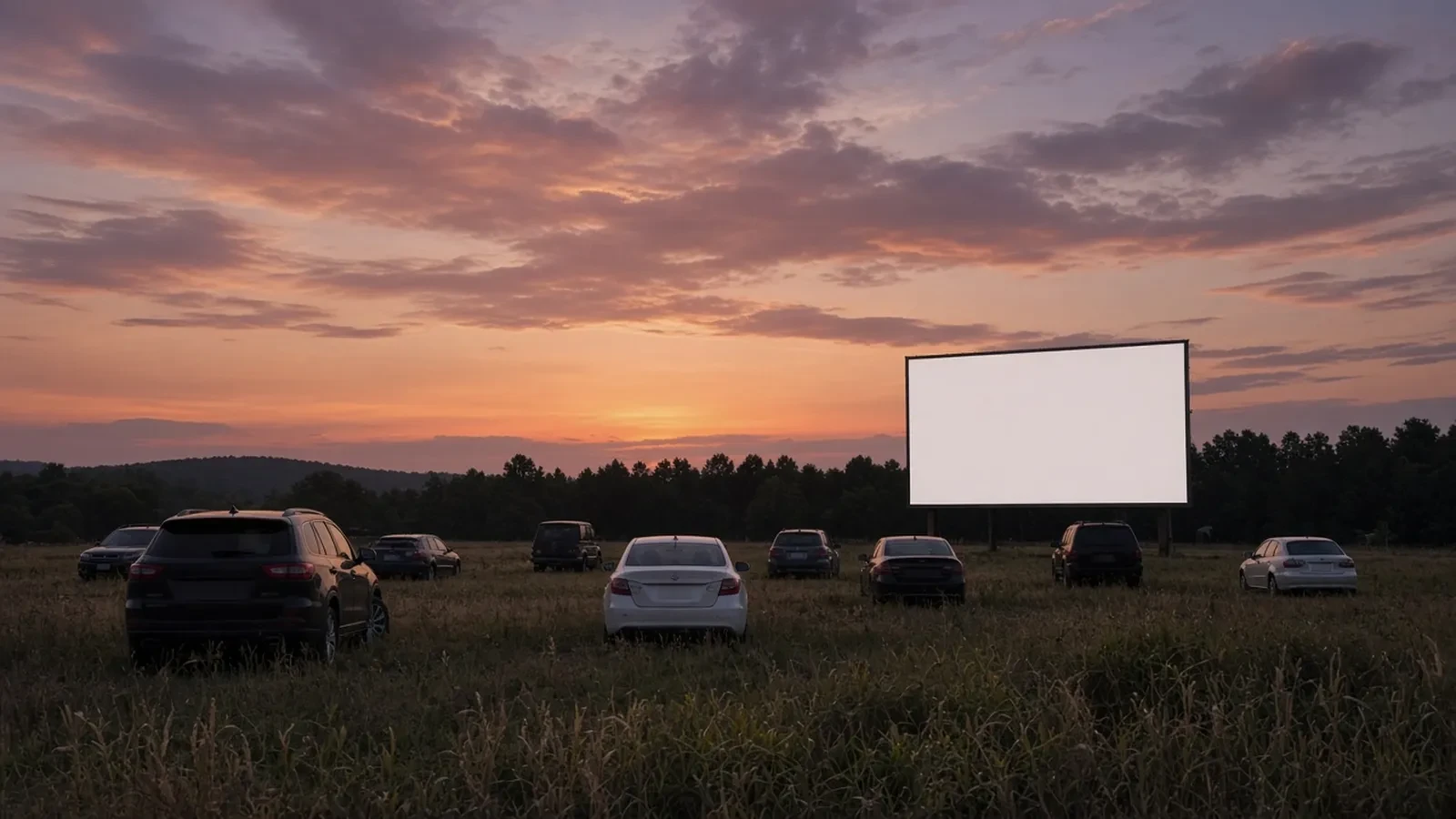
A drive-in movie night breaks when the host has marked twenty parking spaces, the screen sightline safely serves twenty-four people, and thirty guests answer yes after the lot plan is closed. Parking spaces, vehicle height, audio method, concessions, blankets, lighting, and the number of people who can see without blocking another car are set before the projector starts. The host does not add a car because a friend decided to come after the list closed. This is a planned screening with marked places and a named arrival order, not a drop-in lot. A maybe does not hold a viewing spot.
You can create a drive-in movie night RSVP that counts seats, collects arrival windows, and closes when the row cap is reached.
Count cars, seats, and clear sightlines
Walk the lot before you send the link. Write down how many spaces are marked, how many people each space can hold without standing in the drive lane, how many low and high vehicles the layout allows, and whether a spare space is for the host or a replacement. If six rows can hold four cars each with a clear view of the screen, that number is your cap: twenty-four people or the vehicle-and-seat combination you specify, not an unplanned crowd behind the last row.
A drive-in place is one named vehicle or one named seat allocation, with a clear sightline and a workable way to hear the film. The guest can arrive in the stated window, park in the assigned row, and stay without taking another car’s space. There is no promise that one extra vehicle can “fit along the edge†when the emergency lane and screen view are already planned. Ask whether a household is bringing one car with four guests or two cars with two guests each, and record that separately. Pick one rule and write it on the page. Guests stay within the spaces you named; they do not join because the first trailer has not started.
Ask the lot owner or venue when the final count must be fixed for parking attendants, permits, concessions, and the screen layout. If the marked plan must be sent by Wednesday for a Saturday screening, Wednesday is your lock. Write the finish too: the final vehicle is parked, the drive lane is closed, and the projector is ready before the host closes. A twenty-first car “if we angle it†is not a plan.
Set a capacity limit for vehicles and guests, not for everyone invited to watch from outside the marked lot. When the last planned space is taken, the form should say the screening is full. If the rows and sightlines are already measured, a late guest is not an unplanned parking place.
The start line is the last planned arrival
Name the work you will complete and stop there. A clear start line is the final car parked, the lot checked, and “projector on after the safety announcement,†not a screening that keeps admitting vehicles until the opening scene is underway. A public cinema has different quantities and timing; it is not this marked outdoor lot. A second showing is a different event and needs another parking count.
Put that start line on the form as the point you will stop, not a vague “we will let cars in while the movie plays.†If the night begins when the named vehicles are parked and the access lane is clear, that is the cutoff. A guest who arrives after that line may block a row while looking for a place. You need a yes to this parking space, this arrival window, and this start time before you finalize the list.
Who needs a usable arrival and viewing plan
Outdoor screenings go wrong when arrival is treated as a note for later. A guest may need a step-free route from the lot, a quiet edge space, a seat outside the car, subtitles, or a way to receive audio without a running engine. Ask whether a household is one vehicle with several named viewers or separate vehicles, and do not assume a child or companion occupies no place. A guest whose needs cannot be met by the planned lot does not get assigned a spot that only looks available on paper.
Collect arrival time windows so you can group parking rows, direct late traffic before the lane closes, and keep the screen view clear. Record the vehicle, named viewers, viewing arrangement, and anyone who needs an alternate route or audio plan. A parking place is assigned to a real arrival, not to an uncertain headcount.
The moment the row cap is locked
The meeting point is the lot entrance, row letter, and parking direction you named, not “come by anytime†with no traffic plan. Put the host’s phone on the page. A message in the group chat is not a parking count. You match names to vehicles, rows, arrival windows, and the people who need a seat outside a car.
Tie the deadline to the permit, lot map, concessions, and projector plan, the day the marked spaces cannot change. After that, a late yes is a call about a cancellation, not a promise of another row. If you want names ready when someone drops, keep them as standbys and tell them they do not have a parking place until you write back. A maybe does not hold a viewing spot.
Export the list the morning you lock: attending or not, vehicle and seat count, row assignment, arrival window, accessibility note, row cap, start line, and phone. A drive-in movie night RSVP is finished when every parking place has a named arrival, the last planned car is the one you will actually admit, and a late guest knows whether they are parked, watching from a separate plan, or waiting for a cancellation.