
Dodgeball Outing RSVP Website: Ball Counts, a Court Cap, and a Game Line
A dodgeball outing RSVP has to lock a ball set and a court place before the first throw, because a maybe does not hold a roster spot or a scheduled game on a rented floor.
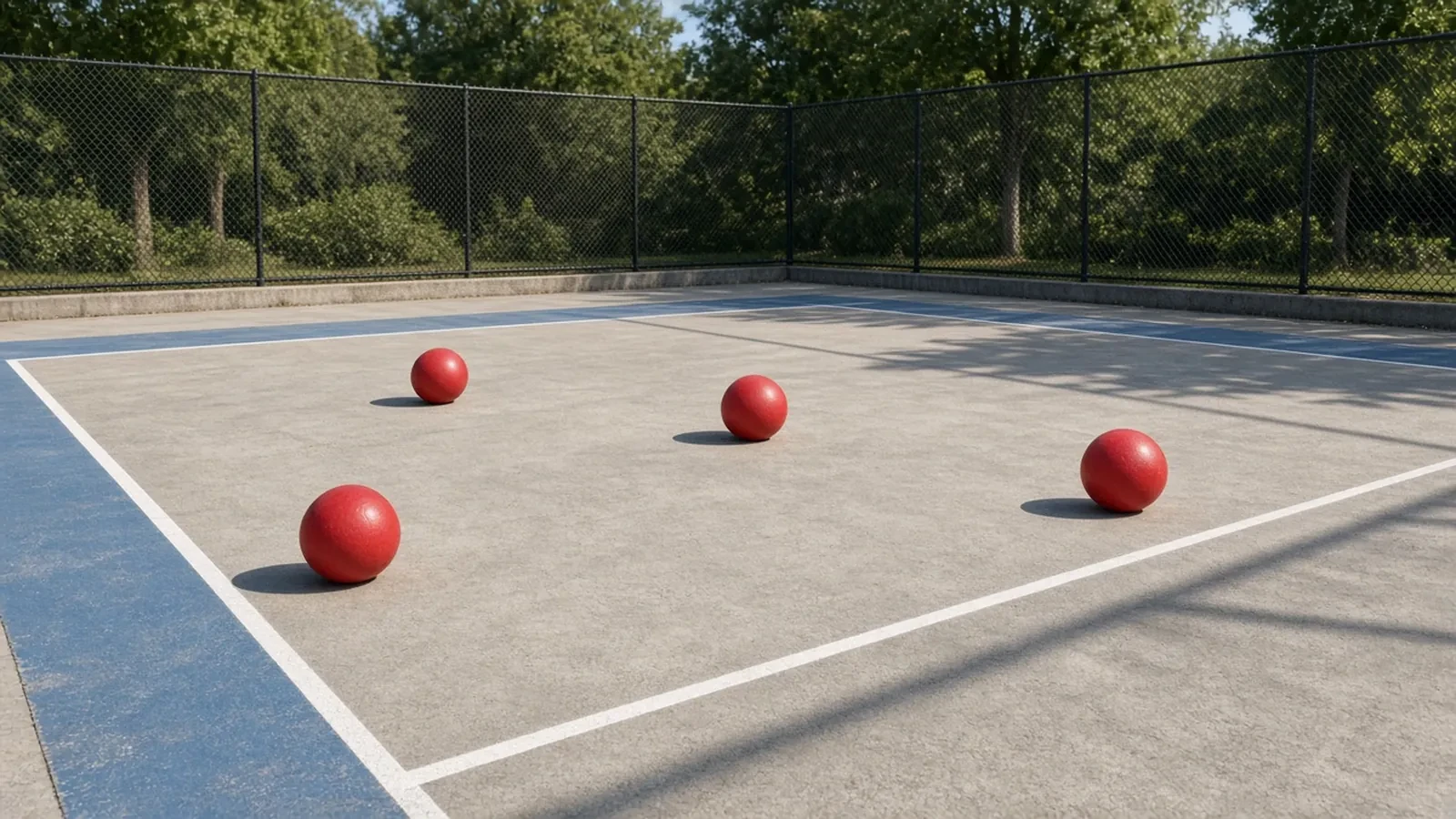
A dodgeball outing breaks when the host reserved one court, packed one bag of balls, and twenty-two people answer yes after the roster is already split. Balls, sides, subs, and a clock that ends when the gym does are decided before the first throw. The host does not open a second court or promise a game that has no time left because a friend decided to come after the list closed. This is one rented floor and a set of dodgeballs, not a mixed field day. A maybe does not hold a spot on a side.
You can create a dodgeball outing RSVP that counts players, records a plus-one as their own answer, and closes when the court cap is reached.
Count balls, sides, and subs
Open the ball bag before you send the invitation. A live game needs a set number of balls on the floor and a spare or two for one that goes flat or leaves the gym. If you play with six balls and you own eight, eight is the equipment count, not a reason to add another full side. A player who wants “to jump in if there is room†is asking you to spend someone else’s place in the rotation.
Count the people the court can actually hold. Six against six is twelve players on the floor. A short bench of named subs is part of the outing only if you already decided how subs enter, and only if those names are on the list. Two beautiful sides do not create thirty throwers. People can rotate, but each person who throws or is thrown at still needs a name on a side. A guest with no side becomes a body on the baseline and a game that stops being fair.
Balls that hold air, plus the spare you will actually bring
Court time on the rental, from first whistle to last bag-up
Players per side, and how many named subs the bench can hold
A line on the floor that stays clear of the door and the water fountain
A bag plan so balls are counted out and counted back in
A dodgeball place is one named player with a side, a role, and a start time. A guest who wants to watch from the wall is not a player. Someone who expects to throw needs a place on the roster. Ask who is playing, who is only accompanying, and whether a late player will accept a sub role if a spot opens. Players stay inside the sides you can field before the gym clock ends. They do not step on because the ball bag still looks full.
The court cap and the game line
One court and twelve active players is a cap only if the rental, the bench, and the safe spacing agree. If the gym allows fourteen people total in the activity, the cap is fourteen, not twenty. The smallest real constraint wins. Set a capacity limit for players, not for every person who might stand near the court. When the last roster spot is claimed, the form should say the dodgeball outing is full. If the sides are written and the balls are pumped, a late guest is not an unplanned player.
The game line is the end of play. Name it: the last game starts at a clock time that still lets you finish, shake hands, and bag the balls before the rental ends. A clear game line stops the outing from becoming an extra match that runs into the next group’s hour. A ball still on the floor is not a promise to a guest who arrives during bag-up. The court is no longer yours, and it is not a new seat.
Plus-ones and an emergency contact
A friend who “might play†is the fastest way to blow a six-on-six. Track plus-ones separately on the RSVP so a yes from one person does not silently become two throwers. A plus-one who will play needs their own name and their own spot under the court cap. A plus-one who is only watching needs a spectator mark and does not take a ball. If your form allows one guest, say whether that guest is a player or a watcher before you print the sides. Do not leave “plus one†as a blank that turns into a thirteenth person on the floor at check-in.
Throws hit legs, ankles roll, and someone may need a person who is not in the gym. Collect an emergency contact on the RSVP for each player: one name and a phone, collected before the first game, not shouted across the court after a fall. You are not running a clinic. You are making sure the host can call someone if a player cannot speak for themselves. Put your own phone on the page so a late arrival or a cancellation is a message, not a guess at the gym door.
The moment the roster is locked
Tie the deadline to the court. If the gym needs a final headcount the day before, that afternoon is your lock. After that, a late yes is a call about a cancellation, not a promise of a side. Standbys can wait, and you tell them they do not have a ball until you write back. A maybe does not hold a pumped ball or a place in the rotation.
The meeting point is the gym door, the check-in time, and the court you named, not “come by whenever and we will be playing.†You match names to players, side or sub, spectator or not, emergency contact, the court cap, the game line, and a phone. Export the list the morning you lock: attending or not, side, player or watcher, emergency contact, and phone.
A dodgeball outing RSVP is finished when every spot on the two sides has a named player, the game line is the last whistle rather than an open court, and a late guest knows whether they are playing, watching from the wall, or waiting for a cancellation.