
Dance Recital RSVP Website: Family Tickets, Two Shows, and Seats You Can Hold
A dance recital RSVP has to count audience seats per show, not dancers, because families will claim more chairs than the auditorium can hold if you only ask who is performing.
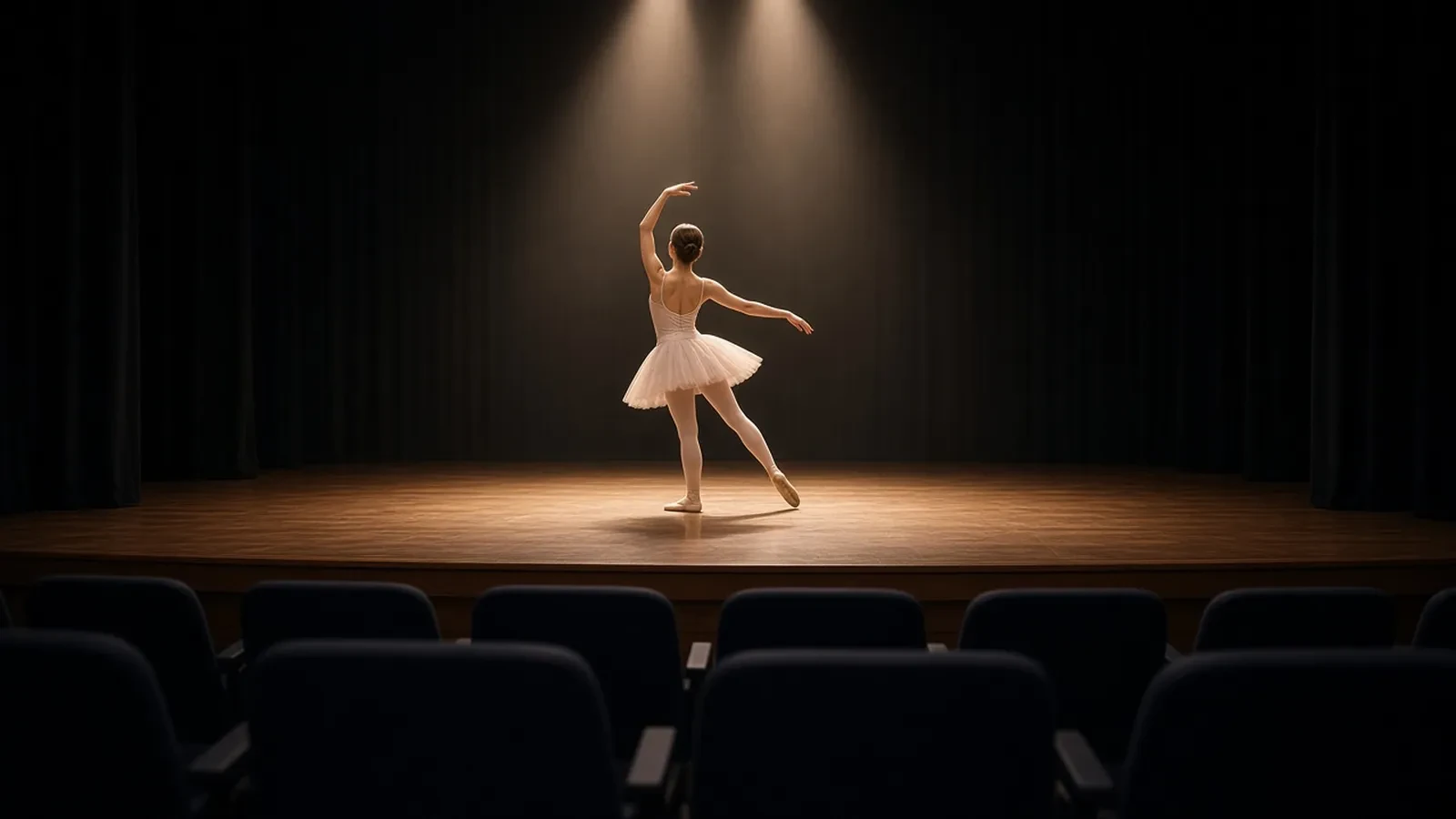
A dance recital RSVP fails when you count dancers instead of the people who need a chair in the house. The cast is backstage. The problem is grandparents, siblings, and friends who all want the same show, plus a studio that asked families to reply with how many and then lost track of which curtain those seats were for. The room’s seat count does not negotiate with a parent who already told family to drive in.
You can create a dance recital RSVP that makes the show a required choice and the seat count a number you can hold. A text that says the whole family is coming is not a seat map.
Count the audience, then split it by show
Start with the number of seats you are allowed to fill, not the number of people who love the studio. Subtract rows you must keep clear, seats the staff need, and any house seats the venue holds back. What remains is the audience cap for that performance. A matinee and an evening show are two caps. A family that wants both is two separate claims. Do not let one reply reserve the same people twice and also assume you will squeeze them into whichever show has space.
Dancers are not audience members while they are on stage or in the wings. Do not dump the cast list into the seat count. A student who finishes a piece and then sits in the house for the rest of the show does need a chair, and that should be a named exception. Siblings who are not performing are audience. If a parent stays in the dressing room with a small child, that parent is not also holding a seat in the house unless the form says so.
Ask each household to pick one show first. Then ask how many seats they need at that show, with a cap printed in the question. Four seats is a common family hold. More than that is a request, not a default. The household RSVP approach fits this night better than a stack of one-name replies that secretly include a full car. One submission should list every person who needs a chair. Ask ages only if a child under a cutoff may sit on a lap, and only if you will allow that lap in a section you name.
Aisles, laps, and seats you should not give away first
Some chairs are not interchangeable. An aisle for a grandparent who cannot climb into the middle of a row is different inventory from a center seat ten rows back. Ask one optional question: who needs an aisle or a seat near the door, and why, in a single line. Use those replies before you hand the easiest rows to whoever replied fastest. First-come is a fair way to give out ordinary seats. It is a bad way to strand someone who cannot do stairs.
Lap seats need a rule you can say at the door. A toddler on a lap in a flat community hall is not the same as a toddler on a lap in a raked auditorium where the person behind cannot see. If laps do not count as extra seats, say the age cutoff. If they do count, the household just used one of its seats. Do not leave this for a volunteer with a clipboard in the dark.
Take volunteer, teacher, and photographer seats out of the cap before parents see the form. If you forget them, you will take them back from families later and call it a mix-up. The public form only needs to say that some seats are already held and that replies are for the seats that remain.
Phones, flowers, and two arrival times
Decide the recording rule before invitations go out, and put it on the RSVP so it is not a shout from the booth after the first number. If the studio is filming and guests may not record, say that. If phones stay down until the final bow, say that. A parent will forward the page. The rule has to survive that forward. Read the photo-consent notes before you ask families for anything broader than a house rule. You are running a show. You do not need a media release from every cousin unless the venue actually requires one.
Flowers are a lobby problem. If families may bring bouquets, say when those get handed to dancers so the doorway is not blocked during the opening number. If the studio sells flowers at a table, a yes or no is enough to know whether you need a person and a cash box. Do not build a florist menu into the form.
Publish two clocks. Dancers have a call time at the stage door. The audience has a time when the house opens, and a time when you stop seating until a break. A parent who is also driving the dancer needs both clocks, or they will try to pin a bun and sit in the house at the same minute. This is not a school dance and not a graduation cookout. Families are claiming chairs for a show that starts once. Students are not deciding whether to attend a social.
Release leftover seats on purpose
Families reply late because grandparents are still deciding whether to drive. That will wreck the cap if the form stays open until the curtain. Set a deadline that leaves you a few days to see who never answered. Then offer unused seats, up to the family cap, to households that asked for more, and after that to a waitlist. The waitlist steps matter because one canceled party of four is the difference between turning a grandparent away and filling a row.
A request is not a hold until you confirm it. Send the show name, the seat count, the house-open time, the dancer call time if that household needs it, and the phone rule. If you charge for seats, print the price and collect payment the way you already do. The form should not imply a seat is free just because it never mentioned money.
Close with a named list for each curtain
The week of the show, keep two lists. Each line is a household, a show, a number of seats, any aisle need, and flowers yes or no. Door volunteers need that packet. The stage manager does not. Put it on paper or on a tablet an usher can read in low light. When a story at the door does not match the list, the list wins unless you have a spare seat and you choose to use it. An untracked kindness is how a row exceeds the number the venue gave you.
A dance recital RSVP is finished when each show has its own named seat count, families know which curtain they are coming to, and the door list matches what you confirmed. The choreography belongs to the studio. The chairs belong to the RSVP.