
Contra Dance Night RSVP Website: Couple Counts, a Floor Cap, and a Set Line
A contra dance night RSVP has to lock a couple count and a floor place before the first walk-through, because a maybe does not hold a place in a set.
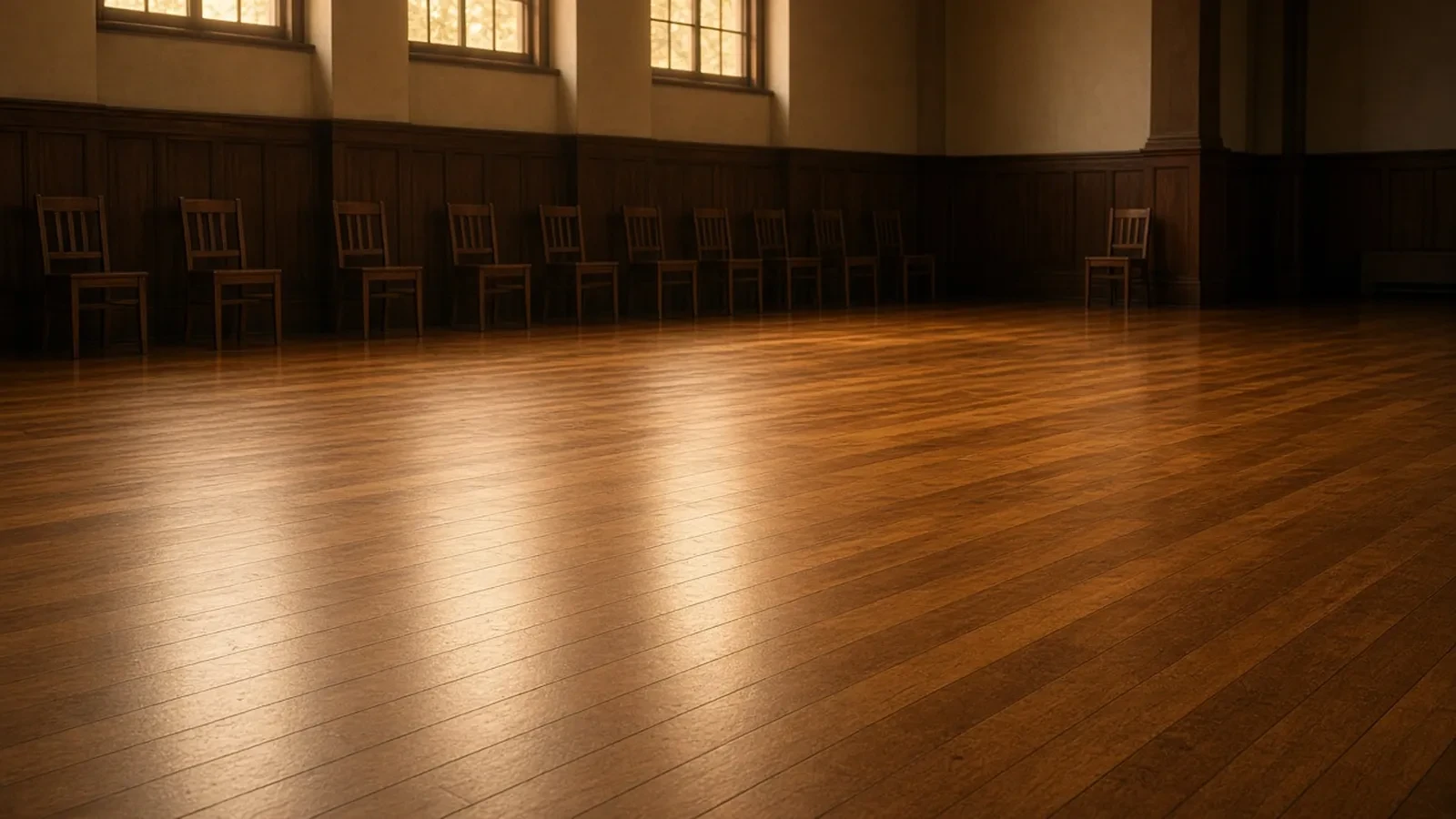
A contra dance night breaks when a hundred people arrive for a floor that safely fits seventy and the caller planned the walk-through for the names that answered yes, or when a late guest assumes a partner spot is available in a full set. Floor space, band setup, walk-through time, and the number of dancers the room can hold are set before the first tune. The host does not move a speaker into a hallway because a neighbor decided to dance after the list closed. This is a contra dance night with longways formations and a caller, not line dancing and not salsa. A maybe does not hold a place in a set.
You can create a contra dance night RSVP that counts the dancers the floor and caller can support, records arrival needs, and closes when the safe floor cap is reached.
Count dancers, sets, and floor space
Walk the hall before you send the link. Write down the usable floor after the band, sound table, chairs, and clear exits are marked, how many dancers the caller can teach in one walk-through, and whether a spare place is for a late replacement or another dancer in a set. If the floor can take fourteen four-person sets with safe spacing, that number is your cap: fifty-six dancers, not a crowd pressed against the top couple.
A contra dance spot is one named person, one safe floor place, and one arrival into the set you can accommodate. They can join the walk-through, hear the caller, take a role in a longways formation, and change partners without stepping into the band or an exit route. There is no promise that a full set can absorb three extra bodies, no expectation that spectators will stand at the edge of the floor during a turn, and no improvised overflow where dancers cross the sound cables. Ask whether a person who will only listen or watch needs a chair, and whether that person counts toward the hall's occupancy limit. Pick one rule and write it on the page. Observers stay in the places you named. They do not step onto a full floor for "just one dance."
Ask the hall and caller when the final attendance number must be fixed for staffing, sound, and the door list. If the venue needs the count by Wednesday for a Saturday dance, Wednesday is your lock. Write the finish too: the last called dance ends, the band clears its gear, and all dancers leave the floor by the room's closing time. A fifty-seventh dancer "if we squeeze the sets" is not a plan.
Set a capacity limit on dancers who will use the floor, not on everyone invited to hear the band. When the fifty-sixth dancer is confirmed, the form should say the night is full. If the set map and clear lanes are already marked, a late dancer is not an unplanned floor place.
The set line is the last called dance
Name the work you will reach and stop there. A clear line is a final called dance, a last partner change, and a stop at "the final tune ends and the floor is clear," not an open dance until the room is empty. A late-night jam is a different event, and a beginner cannot plan around a finish that moves with every encore. Line dancing uses a different formation and instruction. Salsa uses a different floor rhythm and partner pattern.
Put that set line on the form as the point you will stop, not a vague "we will dance until late." If the night ends when the named final dance is called and the band packs down, that is the line. People who want one more set will still be looking for a partner when the venue has to close. You need a yes to this floor place, this dance format, and this end time before you publish the door list.
Who needs a workable route to the floor
Dance nights go wrong when comfort and access are treated as afterthoughts. A dancer may need a chair near the edge, a clear route around the band, a quieter waiting place, or room for a mobility device. Ask whether a household is one dancer with one floor place or two people who each need a place, and do not assume a couple shares one spot in a set. A guest who cannot safely reach the floor does not get assigned a place that only looks available.
Collect accessibility needs so you know who needs a clear lane, a particular chair, a low-sensory waiting area, or extra time to enter between dances. Write what happens if someone misses the walk-through: their place goes to a named standby, or the set is reshaped by the caller without pushing someone into a full lane. A floor place is assigned to a person, not to an uncertain headcount.
The moment the dance is locked
The meeting point is the hall, door, and floor map you named, not "the community center" with no entrance or check-in point. Put the host's phone on the page. A message in the group chat is not a set assignment. You match names to arrival, floor capacity, and route needs.
Tie the deadline to the hall confirmation and caller's final plan, the day the dancer count cannot change. After that, a late yes is a call about a cancellation, not a promise of another place in a set. If you want names ready when a dancer drops, keep them as standbys and tell them they do not have a floor place until you write back. A maybe does not hold a place in a set.
Export the list the morning you lock: attending or not, arrival status, accessibility note, floor place, final set line, and phone. A contra dance night RSVP is finished when every usable floor place has a named dancer, the set line is the dance you will actually stop at, and a late guest knows whether they are dancing, watching, or waiting for a cancellation.