
Chess Night RSVP Website: Board Counts, a Seat Cap, and a Clock Line
A chess night RSVP has to lock a board and a clock before the pairings are posted, because a maybe does not hold a board.
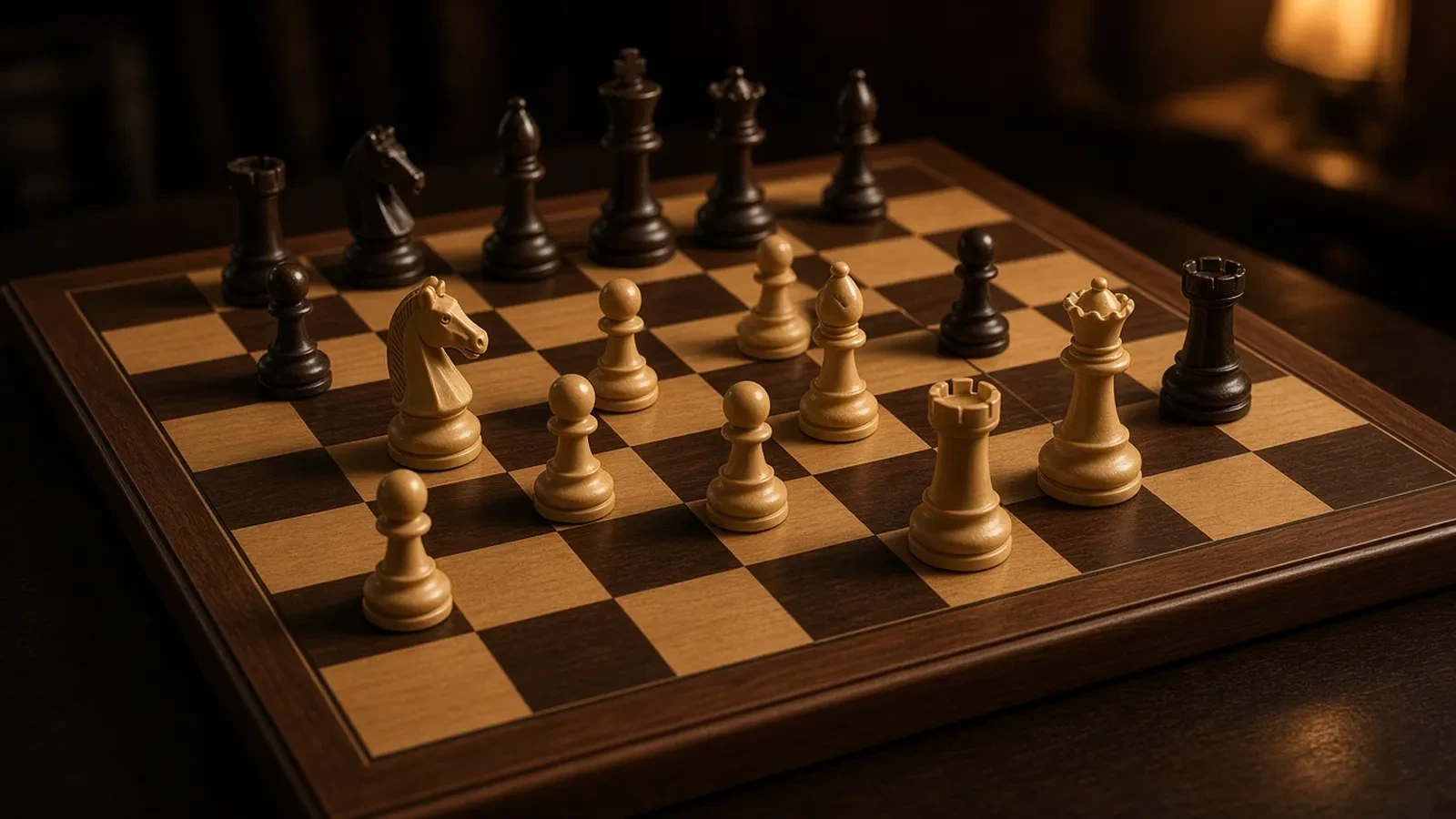
A chess night breaks when the club has twelve boards and sixteen players arrive with a clock that was never on the list, or when the pairing was built for fourteen and four of those people were still a maybe when the pairings were printed. Boards, the seat each player sits at, and the clock count you set are locked before anyone makes a move. The host does not invent a thirteenth board because a neighbor decided to play after the pairing sheet closed. A maybe does not hold a board.
You can create a chess night RSVP that fills the boards you will actually run, records who is playing and who is only watching, and stops when those boards are full.
Count the boards the room can hold
Walk the room before you send the link. Write down how many tables fit without chairs blocking the aisle, how many clocks the club owns, and whether a side table is shared with another group that night. If you can run twelve boards for three rounds, with two players per board and a short skittles table for people between games, that number is your cap.
A board is one pairing, not one person who likes chess. Ask whether a spectator who will not play can sit along the wall, and whether that person still counts toward the fire-code number the room set. Pick one rule and write it on the page. Watchers stay off the playing tables. They do not claim a second clock.
Ask the last time you can change the pairing without reprinting the sheet. If you lock pairings on Thursday for a Friday night, that Thursday is your lock. Write the finish too: three rounds at the time control you named, pieces boxed by the time on the room contract. A fourth round "if people want to stay" is not a plan.
Set a capacity limit on playing seats, not on everyone who was invited to hang out. When the last board is taken, the form should say the night is full. If the pairing is already printed, a late player is not in this room.
The clock line is a time control, not a preference
Name the format and the clocks you will host and stop there. A clear line is rated or casual as you labeled it, one time control on the clocks you own, with each player bringing a set only if you asked. Blitz on a different clock, a simultaneous exhibition that needs one board and a crowd, and a kids lesson that needs a different room are a different night with a different pairing.
Put arrival on the form as the window the room will actually be open. If doors open at 6:30 and round one starts at 7:00, that is the line. People who want to stroll in at 7:20 will force a re-pair while the first clocks are already running. You need a yes to this board, this time control, and this start window before you print the sheet.
Households, and a place to sit
Nights go wrong when one yes hides a whole family. One player who brings two relatives is one board seat and three bodies, not three boards. Ask for each player's name, their approximate rating if you use one, and how many people will be with them in the room. A sibling who is only watching does not get a clock.
Manage household RSVPs so one form can list who plays and who sits along the wall. Collect seating preferences only where you can honor them: a board nearer the door, a chair with arms, or a note that the player needs a quieter corner. Do not promise a private table you have not set. Write what happens if someone is later than round one: the board goes to a standby player who is already in the room, or it stays empty and the late arrival waits for the next round.
The moment the pairing is locked
The meeting point is the room door you named, not "the community center" with no room number. Put your phone on the page. A message in the group chat is not a board assignment. You match names to the pairing sheet.
Tie the deadline to the club, the day the board count cannot change. After that, a late yes is a call about a cancellation, not a promise of another clock. If you want names ready when a player drops, keep them as standbys and tell them they do not have a board until you write back. A maybe does not hold a board.
Export the list the morning you lock: attending or not, rating note, household size in the room, seating note, arrival window, and phone. A chess RSVP is finished when every board has a named pair, the time control matches the clocks you set, and a late arrival knows whether they are playing or turning around.