
Art Gallery Opening RSVP Website: Guests, Capacity, and Flow
Use an art gallery opening RSVP website to manage private-view capacity, collect guest names, plan drinks, and keep exhibition openings smooth.
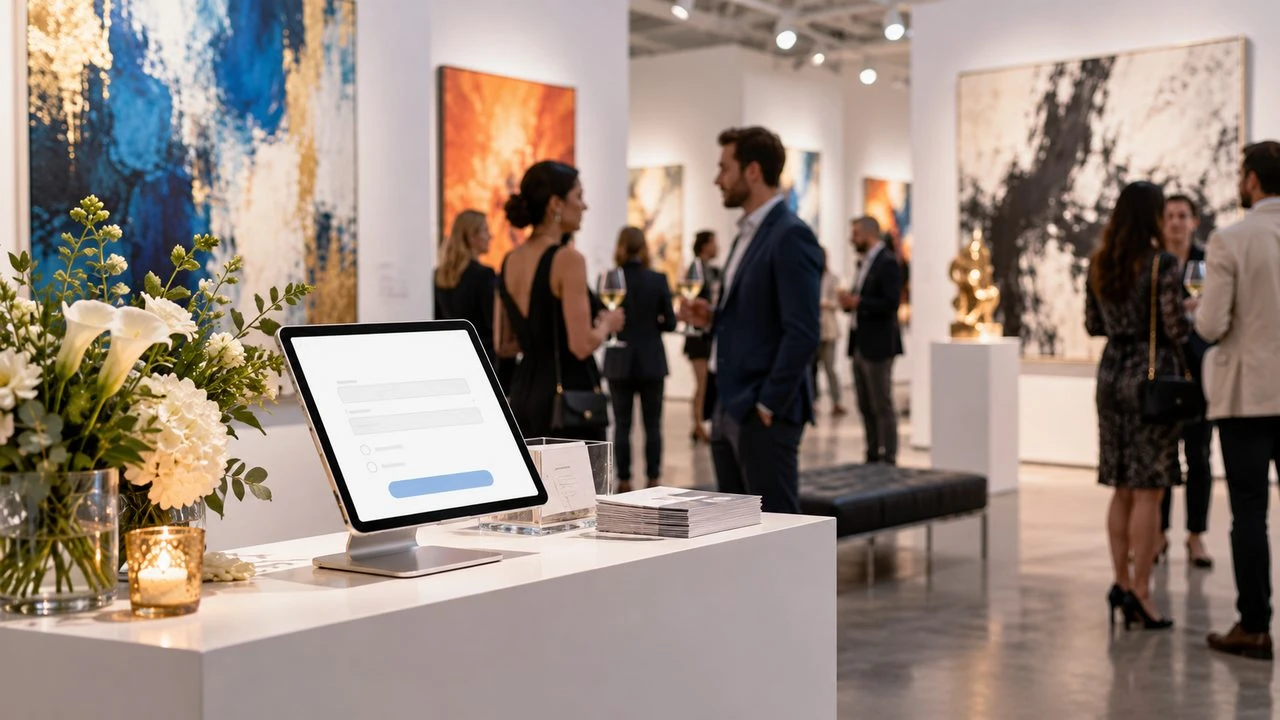
Exhibition openings look effortless when the room feels full—not overcrowded. An art gallery opening RSVP website helps you invite collectors, artists, and friends, set a capacity that protects the work, and know how many glasses to pour before doors open.
Publish a page with SnapRSVP’s create a gallery opening RSVP flow. Openings often feel like a refined cocktail party RSVP website: short visit windows, standing reception energy, and a guest list that still needs structure.
Why galleries should not rely on “just show up”
Walk-ins are wonderful for public hours. Private views and opening nights are different:
Fire-code and comfort capacity in small white-cube spaces
Security and art handling when the room is packed
Wine, soft drinks, and light bites ordered in advance
Press or collector lists that need name confirmation
Artist talks or walkthroughs with limited seating
RSVPs turn goodwill into a number you can plan against.
What to put on the opening RSVP page
Exhibition title + artist name
Opening date, time window, and whether it is invitation-only
Gallery address, entrance notes, and nearest transit
Dress code vibe (gallery casual vs black-tie benefit)
RSVP form: name, email, attendance, plus-one policy, dietary note
Add a short line about photography rules if flash or video is restricted. Guests appreciate knowing before they arrive with a camera.
Capacity without killing the buzz
Set a limit that leaves walking room around the work. When you hit it, close RSVPs or start a waitlist—see how to set RSVP capacity limits. Staggered entry windows (6:00–7:00 / 7:00–8:00) can also reduce doorway crush while keeping energy high.
Guest segments worth tracking
Artists and collaborators
Collectors and advisors
Press / media
Friends & family
General invite list
A simple dropdown (“I am attending as…”) helps the front desk prioritize greetings without a separate spreadsheet. Benefit openings that blend patronage and fundraising can borrow attendance discipline from a fundraiser RSVP to track attendance.
Sharing the invite
Personal email from the gallerist or artist
Newsletter to the gallery list with one RSVP CTA
Private Instagram broadcast or close-friends story with the link
QR code on printed invitation cards
Use one URL everywhere. Multiple forms create duplicate names and unreliable pour counts.
Night-of flow from your RSVP export
Print or tablet-load the Yes list for check-in
Highlight VIP / press names for the director
Confirm beverage quantities from the headcount
Brief staff on capacity and any accessibility notes
Capture walk-ins separately if you allow them after RSVPs close
An art gallery opening RSVP website protects the art, the guest experience, and your sanity. Keep the page elegant and short, enforce a sensible capacity, and open the doors already knowing who is coming through them.
Tone and design notes
Match the page to the show: minimal typography for contemporary work, warmer language for community exhibitions. Avoid long essays on the RSVP page—link to the exhibition text separately. Guests should confirm in under a minute, then spend their attention on the art, not the form.
After the opening, export attendance for your CRM or mailing list only with clear consent. A thank-you email with exhibition hours and a catalog link turns a single night into ongoing relationships—without surprising guests with unexpected newsletters.
Private view vs public opening
Clarify which night you are managing. A collectors’ private view may be strictly RSVP-only with a short window and quiet conversation. A public opening night may allow walk-ins after a priority check-in for RSVPs. Put that policy on the page so door staff are not negotiating exceptions in a hallway. If both exist, use two links or two clear time blocks.
For traveling artists, include a one-line bio link rather than pasting a long CV into the RSVP page. Guests who want context can click through; guests who already know the work can confirm faster.
Accessibility and comfort in gallery spaces
Older buildings and intimate rooms can be hard to navigate when crowded. Offer an optional note for accessibility needs, reserve a quieter viewing window if possible, and keep pathways clear in your capacity math—not only the theoretical maximum occupancy. Seating for a short artist talk should be counted separately from standing reception capacity.
If fragrance-heavy spaces or flash photography are issues for the work or for guests, say so up front. Clear norms reduce conflict without heavy policing.
After the opening: data you can reuse
Export attendees for thank-yous, preview invites for the next show, and optional catalog follow-ups. Tag press separately so you do not send collector pricing emails to journalists by mistake. When the exhibition includes a charity component, keep donation links out of the critical RSVP path—or make the donation truly optional—so the form still feels like an invitation, not a transaction.
A calm, capacity-aware RSVP process is part of good gallery hospitality. It protects the art and signals respect for everyone who made time to attend.