
Wedding Dress Codes Explained: What to Wear for Every Invitation
Wedding dress codes explained in plain words, from white tie and black tie to cocktail, semi-formal, casual, beach and themed, with what to wear for men and women and how to decode vague invitation wording.
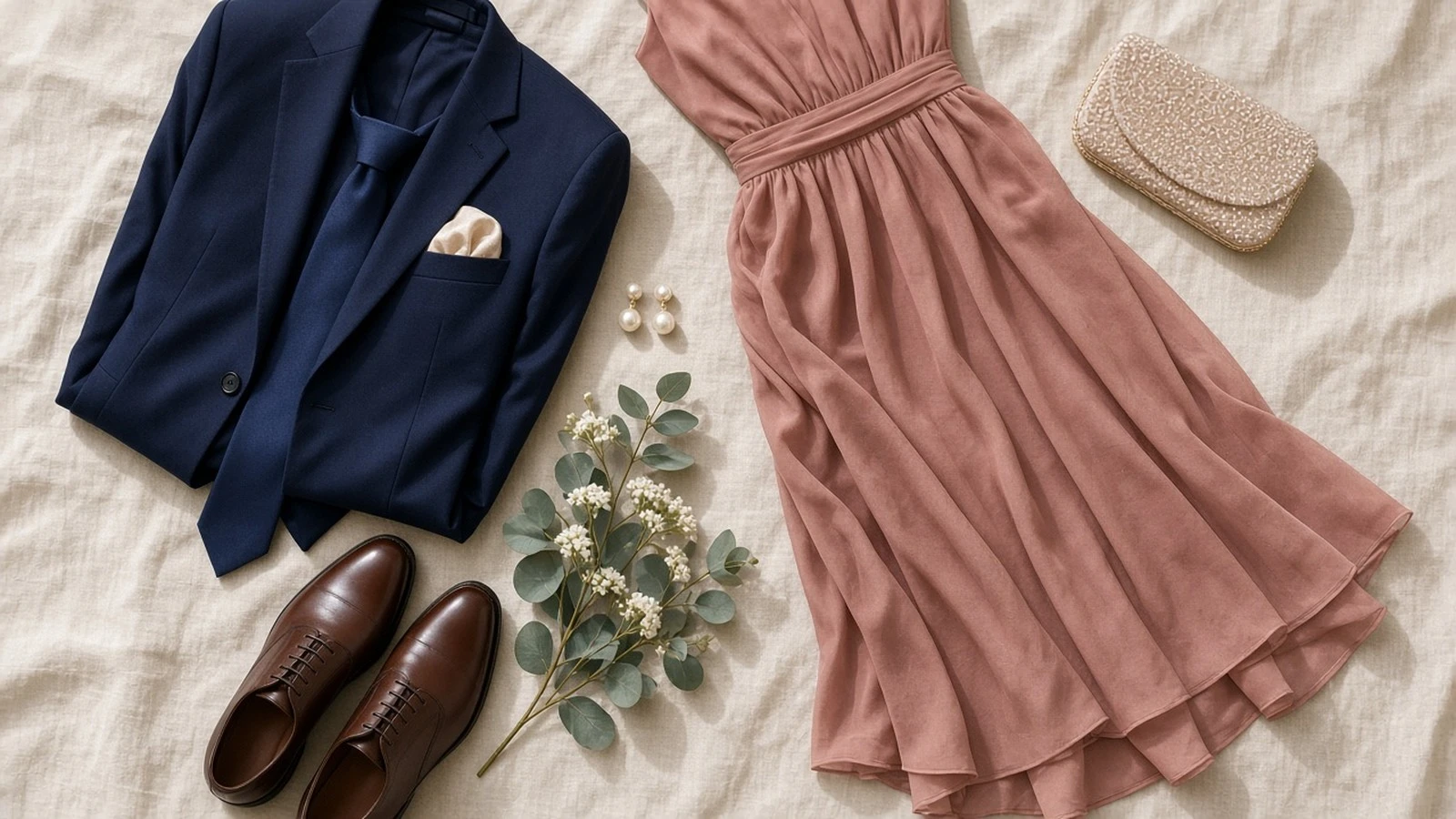
A wedding dress code tells guests how formal the event is, what style of clothing is expected, and how to feel comfortable while honoring the hosts. The standard wedding dress code types, ordered from most formal to least formal, include White Tie, Black Tie, Black Tie Optional, Formal, Cocktail, Semi-Formal or Dressy Casual, Smart Casual, Casual, and specialized codes like Beach, Garden Party, Festive, and Themed attire. You can almost always find the requested dress code printed near the bottom of the formal invitation card, listed directly on the couple's wedding website, or displayed alongside event details on the online RSVP page.
The Spectrum of Wedding Dress Codes at a Glance
When you open an invitation, seeing a dress code phrase immediately gives you a baseline for your outfit search. Here is a quick breakdown of the main options from most formal to least formal:
White Tie: The ultimate formal dress code, requiring full floor-length evening gowns and formal tailcoats with a white bow tie.
Black Tie: An elegant evening standard featuring classic tuxedos and formal floor-length or sophisticated full-length evening dresses.
Black Tie Optional: A high-end event where tuxedos and floor-length gowns are welcomed, but polished dark suits and formal midi or maxi dresses are also appropriate.
Formal (or Black Tie Preferred): Similar to black tie optional, prioritizing elegant evening suits, floor-length gowns, or formal midi dresses without strictly requiring a tuxedo.
Cocktail: A stylish balance of formal and relaxed, calling for dark tailored suits with ties, knee-length or midi dressy attire, and elevated separates.
Semi-Formal or Dressy Casual: A flexible level of dress relying on suit jacket and trouser combinations, midi dresses, dressy jumpsuits, or neat skirt ensembles.
Smart Casual: A polished look featuring tailored trousers or chinos, blazers, dress shirts, skirts, and tailored blouses.
Casual: A relaxed tone allowing clean chinos or slacks, collared polo shirts or button-downs, sundresses, and simple daytime outfits.
Beach or Destination: Weather-conscious formal or semi-formal attire made with lightweight fabrics, breathable weaves, and flat or block-heeled footwear suitable for sand or grass.
Garden Party or Outdoor: Daytime semi-formal or dressy casual wear highlighting floral prints, lighter suit colors, and sensible shoes for natural terrain.
Festive or Holiday: A fun, expressive code featuring bold colors, unique textures, jewel tones, or subtle sparkle tailored to a celebration or holiday event.
Themed or Cultural: Special guidelines outlining traditional cultural wear or creative party themes, where you follow the host's clear rules.
Wedding Dress Code Guide: From White Tie to Casual
Navigating a specific dress code is much easier when you break down exact expectations for every style preference. Here is what each option means, along with clear rules on what to wear and what to avoid.
White Tie
White tie is the absolute peak of traditional formal etiquette. It is reserved for grand galas, royal events, and ultra-luxurious evening weddings.
What it means: Guests are expected to adhere strictly to traditional royal court or state-dinner standards of formalwear.
What to wear for men:
A black formal tailcoat worn unbuttoned.
Matching black trousers with a satin or braid stripe down the outer seam.
A crisp white wing-collared piqué shirt with stiff front.
A white piqué bow tie and matching white piqué low-cut waistcoat (vest).
Black patent leather shoes with black silk socks.
What to wear for women and non-binary guests:
A full floor-length formal evening dress or ball gown.
Updo hairstyles, elegant jewelry, and formal evening accessories.
Optional white opera-length gloves (gloves should be removed while dining).
Polished evening shoes or high heels.
What to avoid:
Short dresses, high-low hems, or casual fabrics like cotton and linen.
Standard tuxedos, regular suit jackets, or black bow ties.
Everyday watches, casual shoes, or open-collared shirts.
Black Tie
Black tie is the standard for glamorous evening celebrations, usually held in the evening. It creates a sleek, unified, and timeless atmosphere.
What it means: Classic evening elegance requiring formal tuxedos and floor-length garments.
What to wear for men:
A black or midnight blue tuxedo jacket with satin or grosgrain lapels.
Trousers matching the tuxedo jacket fabric with a satin side stripe.
A white formal tuxedo shirt with a pleated or piqué bib front.
A black silk bow tie that matches the lapel material.
A black silk cummerbund or a low-cut tuxedo vest.
Black patent leather dress shoes or polished black leather oxfords.
What to wear for women and non-binary guests:
A floor-length evening gown.
A sleek formal jumpsuit made from luxurious fabrics like silk or velvet.
High-end jewelry and an evening clutch.
Elegant heels or dressy formal flats.
What to avoid:
Standard business suits, sport coats, or colored bow ties.
Cocktail-length dresses, sundresses, or casual footwear.
Wearing white or off-white garments of any kind.
Black Tie Optional
This dress code gives guests flexibility while maintaining a sophisticated atmosphere. It allows hosts to enjoy a tuxedo-filled room without placing a heavy attire burden on every attendee.
What it means: You are encouraged to wear black tie attire if you own it, but a high-end dark suit is fully acceptable.
What to wear for men:
A black, dark navy, or deep charcoal tuxedo, OR a well-tailored dark suit.
A crisp white dress shirt with a conservative necktie or bow tie.
Dark dress socks matching the trousers.
Polished black or dark brown leather dress shoes.
What to wear for women and non-binary guests:
A floor-length evening dress or maxi dress.
A dressy cocktail dress that sits below the knee.
An elegant evening suit or tailored jumpsuit.
Polished heels, dress shoes, or elevated flats.
What to avoid:
Light-colored suits, casual sport jackets, or open-collared shirts without ties.
Casual daytime dresses, denim, or casual sandals.
Exceedingly casual fabrics like jersey knit or linen.
Formal (or Black Tie Preferred)
Formal attire rests right between black tie optional and cocktail attire. It demands a high level of polish without making tuxedos mandatory.
What it means: Dress for a high-end celebration using refined evening wear and tailored garments.
What to wear for men:
A dark suit in black, navy, charcoal, or deep spruce green.
A formal dress shirt paired with a dark or patterned silk necktie.
Leather dress shoes like oxfords, derby shoes, or monk straps.
What to wear for women and non-binary guests:
A floor-length gown, dressy maxi dress, or sophisticated midi dress.
A tailored formal suit or structured evening jumpsuit.
Elegant jewelry, metallic accessories, and evening heels or dressy flats.
What to avoid:
Business-casual wear such as khakis, chinos, or unstructured blazers.
Short daytime dresses, beachwear, or casual sandals.
Loud, novelty accessories or sports watches.
Cocktail
Cocktail attire is one of the most popular wedding dress codes. It blends high fashion with party-ready comfort, allowing personality while staying elevated.
What it means: Strike a balance between formal elegance and festive celebration.
What to wear for men:
A tailored suit in navy, charcoal, grey, or rich seasonal tones like burgundy or dark green.
A crisp dress shirt paired with a neat tie or pocket square.
Leather dress shoes or clean leather loafers.
What to wear for women and non-binary guests:
A classic cocktail dress ending at the knee, tea-length, or midi height.
A chic dressy jumpsuit or an elevated skirt and blouse combination.
Statement jewelry, stylish heels, or dressy pumps.
What to avoid:
Floor-length ball gowns that feel overly dramatic for the venue.
Denim, shorts, t-shirts, or casual sneakers.
Unbuttoned shirts without a jacket or sweater.
Semi-Formal or Dressy Casual
Semi-formal attire adjusts slightly based on whether the wedding takes place during the day or at night. Nighttime events favor darker shades, while daytime weddings call for lighter tones.
What it means: Look neat, elegant, and put-together without needing full evening wear.
What to wear for men:
A suit jacket or blazer with dress trousers, slacks, or neat chinos.
A collared dress shirt or fine dress shirt with an optional tie.
Leather loafers, dress shoes, or suede oxfords.
What to wear for women and non-binary guests:
A midi dress, knee-length dress, or stylish wrap dress.
A polished jumpsuit or a tailored skirt matched with a dressy blouse.
Comfortable heels, block heels, wedge sandals, or dressy flats.
What to avoid:
Jeans, t-shirts, athletic apparel, or casual shorts.
Tuxedos or full floor-length formal gowns.
Flip-flops, athletic sneakers, or worn footwear.
Smart Casual
Smart casual is a step up from daily wear. It focuses on clean lines, crisp tailoring, and comfortable fabrics.
What it means: Dress comfortably while presenting a clean, modern, and respectful image.
What to wear for men:
Tailored trousers, dark slacks, or crisp chinos.
A collared button-down shirt, dress shirt, or structured polo shirt.
An optional unstructured blazer or sport coat.
Leather loafers, suede shoes, or clean minimal leather dress sneakers (if the venue permits).
What to wear for women and non-binary guests:
A simple sundress, casual midi dress, or skirt set.
Tailored pants paired with a stylish blouse or high-quality knit top.
Flats, dressy sandals, or low block heels.
What to avoid:
Graphic tees, athletic shorts, sweatpants, or hoodies.
Ripped denim, beachwear, or flip-flops.
Overly elaborate evening gowns or tuxedos.
Casual
A casual wedding dress code means the couple wants guests to feel completely relaxed and at ease. However, casual for a wedding still means dressing with care for an important life event.
What it means: Comfortable, practical clothing suitable for a low-key gathering.
What to wear for men:
Chinos, neat khakis, or clean dark-wash jeans (if approved by hosts).
A collared shirt, polo shirt, or short-sleeve button-down.
Casual loafers, boat shoes, or clean lifestyle sneakers.
What to wear for women and non-binary guests:
A casual sundress, cotton maxi dress, or skirt outfit.
A top paired with neat trousers, capris, or dressy dark denim.
Flats, sandals, or comfortable block heels.
What to avoid:
Beach flip-flops, pool slides, or workout attire.
Cut-off shorts, singlet tops, or stained clothing.
Anything bearing offensive logos or graphics.
Beach or Destination
Beach and destination weddings present unique challenges, including sand, heat, humidity, and coastal winds. The key is choosing breathable fabrics and footwear that handles terrain smoothly.
What it means: Light, breezy, and comfortable attire that keeps you cool while looking stylish near the ocean.
What to wear for men:
Lightweight linen or cotton trousers paired with a linen shirt or short-sleeve button-down.
A light beige, tan, or pastel sport coat (if the event is beach formal).
Boat shoes, suede loafers, or leather sandals (no socks).
What to wear for women and non-binary guests:
A flowing maxi dress, breezy high-low dress, or linen jumpsuit.
Light tropical colors, floral prints, or bright shades.
Flat sandals, woven wedges, or metallic slides that do not sink into sand.
What to avoid:
Stiff dark wool tuxedos or heavy formal suits.
Stiletto heels that sink into grass or beach sand.
Fabrics that trap heat, such as heavy velvet or synthetic polyesters.
If you are traveling to an oceanfront resort or overseas venue, read up on destination wedding invitation wording to spot helpful clues about expected resort attire.
Garden Party or Outdoor
Garden party dress codes celebrate natural surroundings. Expect lush lawns, outdoor terraces, and sunny daytime photos.
What it means: Romantic, fresh, and slightly softer formalwear inspired by floral blooms and outdoor settings.
What to wear for men:
A light-colored suit in beige, soft blue, grey, or tan.
A crisp shirt with an optional colorful or patterned tie.
Leather loafers or suede dress shoes.
What to wear for women and non-binary guests:
A floral-print midi dress, pastel dress, or garden-inspired skirt ensemble.
Wide-brim hats or fascinators if recommended by the hosts.
Block heels, wedge shoes, or flat leather sandals designed for walking on grass.
What to avoid:
Dark, heavy winter suits or severe black tuxedos.
Thin stiletto heels that poke into soft soil.
Overly glittery evening gowns built for indoor galas.
Festive or Holiday
Festive dress codes invite guests to play with fashion. They frequently appear during winter holidays, New Year's Eve weddings, or colorful destination parties.
What it means: Have fun with rich colors, textures, bold patterns, and eye-catching accessories.
What to wear for men:
A textured blazer in velvet, corduroy, or subtle jacquard prints.
A suit paired with a colorful tie, patterned pocket square, or fun socks.
Polished leather dress shoes or velvet slippers.
What to wear for women and non-binary guests:
A cocktail dress featuring sequins, metallic threads, or velvet fabric.
A jewel-toned dress, bold jumpsuit, or striking matching set.
Statement jewelry, sparkling shoes, and expressive clutches.
What to avoid:
Plain, dull office attire that ignores the celebratory prompt.
Under-dressing in casual jeans or plain polo shirts.
Wearing white or wedding-like gowns.
Themed or Cultural Attire
Some couples host weddings celebrating their heritage or incorporating a distinct creative concept. Examples include traditional South Asian weddings requiring lehengas or sherwanis, Scottish weddings featuring kilts, or vintage-themed celebrations.
What it means: Respect the couple's guidance and wear attire that aligns with their cultural traditions or specific theme.
What to wear:
Follow the exact guidelines published on the wedding website or invitation insert.
Choose traditional garments, specific color palettes, or themed pieces approved by the hosts.
What to avoid:
Wearing items that misuse cultural symbols outside the host's invitation guidance.
Ignoring the requested theme completely.
Guessing blindly without reading the couple's recommendations.
If you are ever unsure about cultural dress expectations, reach out to the couple or a member of the wedding party to ask for advice well before the day.
How to Decode Creative and Vague Invitation Wording
Couples often add creative phrases to dress code requests to reflect their venue, personality, or party vision. While well-meaning, these unique phrases can leave guests scratching their heads. Here is what common phrases usually mean in practical terms:
"Come as You Are": This generally means casual or dressy casual. Wear clean, comfortable clothes like chinos, a nice polo, a simple dress, or a neat blouse with slacks. Avoid worn-out gear or pajamas.
"Dress to Impress": Translate this to elevated cocktail or formal attire. Put on your sharpest suit, your favorite chic cocktail dress, or a sleek jumpsuit. Think high-end evening out.
"Summer Chic": Aim for elevated semi-formal attire in light, breathable fabrics like linen, silk, or high-end cotton. Pastels, bright prints, open-collar jackets, and stylish sandals are perfect.
"Jacket Required": Men should wear a tailored suit jacket or blazer with dress slacks and a tie. Women and non-binary guests should aim for semi-formal to cocktail attire.
"No Jeans": A simple request asking guests to avoid denim. Wear chinos, slacks, dresses, or skirts instead.
"Colorful Attire Encouraged": The couple wants a vibrant room. Skip monochrome black or grey suits and choose bold colors, jewel tones, or bright patterns.
"Please Wear [Specific Color]": The hosts are creating a unified visual style for photos (such as an all-black or all-white guest dress code). Follow this request closely by wearing garments dominated by that specific shade.
The same decoding works for the other events around a wedding; our guides to rehearsal dinner etiquette and engagement party etiquette cover what guests are expected to do there.
How Time, Season, and Venue Change Your Outfit
Even with a defined dress code, environmental factors play a massive role in choosing your final look. A formal indoor ballroom wedding demands different choices than an outdoor afternoon meadow wedding.
Time of Day
Daytime Weddings (Before 4:00 PM): Favor lighter fabrics, soft pastel shades, floral patterns, and matte finishes. Suits in light grey, tan, or blue work beautifully.
Evening Weddings: Lean toward darker shades, richer fabrics (like satin, velvet, or deep wool), jewel tones, and evening glamor.
Season
Spring: Pastel colors, light layers, floral prints, and water-resistant shoe options for outdoor grass.
Summer: Breathable weaves (linen, cotton, silk), sleeveless or short-sleeve designs, sunglasses, and light suit colors.
Autumn: Warm earth tones (rust, emerald, navy, burgundy), heavier fabrics, long sleeves, and light wraps or trench coats.
Winter: Dark rich colors, velvet, wool coats, formal wraps, and closed-toe shoes suitable for cold weather.
Venue and Location
Ballrooms and Historic Mansions: Lean toward the top end of the dress code with sharp tailoring, formal floor lengths, and sleek footwear.
Barns, Farms, and Wineries: Choose sturdy footwear like block heels, wedges, or dress boots. Bring a light jacket or wrap for outdoor breezes.
Religious Houses of Worship: Check if shoulders or knees need to be covered during the ceremony. Bring a pashmina, shawl, or blazer to stay respectful during religious rites.
Essential General Guest Rules to Always Follow
No matter which dress code appears on the card, a few universal golden rules keep every guest on the right track:
Never Wear White: Do not wear white, off-white, ivory, cream, champagne, or extremely pale pastel shades that could wash out to white in photos. Only wear white if the couple explicitly requests an all-white dress code.
Respect Religious Settings: If the ceremony takes place in a traditional church, temple, mosque, or synagogue, bring a shawl or wear garments that cover shoulders and knees during the service.
Check the Terrain: Always consider where you will stand. Soft lawn, beach sand, and historic cobblestones quickly ruin slim stiletto heels.
Check the Weather Forecast: Plan outerwear early so a heavy casual coat does not ruin your carefully curated formal ensemble.
When in Doubt, Dress Slightly Up: It is always better to be slightly more polished than the rest of the room than to show up under-dressed.
Following these core rules makes you a thoughtful guest, whether you are the invited guest or someone's plus-one (our guide to plus-one wedding RSVP etiquette covers the rest).
Dress Code Tips for Kids at Weddings
If children are invited to the celebration, their outfits should reflect the adult dress code while prioritizing comfort and freedom of movement.
Match the Formal Level: For black tie or formal weddings, dress boys in dark trousers with a button-down shirt and tie (or a miniature tuxedo), and girls in neat party dresses. For casual or outdoor events, simple cotton dresses or khakis with polo shirts work great.
Focus on Comfort: Kids get fussy in scratchy materials or stiff collars. Choose soft linings, elastic waistbands, and breathable fabrics.
Choose Sensible Footwear: Skip brand-new, stiff dress shoes that cause blisters. Pick comfortable leather shoes, clean flats, or neat dark sneakers that let them play safely.
Bring a Backup Outfit: For toddlers and younger children, pack a clean spare outfit in case of food spills or grass stains before formal photos finish.
What to Do If No Dress Code Is Listed
Occasionally, an invitation arrives without any mention of attire. Do not panic; you can figure out what to wear with a little quick research.
Check the Wedding Website or Online RSVP Page: Couples often publish extra details, venue maps, and attire guidance on their digital site even if it was omitted from the paper card.
Evaluate the Venue and Time: A wedding at a luxury hotel in the evening implies formal or cocktail attire. An afternoon event at a public park suggests dressy casual or smart casual.
Ask the Couple or a Wedding Party Member: If you are still stumped, reach out politely well before the wedding week.
Here is a short, polite text or email sample you can send:
"Hi [Name]! We are so excited to celebrate with you both! Quick question as we plan our trip: do you have a preferred dress code for the wedding day? Want to make sure we fit right in with your vision. Thanks so much!"
When you RSVP to a wedding as a guest, that is a good moment to check these details early.
For Couples: How to Word Your Dress Code Clearly
If you are planning your own event, setting clear dress guidelines saves your guests hours of stress and ensures your wedding photos look cohesive.
Tips for Clear Wording
Keep It Simple: Use established terms (like "Cocktail Attire" or "Black Tie Optional") before adding fun notes.
Add Context: Mention ground conditions or weather (e.g., "Outdoor lawn ceremony, block heels recommended").
Publish in Multiple Places: Print the dress code line near the bottom of your invitation enclosure, and place detailed outfit notes right on your wedding website or RSVP page.
One-Line Wording Examples
"Dress Code: Black Tie. We ask that men wear tuxedos and women wear floor-length gowns."
"Attire: Cocktail. Suits, ties, and midi or cocktail dresses are welcome."
"Beach Formal: Linen trousers, light suits, and maxi dresses. Shoes suitable for sand recommended."
"Semi-Formal: Suit trousers with blazers, dressy jumpsuits, or midi dresses."
It also helps to keep all of this on one page guests can check anytime. Couples can put the dress code and outfit notes on a SnapRSVP wedding RSVP website alongside the date and venue, share it by link and QR code, collect replies from unlimited guests with custom RSVP questions (for example meal preferences or dietary needs), and track who is coming in a guest list dashboard with PDF and CSV export. The pricing is a one-time payment per RSVP website with no subscription: $19.99 for a website with a banner or portrait image at the top, $29.99 for a video website with a looping video at the top. For more inspiration on framing your wording, see our guide on how to word a dress code on invitations.
Frequently Asked Questions
What are the different wedding dress codes?
The main wedding dress codes, from most formal to least formal, are White Tie, Black Tie, Black Tie Optional, Formal, Cocktail, Semi-Formal (or Dressy Casual), Smart Casual, and Casual. There are also specific themed or venue-based codes such as Beach, Garden Party, Festive, and Cultural attire.
What is the difference between black tie and black tie optional?
Black tie requires formal evening wear, meaning men must wear a tuxedo with a black bow tie and women wear floor-length evening gowns. Black tie optional means tuxedos and floor-length gowns are encouraged, but men can wear a sharp dark suit with a tie, and women can wear formal midi or cocktail dresses.
What does cocktail attire mean for a wedding?
Cocktail attire balances formal sophistication with celebratory style. Men typically wear a dark tailored suit, dress shirt, and tie, while women and non-binary guests wear knee-length, tea-length, or midi dresses, dressy jumpsuits, or elegant separates.
What should a man wear to a semi-formal wedding?
For a semi-formal wedding, a man should wear a suit jacket or blazer paired with dress slacks or neat trousers, a collared dress shirt, and leather dress shoes or loafers. A necktie is optional, especially for daytime celebrations.
Can you wear black to a wedding?
Yes, wearing black to a wedding is widely accepted and considered very stylish, especially for evening, cocktail, formal, and black tie events. Just ensure the outfit feels celebratory rather than somber, and avoid wearing solid white, ivory, or off-white garments.
What should I wear if the invitation has no dress code?
If no dress code is specified, check the wedding website, review the venue type, and consider the time of day. An evening venue usually calls for cocktail attire, while a daytime outdoor venue suggests dressy casual. When completely unsure, polite communication with the hosts or wedding party clears up any doubts.
Before You Get Dressed Checklist
Read the invitation card, wedding website, or RSVP page one last time for specific notes.
Double-check that your outfit contains no white, ivory, cream, or off-white shades.
Confirm your clothing fits comfortably when sitting, walking, and dancing.
Check the weather forecast for rain, wind, or drop in evening temperature.
Inspect your shoes to ensure they match the terrain (grass, sand, or ballroom flooring).
Pack small touch-up items, such as safety pins, lint rollers, or blister cushions.
Double-check that your card is signed, following quick tips on what to write in a wedding card.
Putting extra thought into your outfit shows love and respect for the couple on their special day. Now put on your favorite look and go celebrate!