
Tortilla Making Workshop RSVP Website: Masa Counts, a Press Cap, and a Grill Line
A tortilla making workshop RSVP has to lock a masa ball and a press place before the comal is hot, because a maybe does not hold a counted dough or a turn on the grill.
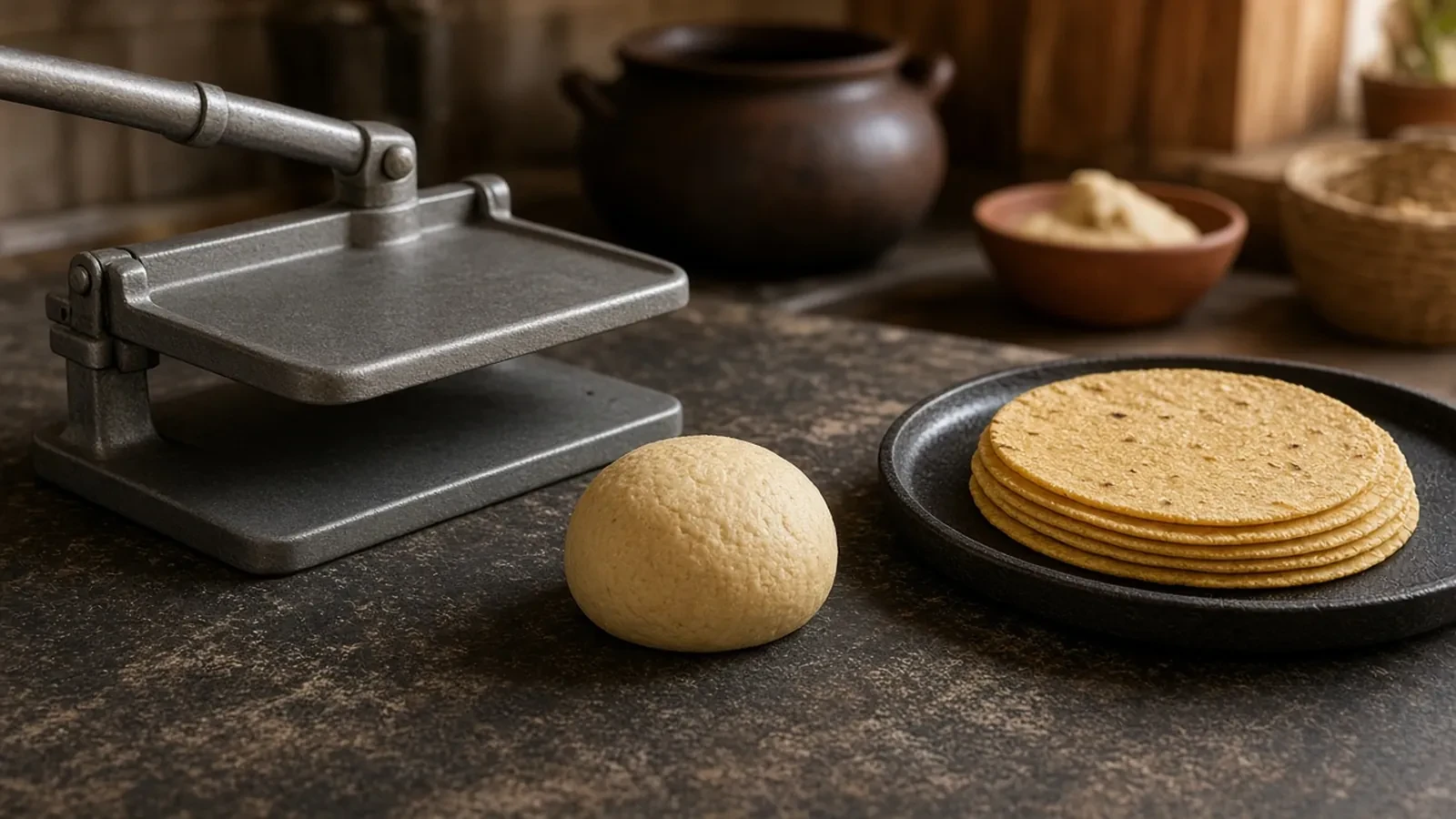
A tortilla making workshop breaks when the host mixed masa for twelve balls, set four presses, and twenty people answer yes after the comal is already hot. Balls of dough, a press with clean liners, and a turn on the hot surface are decided before the first tortilla hits the heat. The host does not start a second batch of masa or promise a stack that has no press time left because a friend decided to come after the list closed. This is pressing and cooking tortillas, not a tamale wrap, not a taco bar, not naan, and not an empanada crimp. A maybe does not hold a ball of masa.
You can create a tortilla making workshop RSVP that counts masa, records dietary needs, and closes when the press cap is reached.
Count masa, presses, and comal time
Count the masa before you send the invitation. A tortilla starts as a weighed ball, not as a bag of masa harina sitting on the counter. If one person presses and cooks eight tortillas, and each ball is portioned for that stack, twelve labeled portions is the material count. Water, salt, and fat are already worked in. A late guest does not get “whatever is left in the bowl,†because the bowl was mixed for named hands and the dough dries out while people wait. Fresh masa and reconstituted masa harina both have a clock. A dough that was rested for the people on the list is not a spare seat.
Count the tools that touch the dough. Tortilla presses, plastic or parchment liners, a comal or griddle with a known number of tortillas at once, spatulas, and a towel-lined basket for the stack are the limit. Two presses do not create ten stations. People can share a press only on a turn you already scheduled. Each maker still needs a named portion that is not scooped out of the next person’s bowl. A guest with dough and no hot space stands there while the tortilla they meant to cook never happens.
Masa portions by ball count, and whether the dough is already mixed
Presses and liners that are clean and the right size for the tortilla you are teaching
Comal or griddle space, and how many tortillas can cook without crowding
Fat, salt, and water already in the dough, plus a small backup only if you named it
Counter room so one press does not bump the next person’s liner
A tortilla making place is one named maker with a portion, a press turn, and heat. A guest who wants to watch the first press is not a student. Someone who expects to leave with a stack needs a place at the press. Ask who is pressing, who is only eating, and whether a household is sharing one portion or each adult is making their own. Makers stay inside the dough you can mix, rest, and cook. They do not pull another ball because the bag of masa harina is still in the cupboard.
The press cap and the grill line
Four presses and twelve portions is a cap only if the comal, the session length, and the elbow room agree. If the griddle cooks six tortillas at a time and each person needs a real turn to press, cook, and stack, the cap is the number of makers who can finish before the dough stiffens, not the number of chairs in the kitchen. The smallest real constraint wins. Set a capacity limit for makers, not for every person who might stand near the counter and eat. When the last portion is claimed, the form should say the tortilla making workshop is full. If the masa is already balled and the comal is heating, a late guest is not an unplanned maker.
The grill line is the end of the workshop. Name it: the last tortilla is off the heat, the press is wiped, the liners are discarded, the leftover masa is covered or thrown out, and the comal is cooling. A clear grill line stops the class from becoming another hour of hot metal and a bowl that has already dried at the edges. A smear of dough left in the bowl is not a promise to a guest who arrives during cleanup. It is still a hot surface, and it is not a new seat.
Diet and households change the dough
Corn masa, wheat flour dough, lard, oil, and butter are different workshops even when the press looks the same. A guest who cannot eat gluten, pork fat, or dairy needs that written down before you mix, not whispered over a hot comal. Collect dietary restrictions with severity on the RSVP so you know whether a note is a preference or a reason to keep a separate bowl, board, and press. If you can run one wheat-free station with its own liners, say how many portions that station holds. If every tortilla will be wheat flour with lard, say that in the invitation so someone can decline instead of discovering the fat after the dough is balled. Do not assign a portion that looks open on paper if that dough is unsafe for the person holding it.
Use household RSVPs when one kitchen visit is really two or three makers from the same home. A household yes is not one pair of hands. Count each person who will press. A partner who only wants to eat the stack does not take a press turn, and a teenager who wants their own eight tortillas does. Ask for the names, not a headcount that you have to decode at the door. If two people share one portion and one press turn, write that down so you do not ball dough for both of them and then run out of comal time.
The moment the masa list is locked
Tie the deadline to the mix. If the masa has to rest overnight for a Saturday workshop, Friday evening is your lock. After that, a late yes is a call about a cancellation, not a promise of a press. Standbys can wait, and you tell them they do not have a ball of dough until you write back. A maybe does not hold a rested portion.
The meeting point is the kitchen door, the check-in time, and the press you named, not “come by anytime and we will be cooking.†You match names to makers, corn or flour, fat, household, the press cap, the grill line, and a phone. Export the list the morning you lock: attending or not, portion, press, dietary note, household, and phone.
A tortilla making workshop RSVP is finished when every ball of masa has a named press, the grill line is the last tortilla off the comal rather than an open bag of flour, and a late guest knows whether they are pressing, eating from a finished stack, or waiting for a cancellation.