
Sushi-Making Class RSVP Website: Station Seats, Raw Fish, and Rice Counts
A sushi-making class RSVP has to lock a station seat and a raw-fish answer before the rice is cooked, because a maybe does not hold a rolling mat.
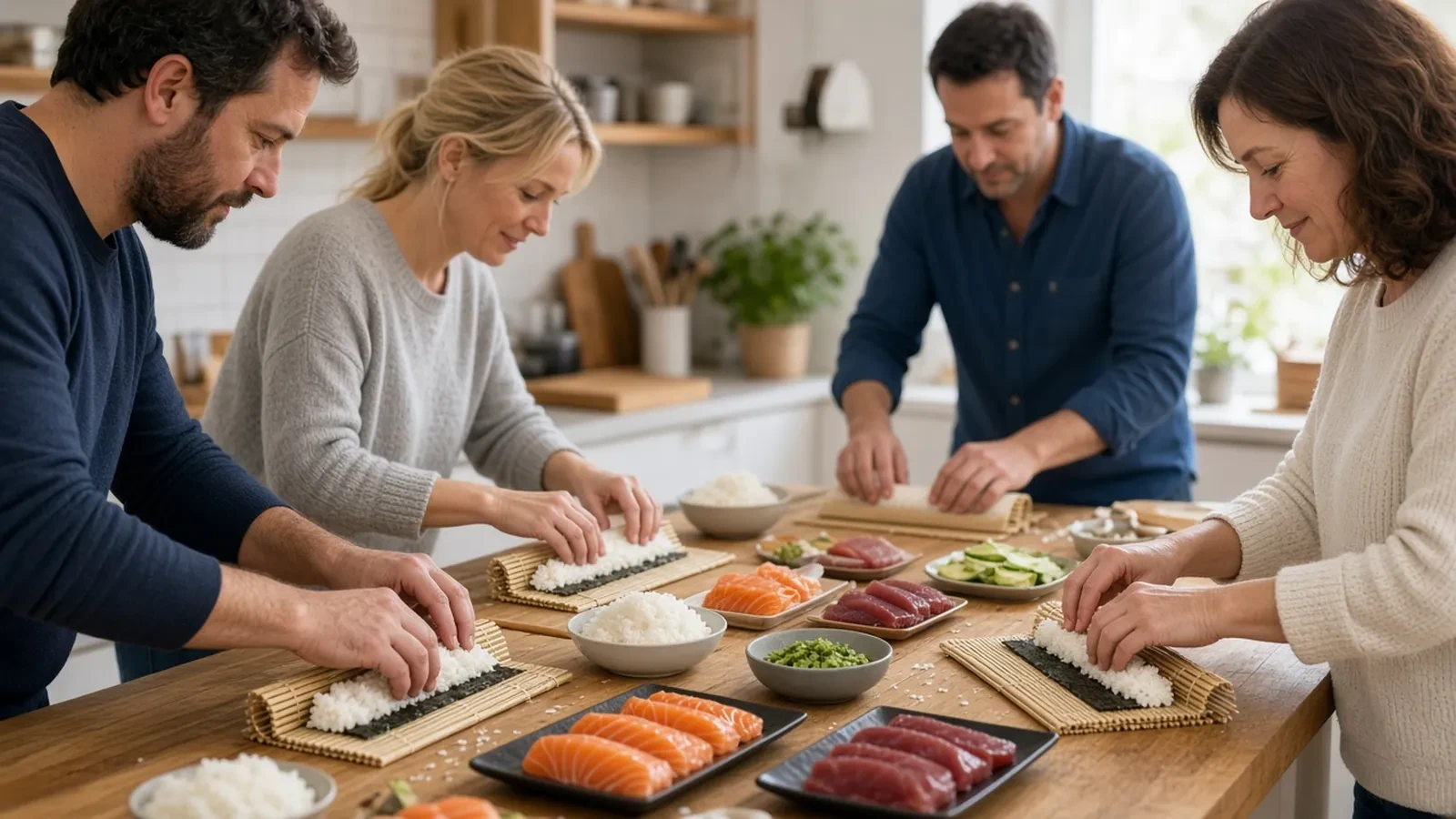
A sushi-making class breaks when the instructor has cooked rice for twelve and nine people walk in, or when someone who does not eat raw fish is handed a tuna station with no cooked option. Rice is cooked before the class starts. Fish is ordered by the piece, not by a group text. A maybe does not hold a rolling mat.
You can create a sushi-making class RSVP that fills station seats, splits raw fish from cooked fillings, and stops when the class is full.
Ask the instructor what this class holds
Call before you send the link. Write down how many stations the kitchen can run, whether each person gets their own mat or two people share a board, how long the class runs, and what time you must be in the room before the rice is portioned. Those answers are your cap. Do not guess from a photo of a chef's counter.
Ask whether the price is per person and what is included: rice, nori, fillings, tea, and whether people take rolls home. Ask the last time you can change the headcount without paying for empty mats. If the studio charges for a no-show after that time, print that rule on the page.
Set a capacity limit on people who will roll, not on everyone who was invited. When the last station is taken, the form should say the class is full. A partner who "might come" still needs a mat, a knife, and a portion of rice. If there is no mat, they are not in the class.
Raw fish, cooked fillings, and a real dietary line
Sushi is not one menu. A class can be all raw fish, a mix, or fully cooked and vegetarian. Ask the instructor which menu this booking uses, and whether they can plate a cooked station for part of the group without remaking the whole class. Write that limit on the page so people do not assume a custom menu.
Ask each person to pick what they will eat:
Raw fish is fine means they can take the standard station
Cooked or vegetarian only means the instructor must set a station without raw fish, and only if they agreed to that split
Not attending is a no, not a maybe that holds rice until the pot is already on
Then collect a dietary line with severity, not a single checkbox that says "allergy." Shellfish, sesame, gluten in soy sauce, and egg in tamago are different problems. Ask whether a shared soy dish is enough to make the station unsafe, or whether a labeled bottle at that seat solves it. If the instructor cannot separate a severe allergy from the rest of the counter, say that before someone books a seat they cannot use.
Knives, hands, and what people take home
Ask whether the studio provides knives and whether anyone is left-handed if the instructor only has one setup. Ask who has rolled sushi before and who has not, so the instructor knows where to stand. If people take a box home, ask whether they need a ride that can carry it, and say if the box needs a fridge within a stated number of hours. Do not promise a photo or a certificate the studio did not include.
Ask about standing. Some counters have no chairs. If someone cannot stand for the length of the class, ask the studio whether a stool fits the station before you confirm them. Put the answer on the page.
Arrival and the moment the rice is cooked
The meeting point is the studio door, with the suite number and whether you enter through a restaurant. Put the instructor's check-in time on the page. Late students do not get a second pot of rice.
If several people are coming from one household, ask them to answer for each person who needs a station, not one yes for the whole car. One form that hides two extra mats will blow the rice count. Say that on the page.
Tie your RSVP deadline to the instructor's food order. After that, a late yes is a call about a cancellation, not a promise. If you want names ready when someone drops, keep them as standbys and tell them they do not have a mat until you write back. A maybe does not hold a rolling mat.
Export the list the day you lock: attending or not, raw fish or cooked only, each dietary line and how severe it is, phone, and any station limit the instructor agreed to. A sushi-making class RSVP is finished when every mat has a person, the fish order matches what those people will eat, and the instructor can portion rice without rebuilding your list at the counter.