
Stargazing Night RSVP Website: Site Seats, Arrival Windows, and a Weather Hold
A stargazing night RSVP has to lock a field spot and a car space before the gate closes, because a maybe does not hold a spot on the field.
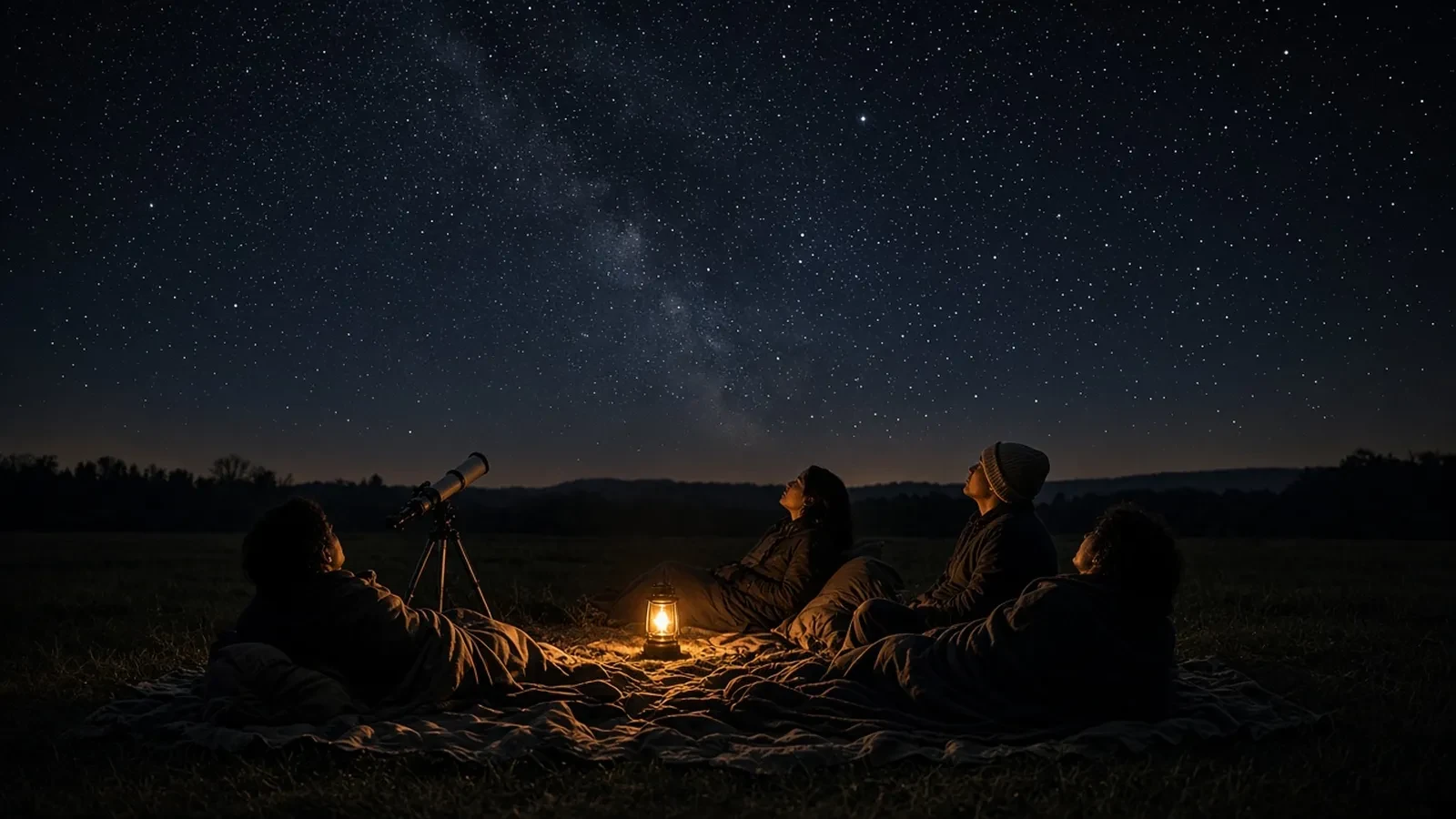
A stargazing night breaks when the gate locks at a stated time and cars are still on the road, or when the field holds twenty blankets and thirty people unpack in the dark. Dark-sky sites do not add parking because the sky is clear. A late arrival with headlights on ruins the hour everyone else drove out for. A maybe does not hold a spot on the field.
You can create a stargazing night RSVP that fills the site's people and car limits, collects an arrival window before the gate closes, and names what happens if the sky is clouded over.
Ask the site what the dark hour holds
Call the park, the observatory, or the landowner before you send the link. Write down how many people and how many cars the site allows after dark, whether a permit or a fee is required, what time the gate locks, and whether a host must meet you. Those numbers are your cap. Do not guess from a daytime photo of an empty pullout.
Ask about light rules in their words: no white flashlights, no headlights after a stated time, red lights only, and whether a campfire or a lantern is banned. Ask where people may set up chairs or blankets, and whether telescopes from outside the group are allowed. Put those rules on the page. A guest who did not read them will open a trunk light at the wrong moment.
Set a capacity limit on people who will be on the field, not on everyone who was invited. When the last spot is taken, the form should say the night is full. A partner who might drive out still needs a place to stand and, usually, a seat in a car. If the site is full, they are not in this group.
Arrival windows, not a loose evening
The useful part of the night is short. Ask people for an arrival window that ends before the gate locks, and say what happens if they miss it: they do not come, or they park where you name and walk in without headlights if the site allows that. Do not leave this as "sometime after dinner."
Collect parking plans so you know how many cars are coming and who is riding with whom. A site that allows eight cars cannot take twelve polite guests who each drove alone. Put the lot name, the last turn the map usually gets wrong, and whether the road is gravel or washboard. Say if phones will lose signal before the gate, and name a meetup point that still has service.
If several people share a household, ask them to list each person and the car they are in. One yes for a household that hides three extra people will blow both the field cap and the car cap. Say that on the page.
Ground, cold, and who can actually get there
Fields are uneven, and the walk from the lot may be unlit. Ask about access needs before you confirm someone: a chair instead of a blanket on the ground, a shorter walk, or a stop that is not down a slope. If the site cannot offer that, say so. Do not promise a viewing pad the landowner did not describe.
Say what to bring in plain terms: a blanket or a low chair, layers, and a red light if you told people to bring one. Say what not to bring if the site bans alcohol, drones, or pets. If you are sharing a telescope, say whether guests may look or whether it is one person's setup they should not touch. Do not promise a meteor shower or a planet the sky may not show.
Clouds, smoke, and a hold you can explain
Cloud cover, wildfire smoke, and a bright moon can make the night pointless even when the calendar looks perfect. Ask who decides, by what time, and with what source: a local forecast, the site host, or you standing outside. Add a weather hold: a later start the same night, a backup date, or a cancel. Name who sends the message. People may already be on a dark road with no signal, so the message has to go out before they leave home.
If the site has a refund or a permit you cannot move, print that rule. A clear sky next weekend is not the same reservation.
Tie your RSVP deadline to the site's change deadline and to the moment you need a final car count. After that, a late yes is a call about a cancellation, not a promise of another blanket space. If you want names ready when someone drops, keep them as standbys and tell them they do not have a spot until you write back. A maybe does not hold a spot on the field.
Export the list the day you lock: each person, arrival window, car or passenger, access note, phone, and whether they need a chair. A stargazing night RSVP is finished when the field count and the car count both fit the site, everyone knows the gate time, and the cloud call has a person and a clock before anyone drives into the dark.