
Scavenger Hunt RSVP Website: Teams, Start Waves, and Clue Packets
A scavenger hunt RSVP has to lock team size and start waves before you print packets, because a maybe does not get a clipboard.
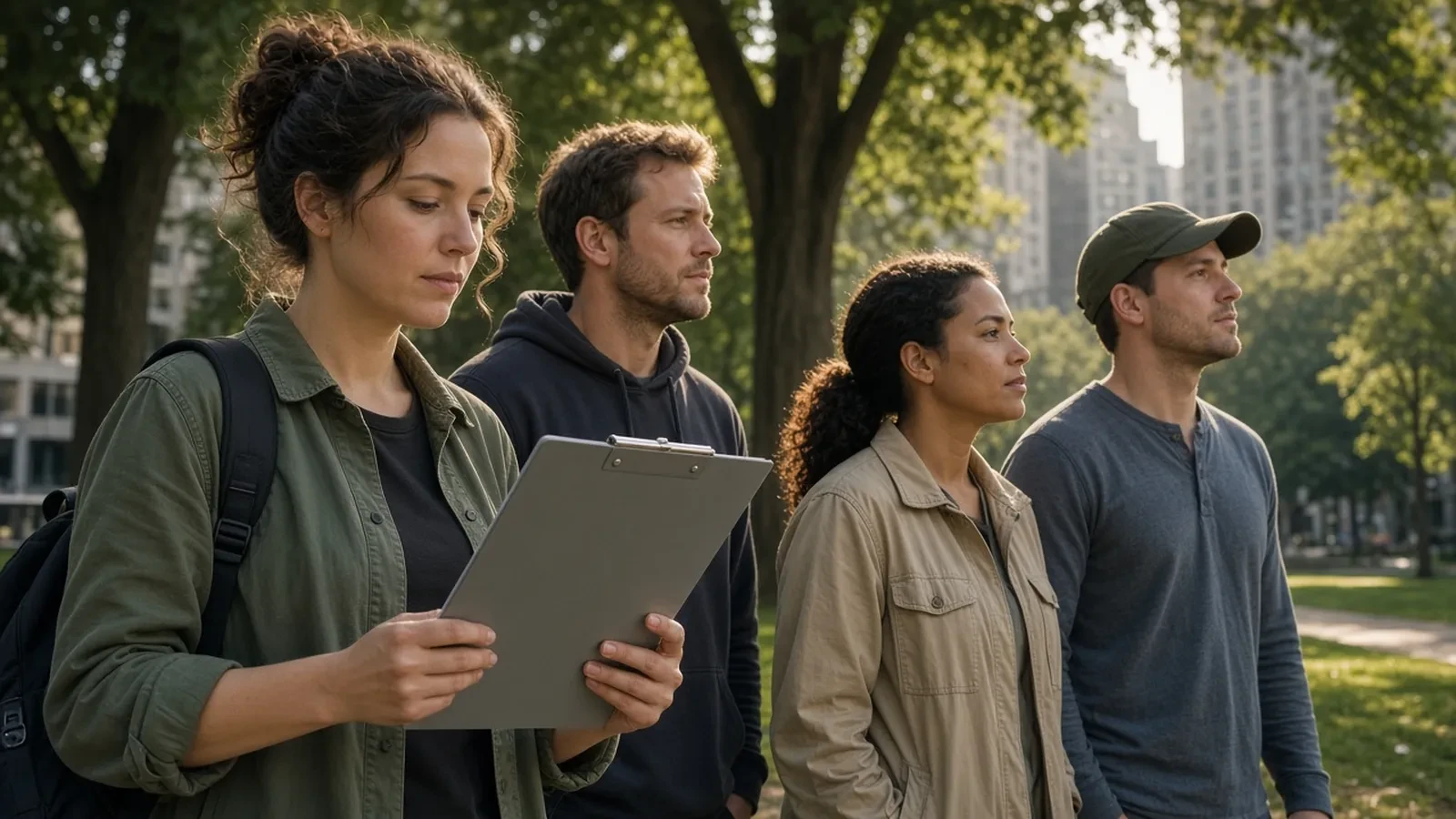
A scavenger hunt breaks when teams show up in sizes your clues do not fit, when two teams start at the same clue at the same minute, or when you printed packets for maybes who never came. The limit is teams, start times, and the number of packets you can actually hand out. A maybe does not get a clipboard.
You can create a scavenger hunt RSVP that builds teams, assigns a start wave, and stops when the last team slot is taken.
Decide the team before you count heads
Before you send the link, write down the team size the hunt is built for. A photo hunt that needs four people to reach a high clue is not the same as a neighborhood list one person can walk. Write the minimum and the maximum. A team of one and a team of nine will not finish on the same clock, and they will crowd the same stop if you start them together.
Set a capacity limit on teams, or on players if you are assigning teams yourself. Say which one on the page. If guests form their own team, ask for the team name and the name of each person on it, and reject a roster that is over the maximum instead of hoping they will split at the start line. If you assign teams, a yes is a player, not a team, and you need enough yeses to fill the teams you promised. Do not start with a team of two because three maybes never answered.
Ask who is the captain. The captain gets the packet, the start time, and the message if you move a stop. Other players still count against the cap. A friend added the morning of the hunt is a new head, not a detail. If your scorecard has a line per player, a missing name is a missing line you cannot invent at the start.
Start waves, transport, and the area you are actually using
Stagger starts if two teams at one clue will give the answer away. Ask for an arrival window that matches the wave you can run: a first start and a later start are different packets, not the same clipboard handed out late. Print where to meet in a way a person can find without your phone, and say how long the hunt runs so a team knows when you stop scoring. A team that finishes after you have left the meeting point does not get a late score unless you said they do.
Say whether the hunt is on foot, and how far. If a stop is only reachable by car, ask who has a car and how many seats they can offer. A team that marked walking and a clue that sits across a highway is a design error you fix before you print, not a surprise at the first stop. If the whole hunt is in one park, say that cars stay in the lot you named. Do not send teams onto a road with no shoulder because the clue was easier to hide there.
Put the boundary on the page. A hunt that stays on public sidewalks is not permission to enter yards, stores that did not agree, or a school ground. If a stop is indoors, name the rule that place gave you, including whether a purchase is required. Teams that cut through somewhere you did not list can be taken out of the scoring. Say that before they leave the start.
Packets, kids, and when the list locks
Print one packet per team after the roster is locked, not one per maybe. Write the captain's name on it. If you are keeping score with photos, say whether faces need to be in the shot and what you will do with the pictures afterward. If you did not plan to post them, say they stay with the captain. A clue that requires a purchase, a ticket, or a code from a person who is not on your team needs to be written that way so a team does not skip it and argue later.
If children are on a team, the roster should name an adult on that same team. A team of children without that adult is not a team you start. Ask about a pace that includes a stroller or a wheelchair if the route you drew cannot take one, and change the route or the team before the start, not at a curb. Count hills, gates, and gravel in that check. A map that looks flat on a phone is not the route their wheels will take.
Tie your RSVP deadline to the moment you number the packets and the waves. After that, a late yes is a call about a team that dropped, not a promise. Keep subs off the packet until you write back. Export the list the day you lock: team name, captain, every player, wave, car or on foot, phone. A scavenger hunt RSVP is finished when every team fits the size you wrote, every wave has a start, and you are not handwriting rosters at the meeting point.