
Salsa Night RSVP Website: Lesson Spots, a Lead or Follow Role, and a Floor Cap
A salsa night RSVP has to lock a lesson spot and a lead or follow role before the count-in, because a maybe does not hold a spot in the lesson.
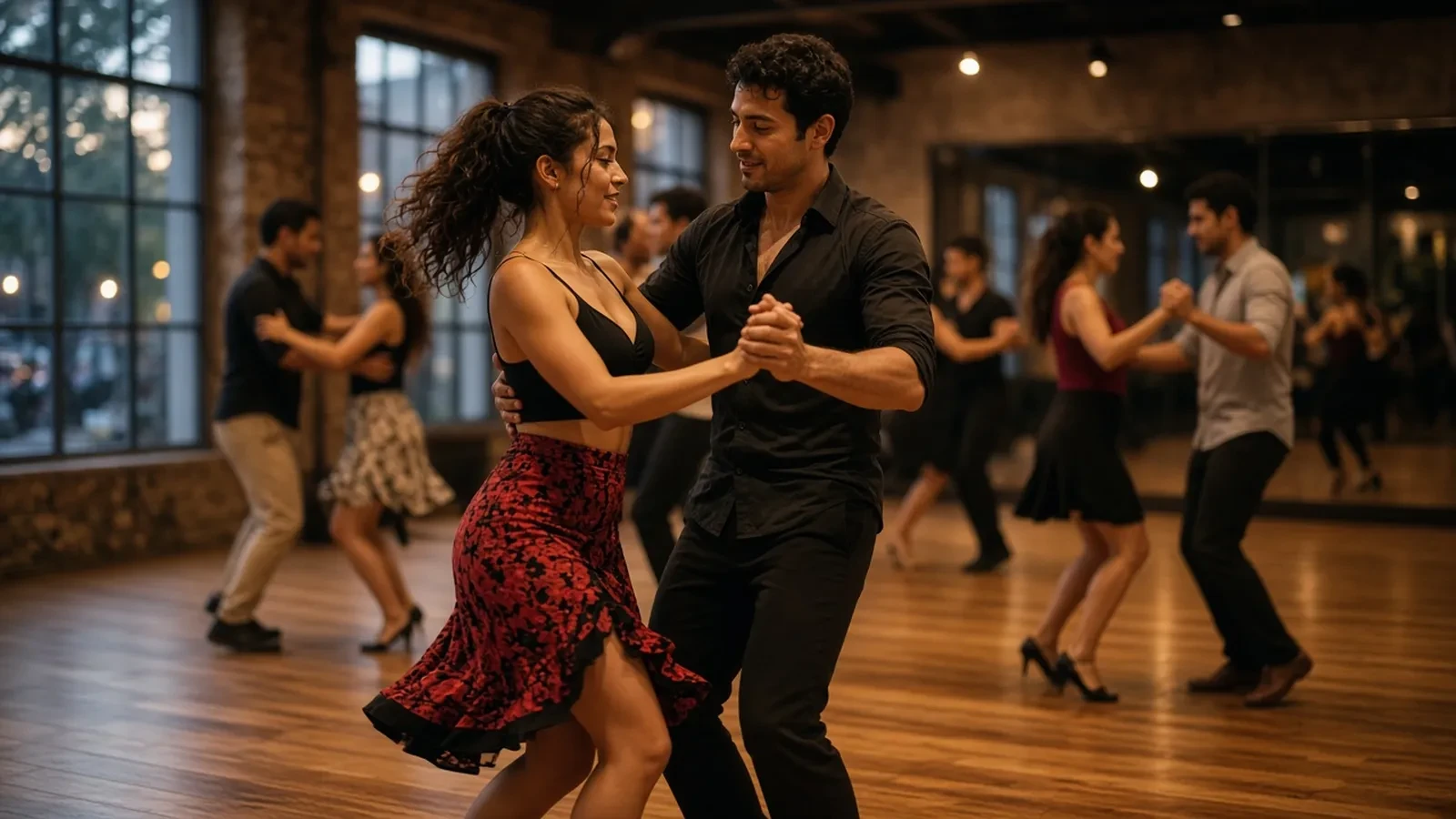
A salsa night breaks when the lesson holds twenty dancers and twenty-eight people walk onto the floor, or when fourteen people marked lead and six marked follow and the rotation never starts. Spots, roles, and the teacher's count are set before the music starts. The room does not add a second floor because a couple decided to come after the warm-up. A maybe does not hold a spot in the lesson.
You can create a salsa night RSVP that fills the spots the floor can hold, balances lead and follow, and stops when that lesson is full.
Ask what this floor can hold
Call the studio, the bar, or the teacher before you send the link. Write down how many dancers fit in the lesson, how long the lesson runs, what time social dancing starts, and whether social dancing is included or a separate door fee. Those numbers are your cap. Do not guess from a photo of an empty floor.
A lesson spot is one dancer for the taught class. A person who arrives only for the social dance does not take a lesson spot, and a person in the lesson does. If you are only hosting the lesson, say that. Ask whether the venue charges per dancer or a flat room fee, and the last time you can change the headcount without paying for unused spots. If the teacher charges for a no-show after that time, print that rule on the page.
Set a capacity limit on lesson dancers. When the last spot is taken, the form should say the lesson is full. A partner who might come still needs a place in the rotation. If the lesson is full, they are not in this class, even if they already know the basic step.
Lead and follow are counts, not a guess
Salsa lessons rotate. A room with far more leads than follows, or the reverse, leaves people standing out of the circle while the teacher waits. Ask each dancer to pick the role they will dance in this lesson:
Lead means they will dance the lead part for this class, including during rotation
Follow means they will dance the follow part for this class, including during rotation
Not attending is a no, not a maybe that holds a place until the clave starts
Cap each role. If the teacher wants even numbers, close the heavier role when it pulls more than two ahead of the other, and say that on the page. Do not assign a role from a name. Ask. If someone can dance either role, they still pick one for this night so your count stays real. A switch at the door wrecks the balance you already closed.
Say what shoes the floor allows. Street shoes with heavy tread mark a wood floor, and some studios ban them. If you are in a bar, say the age rule at the door. If this night is adults only, put the age on the page the way you would for an adults-only RSVP. A spot is not held for someone the door will turn away.
A plus-one still takes a role
People treat a plus-one as a free partner. The floor does not. Track plus-ones as separate dancers with their own lead or follow answer. A yes that hides a second person will put twenty-two dancers in a lesson you capped at twenty, and it will also hide which role you are short. If you are not allowing guests, say that a ticket is one dancer and the door will not add a name.
Ask the teacher whether a dancer who cannot rotate because of a knee or a balance limit should still take a spot. If the lesson is built on rotation, say that on the page so people can decide. If the studio can mark one corner as a no-rotation pair, cap those spots at the number the teacher will actually coach. Do not promise a private modification the class does not have time for.
The minute the lesson starts
The meeting point is the studio or hall door, with the street address and whether you enter through the bar or a side door. Put the teacher's start time on the page. Late dancers do not get a second warm-up after the basic step is taught. They can join social dancing only if that was a separate yes and the room still has space. They still needed a lesson spot reserved before the cap closed if they wanted the class.
Write the end time of the lesson and the end time of social dancing if you are responsible for both. The questions that matter are lesson spot, lead or follow, and shoes.
Tie your RSVP deadline to the teacher's cutoff for setting the rotation. After that, a late yes is a call about a cancellation, not a promise of more floor. If you want names ready when someone drops, keep them as standbys and tell them they do not have a spot until you write back. Hold the standby to the role you are short, not to either role. A maybe does not hold a spot in the lesson.
Export the list the day you lock: attending or not, lead or follow, plus-ones as their own rows, lesson versus social-only if you offered both, phone, and the shoe or age rule you published. A salsa night RSVP is finished when every lesson spot has a dancer, the two roles are close enough for the teacher to rotate, and the count-in can start without rebuilding your list on the floor.