
Pizza Making Party RSVP Website: Dough Counts, an Oven Slot, and a Topping Line
A pizza making party RSVP has to lock a dough ball and an oven slot before the baker mixes, because a maybe does not hold a dough ball.
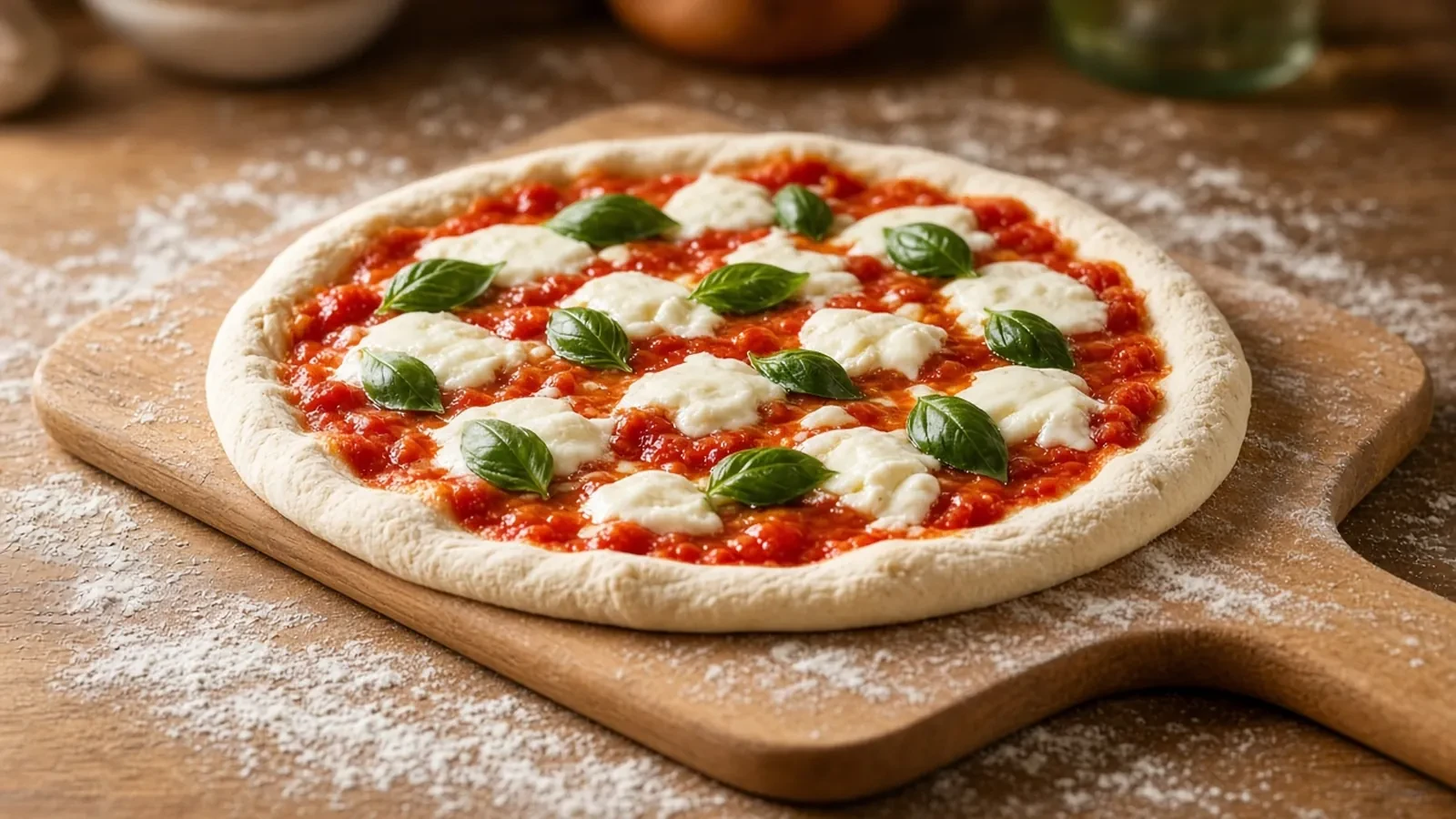
A pizza making party breaks when the baker delivered twelve dough balls and sixteen people are waiting for a turn at one deck oven, or when a maybe arrives after the topping trays are set and expects a ball that was never ordered. Dough, the oven slot each person gets, and the toppings on the line are set before the first stretch. The baker does not mix another tray because a friend decided to come after the order closed. A maybe does not hold a dough ball.
You can create a pizza making party RSVP that fills the dough the baker will make for your group, records who is stretching a pie, and stops when those balls are claimed.
Ask what the oven will actually bake
Call the kitchen before you send the link. Write down how many dough balls are in the order, what each ball weighs, how many pies the oven holds at once, and how long a bake takes. If the baker will send twelve balls at 250 grams, and the deck holds two pies for about eight minutes, you have twelve makers and six oven turns, not an open house. Those numbers are your cap.
An oven slot is the turn when that person's pie goes in. Ask whether a friend who will not stretch dough can eat, and whether that person still counts toward the room. Pick one rule and write it on the page.
Ask the price, whether sauce and cheese are included, and the last time you can cut the count without paying for dough the baker already mixed. If they charge for a no-show after that time, print that rule on the page. Write the style, a thin round about 10 inches, so a deep-dish pan is not assumed.
Set a capacity limit on dough balls, not on everyone who was invited. When the twelfth ball is claimed, the form should say the party is full. If the baker has already trayed the dough, a late friend is not in this bake.
The topping line is the menu, not a buffet
Ask the host which toppings will be on the table and which will not. Put that list on the page in plain words. Each person confirms they will build from that list. Sauce, mozzarella, basil, mushroom, pepper, olive, and one meat, pepperoni, might be the whole line. If you are offering a separate gluten-free crust, that is its own dough line with its own small cap. Keep that count off the wheat tray.
You need a yes to this dough and this topping line before the baker mixes.
Allergens, shared ovens, and a household that shares one ball
Wheat is in the dough. Milk is in the cheese. The oven is shared, so a gluten-free crust still bakes in a kitchen that is not a sealed allergy room. Ask for dietary notes with severity before you lock the baker: who cannot eat wheat, who cannot eat dairy, and who needs the pepperoni kept on a separate board. If you cannot keep those boards separate, say that on the page. Do not promise a safe pie the kitchen cannot make.
Use household RSVPs when a family is coming. A child who will not stretch dough can share a parent's ball. Say that in the question. Two children do not equal two extra balls, and a second adult who wants their own pie is a second ball, not a plus on the same form. Write the rule next to the household question so the dough count stays at twelve.
Collect an arrival time that matches the first oven turn, not a vague evening. The window might be 5:40 to 5:50 for a 6:00 start. Write the clock time and what happens if someone is later than that: their slot moves to the end only if a ball is still waiting, or a standby who is already in the kitchen takes the dough.
The moment the dough list is locked
The meeting point is the kitchen door the host named. Put the host's phone on the page. A screenshot of the invite is not a dough assignment. The host matches names to the twelve balls and to an oven turn: first pair, second pair, and so on.
If you allow a guest, that person needs their own dough line, their own topping answer, and their own dietary note. Track them as a separate yes. One form that hides an extra baker will blow the order. Say that on the page. A partner who stretches their own round is a second ball.
Tie your RSVP deadline to the baker's final count, the morning they mix and will not take the dough back. A common lock is four days before the party. After that, a late yes is a call about a cancellation, not a promise of another ball. A maybe does not hold a dough ball.
Export the list the morning you lock: attending or not, wheat or gluten-free if you offered it, topping line, household size, dietary note, oven turn, and phone. A pizza RSVP is finished when every ball has a named maker, the topping trays match the list, and a late arrival knows whether they are stretching or not.