
Military Ball RSVP Website: What to Collect for a Formal Event
Plan a military ball RSVP website that captures attendance, guest details, meal needs, transport information, and formal-event requirements without overwhelming invitees.
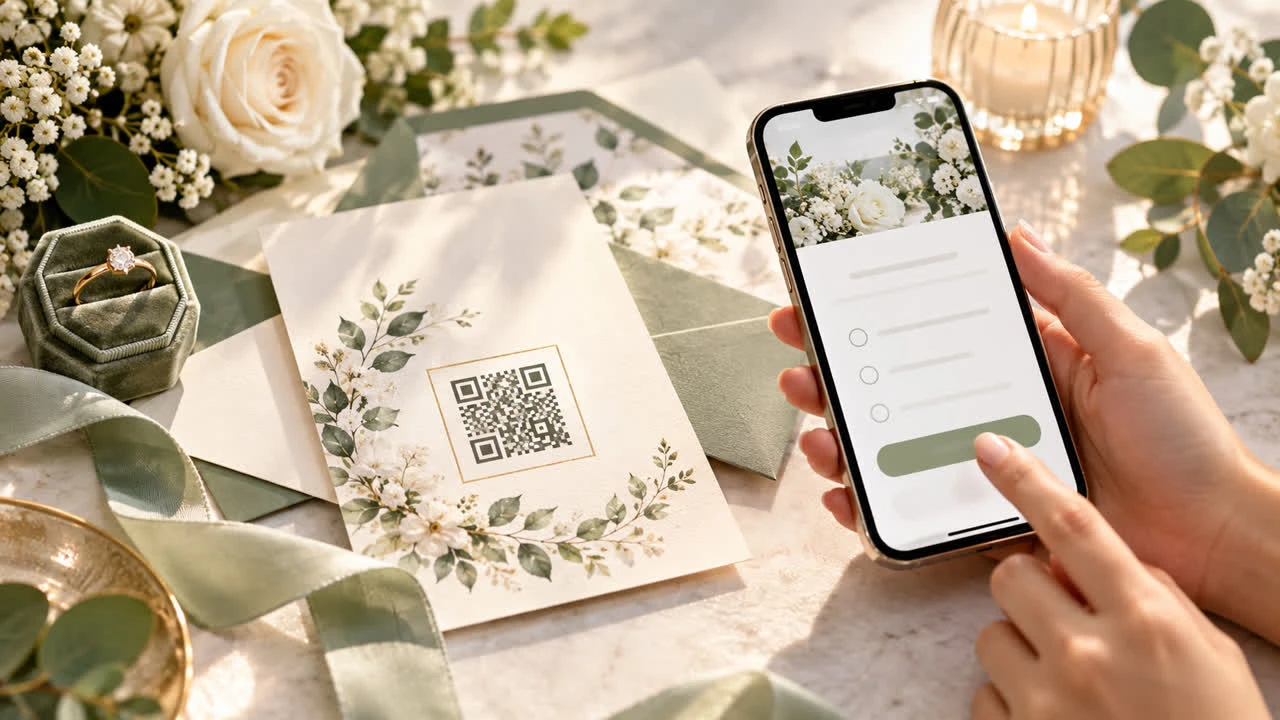
A military ball combines the guest-list needs of a formal dinner with the communication needs of an organized unit event. Hosts may be coordinating a venue contract, meal service, seating, transportation, ceremony timing, and attendance rules at the same time. A clear military ball RSVP website gives invitees one place to respond and gives the planning team a dependable count.
The key is to collect information that supports the event without asking for unnecessary personal or service details. Use the checklist below to build a professional RSVP flow that works for service members, partners, invited guests, and the people managing the dinner.
Start with the official event details
Put the event name, date, venue, arrival time, dinner time, and RSVP deadline at the top of the page. If the evening has a receiving line, ceremony, cocktail hour, or formal program, show the schedule in an easy-to-scan format.
Include the host organization’s approved contact and the venue address. Add parking, gate, rideshare, or shuttle instructions when guests need them. If the location has access restrictions, state the process clearly without publishing sensitive operational information.
A purpose-built proms and formals RSVP website can provide a useful starting point for the structure: event details, a mobile response form, and one guest list for the planning team.
Define who may attend
Formal events often have invitation rules that are less obvious than a casual party’s. Explain whether the invitation is for the named service member, a partner, one guest, or a specific household. If a plus-one must be approved or registered separately, say so before the response form.
Use respectful, direct language. Guests should not have to infer whether children are invited, whether a guest may attend without the service member, or whether the response is limited to the person named on the invitation. Clear boundaries protect the venue capacity and reduce uncomfortable follow-up.
Choose the right RSVP questions
At a minimum, collect the invitee’s name and attendance decision. Then add only questions that affect seating, catering, access, or transportation:
Number attending: Ask for the total only if the invitation allows a partner or guest.
Guest name: Collect it when name cards, access lists, or seating assignments require one.
Meal selection: Use distinct choices supplied by the caterer rather than inventing menu labels.
Dietary restrictions: Provide a short field for allergies and relevant accommodations.
Transportation: Ask whether the guest plans to use an arranged shuttle or bus.
Accessibility: Invite guests to note mobility or seating needs privately.
Do not request rank, unit, duty status, or other sensitive information unless the authorized planning team has a defined reason and a secure process for handling it. An RSVP form is for event logistics, not a substitute for official records.
Make formal dress guidance unmistakable
Dress guidance should appear on the event page and the invitation. Use the official wording approved by the event organizers, then explain any information guests need to interpret it, such as civilian formalwear expectations or guidance for guests unfamiliar with a military ball.
Avoid burying the dress information in a long paragraph. Put it in a labeled section near the date and venue. Guests are more likely to make a confident decision when they can see the formality, meal, and timing before responding.
Set the deadline around vendor deadlines
Work backward from the venue and caterer deadlines. If the ballroom requires a final guarantee ten days before the event, set the guest deadline earlier to leave time for missing responses and corrections. Allow extra time if meal selections, seating, transportation, or access lists must be reviewed.
Use a specific date and time zone. Include the deadline in reminder messages and keep it visible on the RSVP page. If late responses may be accepted only by the planning team, provide a contact rather than leaving the form open indefinitely.
Build a reliable follow-up process
Review responses by invitee and household. Track attending, declined, no response, and needs clarification. A dashboard or structured list helps the team avoid counting the same guest twice when an attendee updates a meal choice or changes a partner’s name.
Send one reminder before the deadline and a targeted follow-up afterward. Keep the message factual and respectful: mention the deadline, include the response link, and explain that an accurate count is needed for the formal dinner.
Use the available SnapRSVP tools to keep the event information and responses together rather than copying names between several unconnected forms.
Share updates without changing the RSVP path
Formal events can have last-minute updates to parking, arrival instructions, shuttle times, or venue entry. Update the event page behind the original link so every guest sees the same information. If a change is important, send a short message that points back to the page.
Keep the RSVP form itself focused. A long announcement can make it harder to find the response controls, especially on a phone. Use headings and bullet points for the schedule and logistics.
Final military ball RSVP checklist
Confirm the official event details and approved wording.
Define invitee, partner, plus-one, and child policies.
Choose meal, allergy, transport, accessibility, and name-card questions.
Publish dress guidance where guests will see it before responding.
Set the deadline before the venue and caterer guarantee date.
Test the mobile form and response list with a sample entry.
Follow up once before and once after the deadline.
Share final totals only with the people who need them.
Check the SnapRSVP pricing page when comparing options for a formal event. A military ball RSVP website should make the official details easy to find, the form easy to complete, and the final count easy for the authorized planning team to use.